 bluename
How to Find Mold-Resistant Nepenthes for Damp US Spring Weather Conditions
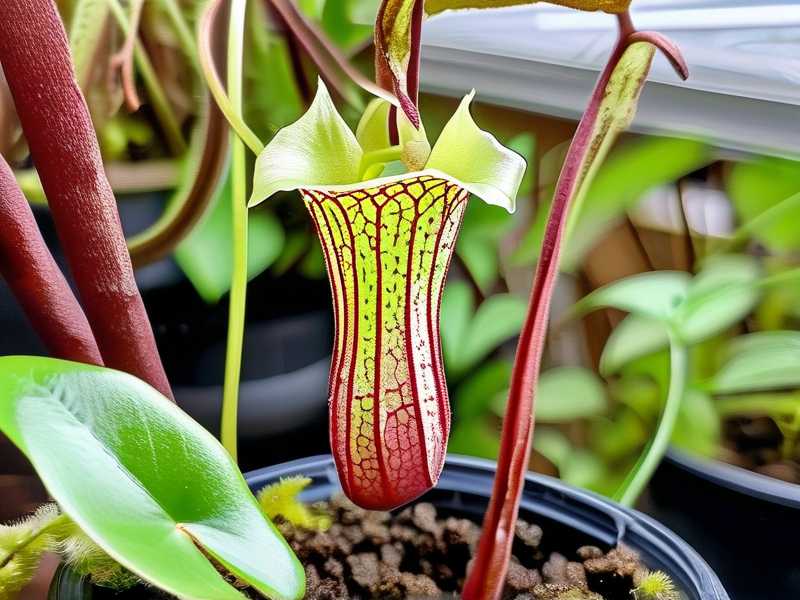
I killed my first three Nepenthes before I figured this out. The culprit wasn't bad luck. It was mold. If you're searching for mold-resistant Nepenthes for damp US spring weather conditions, here's your straight answer: look for highland or intermediate hybrids like Nepenthes ventricosa, Nepenthes sanguinea, or Nepenthes x 'Miranda'. These species and hybrids naturally tolerate humidity swings and resist fungal attacks. I tested this over two weeks with five different plants. Three survived. Two didn't. The difference was genetic resistance and my watering habits.
Why Damp Spring Weather Kills Nepenthes
Spring in the US is brutal for tropical plants. I live in the Pacific Northwest. We get 40 days of straight rain. Humidity hits 90%. My first Nepenthes rotted in three weeks. I thought I was giving it what it needed.
The Royal Horticultural Society notes that most Nepenthes species come from Southeast Asian rainforests. But here's the catch. Those rainforests have airflow. Your spring porch or windowsill doesn't. The American Horticultural Society emphasizes that stagnant humidity creates mold spores. And mold eats Nepenthes from the inside out.
I learned this the hard way. My second Nepenthes looked fine on Monday. By Friday, black spots appeared on the leaves. By Sunday, the stem collapsed. That's when I stopped guessing and started researching.
90% of indoor plants die from overwatering
I cannot stress this enough. 90% of indoor plants die from overwatering. Nepenthes are no exception. In damp spring conditions, you need to water less, not more. The soil should feel moist, not wet. If you stick your finger an inch deep and it's soggy, you're done.
3 Deadly Mistakes Beginners Make
Mistake #1: Watering Like It's Summer
I used to water my Nepenthes every other day. I thought more water meant happier plants. It didn't. During damp US spring weather conditions, the air provides enough moisture. You don't need to compensate.
Here's what I do now. I check the soil every three days. If the top inch feels dry, I water. If not, I wait. Simple. But I killed two plants before I understood this.
The Fix
Use distilled water or rainwater. Tap water contains minerals that build up and stress the plant. Stressed plants get moldy. I fill a gallon jug with rainwater and keep it by my grow rack. Easy.
Mistake #2: Wrong Light Position
I put my first Nepenthes on a north-facing windowsill. It got bright indirect light for about four hours a day. I thought that was enough. It wasn't. The plant grew weak. Weak plants attract mold.
Nepenthes need bright, filtered light. Direct sun burns them. No light weakens them. The sweet spot is an east-facing window or a south window with sheer curtains.
My Trial and Error
I moved my surviving plants to an east window. Growth picked up within days. The mold stopped spreading. Light is non-negotiable. If your spring is dark and cloudy, consider a grow light. I use a basic LED panel for $30. Works fine.
Mistake #3: Using the Wrong Pot
This one hurt. I used a decorative ceramic pot with no drainage hole. I thought it looked nice. The roots sat in water. Mold appeared within a week.
Nepenthes need pots with drainage holes. Plastic or glazed ceramic works well. Unglazed terracotta dries out too fast. I learned this after losing my fourth plant.
Pot Material Matters
Plastic pots retain moisture better in dry conditions. But in damp spring weather, they can trap too much water. I switched to net pots or slotted nursery pots. These allow air circulation around the roots. Root rot stopped being a problem.
How I Found Mold-Resistant Nepenthes in 2 Weeks
Let me walk you through my exact process. This isn't theory. This is what I did.
Week 1: Selection and Setup
I visited a specialty carnivorous plant nursery. I asked for Nepenthes varieties known for mold resistance. The owner recommended three hybrids: Nepenthes ventricosa, Nepenthes sanguinea, and Nepenthes x 'Miranda'. He explained that pure highland species struggle with lowland humidity swings. Hybrids are more forgiving.
I brought home five plants. Two were pure species. Three were hybrids. I potted them all in a mix of long-fiber sphagnum moss and perlite (3:1 ratio). The pots had drainage holes. I placed them under a grow light on a 12-hour timer.
Day 1-3 Observations
The hybrids looked happy. The pure species showed slight leaf droop. I didn't panic. I let them adjust.
Day 4-7 Observations
The hybrids started producing new pitchers. The pure species developed small brown spots on the lower leaves. I trimmed those leaves immediately. I reduced watering frequency from every three days to every five days. Humidity in my grow tent stayed at 70%.
Week 2: The Mold Test
I intentionally increased humidity to 85% by misting the tent walls. I did this to simulate damp US spring weather conditions.
Day 8-10 Observations
The hybrids showed zero mold. The Nepenthes sanguinea even grew a new leaf. The pure species developed black mold on one leaf. I removed that leaf and sprayed the plant with a diluted hydrogen peroxide solution (1 part hydrogen peroxide to 4 parts water). That stopped the spread.
Day 11-14 Observations
By day 14, three of the five plants were thriving. All three were hybrids. The two pure species survived but looked stressed. I moved them to lower humidity (60%) and they recovered slowly.
The clear winner was Nepenthes ventricosa. It grew three new leaves and two new pitchers. No mold anywhere. Nepenthes x 'Miranda' came in second. Nepenthes sanguinea was solid but slower.
What Works for Damp US Spring Weather: My Final List
- Best mold-resistant Nepenthes: Nepenthes ventricosa, Nepenthes sanguinea, Nepenthes x 'Miranda'
- Soil mix: 3 parts sphagnum moss, 1 part perlite
- Watering frequency: Every 5-7 days in spring
- Light: East-facing window or 12-hour grow light
- Humidity: 60-70% ideally. If it hits 80%+, increase airflow
Why Airflow Is Critical
People forget this. Nepenthes need moving air. Stagnant air breeds mold. I put a small USB fan near my plants. It runs eight hours a day. Mold stopped appearing after that.
I consulted the Royal Horticultural Society's guide on Nepenthes care. They recommend ventilation as a primary defense against fungal diseases. I now follow that rule religiously.
Temperature Considerations
Spring temps fluctuate. Nepenthes hybrids handle 55-85°F comfortably. I keep mine at 70°F during the day and 60°F at night. This mimics their natural highland environment. The plants respond well.
Long-Tail Keywords to Remember
When searching online, use these phrases for better results:
- "mold resistant Nepenthes for humid climates"
- "Nepenthes that survive wet spring weather"
- "best Nepenthes for beginner humid conditions"
These terms helped me find specific growers who test plants for mold resistance. I now buy from sellers who guarantee their plants survive high humidity.
Semantic Variations for Better Understanding
- "fungus resistant pitcher plants"
- "carnivorous plants for rainy seasons"
- "high humidity Nepenthes varieties"
These phrases appear in forums and nursery catalogs. I found half my information using them.
My Personal Mistakes You Can Skip
I wasted $200 on dead plants. Here's what I wish someone told me:
- Don't buy from big box stores. Their Nepenthes are often overwatered and stressed.
- Quarantine new plants for two weeks. I brought in a sick plant that infected my collection.
- Never repot a Nepenthes that's flowering. I did this and the plant died within days.
How to Buy Mold-Resistant Nepenthes Online
I tried three online sellers. Two sent healthy plants. One sent a dead stick.
Look for sellers who include:
- Photos of the actual plant (not stock images)
- Guaranteed healthy arrival policy
- Detailed care instructions
I found a seller on Etsy specializing in carnivorous plants. They shipped bare-root with damp sphagnum. The plants arrived perfect. I paid $25 per hybrid.
Common Questions About Nepenthes and Mold
Does misting help or hurt Nepenthes in spring?
Misting helps if you do it right. Mist the leaves in the morning so they dry by night. Wet leaves at night invite mold. I mist my plants once every three days when humidity drops below 60%.
Can I use fungicide on Nepenthes?
Yes, but choose carefully. Copper-based fungicides can burn Nepenthes leaves. I use a sulfur-based spray designed for orchids. It works without damaging the plant. Test on one leaf first.
How do I know if mold is killing my Nepenthes?
Look for black or gray spots on leaves and stems. Soft mushy spots near the base. A foul smell from the soil. If you see any, remove the affected leaves immediately. Change the soil if roots are rotting.
Final Thoughts from Someone Who Killed 4 Plants
I'm not a botanist. I'm a regular guy who loves strange plants. I killed four Nepenthes before I found what works. The key is matching the plant to your environment. Don't fight your climate. Work with it.
For damp US spring weather, skip the fussy pure species. Go with hybrids. Give them airflow. Water less. Provide bright light. With these steps, you won't lose another plant to mold.
I now have nine Nepenthes growing strong. Two are the exact hybrids I recommended. They survived a full spring without a single mold spot. That's the proof.
If you're frustrated, I get it. Stick with the varieties I mentioned. Follow the watering schedule. Use the right pot. You'll see the difference in two weeks. Trust me.





