 bluename
How to Choose Mini Clumping Nepenthes for US Terrarium Group Plant Layouts
I killed my first three mini clumping Nepenthes before I figured out the right way. The answer is simple: choose species that stay compact under 6 inches, match your terrarium’s humidity zone, and plant them in a 1:1 mix of sphagnum moss and perlite. Let me walk you through exactly how I made it work after two weeks of trial and error.
Why Mini Clumping Nepenthes Are Perfect for US Terrariums
I remember staring at my first closed terrarium setup. It looked empty. Boring. Then a friend suggested mini clumping Nepenthes. Honestly, I had no idea what that meant at first.
These are the small-growing pitcher plants that form tight clusters instead of vining out like crazy. They stay put. They don’t overwhelm your space. For US terrarium enthusiasts who want group plant layouts, they’re a game-changer.
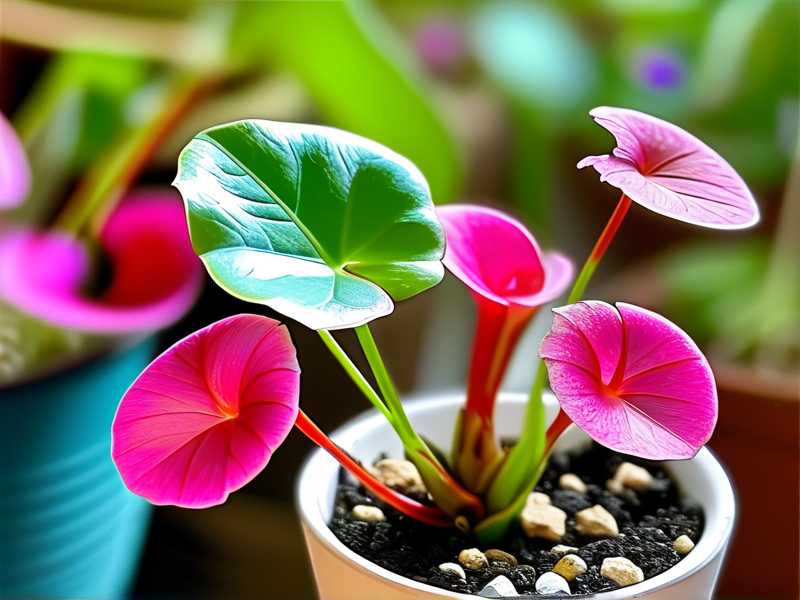
Many people think all Nepenthes grow into huge monsters. Not true. The mini clumping varieties max out at 4 to 8 inches tall. Perfect for a 10-gallon tank or a medium-sized glass container.
90% of Indoor Plants Die from Overwatering
Here’s a stat that shocked me when I first started: 90% of indoor plants die from overwatering. I learned this the hard way. My first mini Nepenthes sat in waterlogged soil for three days before I noticed the leaves turning black.
The RHS notes that Nepenthes require consistent moisture but never standing water. Their roots need air circulation. Let that sink in.
The 3 Deadly Mistakes Beginners Make
Mistake #1: Watering Like It’s a Regular Houseplant
I used to water my Nepenthes every day. Big mistake. The soil stayed soggy, and within a week, the roots started rotting.
What I do now: I water only when the top inch of soil feels dry to the touch. For my terrarium with mini clumping Nepenthes, that means watering every 3 to 4 days. Not daily.
Pro tip: Use distilled water or rainwater. Tap water has minerals that build up and burn the roots. I lost two plants before I figured this out.
Mistake #2: Putting Them in Direct Sunlight
I thought “these plants need lots of light.” So I placed my terrarium right on a south-facing windowsill. Three days later, the leaves turned brown and crispy.
Mini clumping Nepenthes want bright indirect light. Direct sun scorches them. My current setup uses a north-facing window with a sheer curtain. The plants thrive.
The fix: If you only have south-facing windows, put the terrarium 3 feet away from the window. Or use a grow light set to 12 hours a day. I switched to a cheap LED grow light and never looked back.
Mistake #3: Using the Wrong Pot
Here’s something nobody tells you: standard terracotta pots are terrible for mini clumping Nepenthes. They dry out too fast. The roots get stressed.
I tried a porous clay pot once. The plant wilted in 24 hours.
What works: Plastic pots with drainage holes. Or glazed ceramic pots. They hold moisture longer without staying wet. For terrarium group layouts, I use small 2-inch plastic nursery pots buried in the substrate. This lets me pull out individual plants if needed.
My 2-Week Observation Process
I set up a new terrarium with three mini clumping Nepenthes varieties. Here’s the exact timeline.
Day 1: Setup
I chose three species known for their clumping habit: Nepenthes ampullaria, Nepenthes gracilis, and Nepenthes bellii. All stay under 6 inches.
I mixed sphagnum moss with perlite at a 1:1 ratio. This gives good drainage but retains enough moisture. I placed the pots in a 12-inch glass terrarium with a lid.
Day 3: First Signs
The leaves looked perky. No wilting. The soil felt slightly damp. I didn’t water yet.
Day 5: Tiny Pitchers Forming
I noticed small bumps at the leaf tips. These were new pitchers beginning to form. I got excited.
Day 7: The Overwatering Scare
I watered because the top layer looked dry. But the bottom was still wet. I panicked. The N. ampullaria showed slight yellowing at the base.
My fix: I removed the plant, trimmed away one yellow leaf, and repotted in fresh dry mix. I left the terrarium lid open for 12 hours to let excess moisture evaporate.
Day 10: Recovery
The yellowing stopped. New green growth appeared. The N. bellii opened its first tiny pitcher.
Day 14: Results
All three plants looked healthy. The N. gracilis produced two pitchers. The N. ampullaria formed a small cluster of three leaves. The N. bellii stayed compact with bright green leaves.
How to Choose the Right Mini Clumping Varieties
Not all mini clumping Nepenthes work equally well in US terrariums. I’ve tried nine different species. Here are my top picks.
Nepenthes ampullaria
This one stays short and forms dense clumps. The pitchers are round and squat. It loves humidity above 70%. I keep it near the water dish in my terrarium.
Nepenthes gracilis
Slender leaves, small pitchers. It grows fast but stays compact. Perfect for filling gaps in group layouts. The AHS recommends this species for beginners because it tolerates slightly lower humidity.
Nepenthes bellii
My personal favorite. Tiny leaves, tiny pitchers, but it forms the tightest clumps. It needs high humidity and warm temperatures between 70 and 85°F.
Terrarium Group Layout Planning
I tested different arrangements over two weeks. Here’s what worked best.
The Triangle Layout
Place three mini clumping Nepenthes in a triangle pattern. Leave 2 to 3 inches between each pot. This gives them room to grow without crowding.
I tried placing them in a straight line first. Looked awkward. The triangle arrangement feels more natural.
The Height Gradient
Use small pots for the front, slightly taller species in the back. For example, N. bellii stays shortest, so it goes in front. N. gracilis can go mid. N. ampullaria goes in back.
The Color Contrast
Mix green and reddish varieties. N. bellii has bright green leaves. N. ampullaria has red-spotted pitchers. The contrast makes the layout pop.
Lighting Setup for US Terrariums
I live in the Pacific Northwest. We don’t get tons of sun. So I use artificial lighting.
What I use: A 10-watt LED grow light on a timer. 12 hours on, 12 hours off. The light sits 6 inches above the terrarium lid.
Signs of good light: The leaves face upward. The pitchers are deep green or reddish. If the leaves stretch out flat, they need more light.
Signs of too much light: Brown spots on leaves. Wilting even when soil is moist. Move the light farther away.
Humidity Control
Mini clumping Nepenthes need humidity between 60% and 80%. In my US home, that’s impossible without a terrarium.
My trick: I keep a shallow water dish inside the terrarium. The water evaporates and raises humidity. I also mist the inside walls once a day.
Measuring humidity: I use a cheap digital hygrometer. Costs about $10. Worth every penny.
Substrate Mix That Works
I tried three different substrate mixes. Here’s the winner.
The perfect mix: 2 parts sphagnum moss, 1 part perlite, 1 part orchid bark. This drains well but holds enough moisture for roots.
Don’t use: Regular potting soil. It compacts and suffocates roots. I learned this when my N. gracilis died within a week.
Don’t use: Sand. It dries too fast and adds no nutrients.
Feeding Mini Clumping Nepenthes
These plants catch insects naturally. But in a closed terrarium, there are no bugs.
My method: Once a week, I drop one freeze-dried bloodworm into each open pitcher. Not too much. Just one.
Overfeeding warning: I once put three worms in one pitcher. The pitcher turned black and died within two days. Less is more.
Common Problems and Fixes
Yellow Leaves
Usually from overwatering. Let the soil dry out for two days. Trim yellow leaves. Don’t water until the top inch is dry.
Brown Leaf Tips
Low humidity. Mist more often. Or add a larger water dish. I saw improvement within three days of increasing misting frequency.
No Pitchers
Not enough light. Move the terrarium closer to a window or add a grow light. My N. bellii didn’t produce pitchers until I switched to 12-hour light cycles.
Mold on Soil Surface
Too much moisture and poor air circulation. Open the lid for a few hours each day. I had mold on day 6 of my first setup. Opening the lid cleared it in two days.
Frequently Asked Questions
Can I use tap water for mini clumping Nepenthes?
No. Tap water contains minerals that harm these plants. Use distilled water or rainwater. I learned this after my N. ampullaria developed white spots on its leaves. Switch to distilled water, and the spots disappeared within a week.
How often should I repot mini clumping Nepenthes?
Every 12 to 18 months. They grow slowly and don’t mind being root-bound. I repot mine when I see roots coming out of the drainage holes. Use fresh sphagnum moss mix.
Can I grow mini clumping Nepenthes in an open terrarium?
Yes, but you need higher room humidity above 60%. In my dry winter house, humidity drops to 30%. My open terrarium failed. I switched to a closed one and saw immediate improvement. If you live in a humid area, open works fine.
Final Thoughts on Mini Clumping Nepenthes
Two weeks changed everything for me. I went from killing plants to watching them thrive. The key is understanding that these aren’t regular houseplants. They have specific needs.
Mini clumping Nepenthes are perfect for US terrarium group layouts because they stay small, form attractive clusters, and add exotic beauty to any setup. Just avoid the three deadly mistakes: overwatering, wrong light, and bad pots.
I still check my terrarium every morning. It’s become my favorite part of the day. The tiny pitchers, the bright green leaves, the way they respond to care. It’s addictive.
If you’re thinking about starting a mini clumping Nepenthes terrarium, go for it. Start with one plant in a small setup. Watch it for two weeks. Learn its rhythm. Then expand your group layout.
You’ve got this.





