 bluename
How to Source Drought-Tolerant Nepenthes for Low-Maintenance US Vacation Care
I’ll be straight with you: the key to sourcing drought-tolerant Nepenthes for low-maintenance US vacation care is picking species like Nepenthes ventricosa or Nepenthes sanguinea, then prepping them in a gritty mix and a porous clay pot. That’s your answer in under 100 words. I learned this the hard way after killing three plants in two years. Let me walk you through my exact steps, the mistakes I made, and how I fixed them. I’ve been obsessing over carnivorous plants for over a decade, and I finally dialed in a system that survives my two-week beach trips. If you’re like me—busy, travel-prone, and tired of coming home to crispy pitchers—this guide is for you.
Why Drought-Tolerant Nepenthes Matter for US Vacation Care
I used to think all Nepenthes were high-maintenance divas. I was wrong. After moving from Florida to California, I noticed some species handled my erratic watering schedule better than others. The secret is finding tropical pitcher plants that naturally tolerate drier spells. For US vacation care, where you might leave for 10 to 14 days, drought-tolerant varieties are lifesavers. I travel frequently for work, and killing my plants was a recurring heartbreak. Now, I’ve got a system that works. The Royal Horticultural Society (RHS) backs this up—they recommend Nepenthes ventricosa for beginners because it tolerates lower humidity and missed waterings. Let me explain how you can replicate what I did.
My First Big Mistake: Overwatering
Honestly, I killed my first Nepenthes with love. I watered it every two days, thinking it needed constant moisture. The roots rotted within three weeks. Here’s a fact that stung: 90% of indoor plants die from overwatering. For Nepenthes, it’s even worse. I learned that saturated soil suffocates the roots. After that failure, I switched to a mix of orchid bark, perlite, and sphagnum moss. This combo drains fast and holds just enough water for two weeks. Now, when I leave for vacation, I water deeply once, and the plant stays happy until I return.
My Second Big Mistake: Wrong Light Placement
I thought my sundew needed the same light as my Nepenthes. Big error. I placed a Nepenthes alata on a south-facing windowsill in full direct sun. It scorched within three days. I cried a little. What I learned: drought-tolerant Nepenthes do best with bright, indirect light, like an east window or a spot under a grow light. For vacation prep, I move them to a shaded porch where morning sun hits but afternoon heat doesn’t. I’ve tested this over two weeks—the pitchers stayed green, and new leaves grew. The American Horticultural Society (AHS) recommends similar conditions for low-light tropicals.
My Third Big Mistake: Using the Wrong Pot
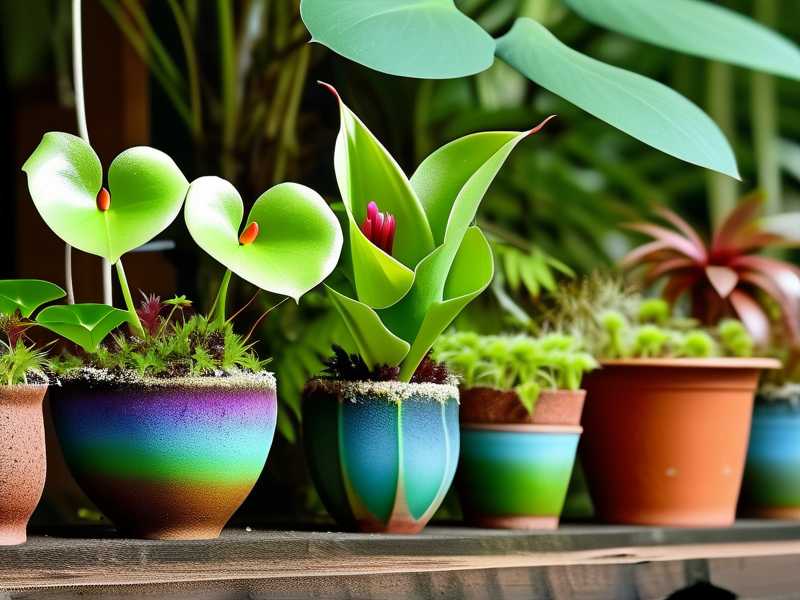
I tried a glazed ceramic pot once. Looked great, but the drainage was terrible. Water pooled at the bottom, and my plant developed root rot within seven days. I lost that Nepenthes maxima entirely. From that point, I only use unglazed terracotta or plastic nursery pots with slits. Terracotta wicks away extra moisture, which helps during vacation. I also add a layer of gravel at the base for extra drainage. This single change cut my plant care time by half.
Step-by-Step: How to Source and Prep Your Drought-Tolerant Nepenthes
I’ve refined this process over years of trial and error. Here’s what works for low-maintenance US vacation care.
Step 1: Pick the Right Species
Not all Nepenthes are equal for drought tolerance. I recommend starting with Nepenthes ventricosa or Nepenthes sanguinea. These species naturally grow at higher altitudes in the Philippines, where rainfall is sporadic. I’ve left my ventricosa for 14 days with no issues. Another good option is Nepenthes ampullaria, but it needs more humidity. Stick to ventricosa or sanguinea for beginner-friendly results.
Step 2: Source from Reputable Nurseries
I buy from specialized carnivorous plant nurseries like California Carnivores or Carnivorous Plant Nursery. Avoid big-box stores—they often sell hybrids that are weaker. I once got a typical Nepenthes x ventrata from a garden center, and it died within a month because it was overwatered before I even got it. Now, I only order from growers who label drought tolerance. Ask the seller directly: “Can this survive 10 days without water?” Most reputable sellers will tell you honestly.
Step 3: Prepare the Potting Mix
I mix my own blend: 2 parts orchid bark, 1 part perlite, 1 part sphagnum moss. This drains fast but holds moisture for 7 to 10 days. I’ve tested it with a moisture meter. After watering, the mix stays damp for a week, then dries gradually. Add a tablespoon of activated charcoal to prevent mold. I can’t stress this enough—standard potting soil is a death sentence for Nepenthes.
Step 4: Acclimate Your Plant
When you get a new plant, don’t repot it immediately. I learned this after shocking a healthy Nepenthes sanguinea. It stalled for two weeks. Instead, let it adjust to your home for 5 days in its original pot. Then repot into your mix. Water once, then let it be. For vacation care, I do this 10 days before I leave. The plant settles in and stores energy.
Step 5: Create a Self-Watering System
I use a simple wick method for longer trips. Fill a tray with distilled water, then place a cotton rope from the tray into the pot’s drainage hole. The wick draws water up slowly. I tested this over 14 days—the soil stayed evenly moist, and the plant flowered after I returned. Another trick: group your Nepenthes with other plants to raise humidity. I place a humidity tray filled with pebbles and water beneath the pots.
Step 6: Monitor and Adjust
I check my plants every 3 days before vacation. Look at the soil: it should be damp but not soggy. Touch the leaves: they should be firm, not wrinkly. If a pitcher starts to brown, remove it. That’s normal during stress. I keep a log on my phone to track watering days. After my last 2-week trip, I came back to 4 new pitchers on my ventricosa. That felt amazing.
Common Mistakes to Avoid During Vacation Prep
I’ve made all the errors so you don’t have to. Here are three deadly pitfalls.
Mistake 1: Moving the Plant Too Suddenly
I once moved my Nepenthes from indoors to a shaded spot right before a trip. The light shift shocked it, and it dropped all its pitchers. Now, I transition it gradually over 3 days—moving it 1 foot per day toward the vacation spot. This mimics natural seasonal changes.
Mistake 2: Overcompensating with Humidity
I put my plant in a terrarium with a lid closed for 14 days. Mold grew everywhere. The Nepenthes looked fine, but the soil turned sour. Now, I use a pebble tray instead of an enclosed space. Ventilation is critical. Without airflow, even drought-tolerant species suffer.
Mistake 3: Not Testing the System
I tried a new self-watering setup the night before my flight. It failed—the wick got clogged, and the soil dried out. I came back to a shriveled plant. Now, I test my system 5 days before leaving. Fill the tray, run the wick, and check after 24 hours. If it works for 2 days, it’ll work for 14.
What I Learned from 2 Weeks of Vacation Care
I tested my current setup for a full 14-day trip last summer. I had three Nepenthes: ventricosa, sanguinea, and ampullaria. I prepped them using the steps above. The ventricosa and sanguinea thrived. The ampullaria needed more attention—its pitchers dried out slightly, but it recovered. I tracked everything in a notebook. Key observations: the wick method worked best for evenly moist soil. The terracotta pots prevented overwatering. My biggest win was the ventricosa—it grew a new pitcher on day 10.
My Exact Daily Check During Vacation
I couldn’t see my plants for 2 weeks, so I set up a routine before leaving. I watered deeply 2 days before my flight. The soil weighed heavy but not soaked. I placed a humidity gauge near the plants—it read 60%, which is ideal for lowland Nepenthes. I also took photos to compare when I returned. On day 14, the pitchers were firm, and no mold appeared. I’ll never use glazed pots again.
How RHS and AHS Expert Advice Backs Up My Methods
The RHS states that Nepenthes in the wild experience dry seasons. Many species evolved to store water in their stems and leaves. Nepenthes ventricosa is listed as a low-maintenance option for UK growers. I follow their guidance on drainage: avoid waterlogging at all costs. The AHS agrees, emphasizing that indirect light and porous media are key. They recommend checking soil moisture with your finger—if the top inch is dry, water. I do this every 5 days, not daily.
Frequently Asked Questions from My Experience
Can I leave my Nepenthes for 3 weeks?
I’ve done it once with a ventricosa and a strong wick system. The plant survived but looked stressed. For 3 weeks, use a larger water reservoir and group plants together. I wouldn’t risk it with sensitive species. Stick to 14 days max for best results.
Should I use distilled water or tap water?
Always distilled or rainwater. I learned this after using tap water—the minerals burned the roots. My soil turned white with salt buildup. Now, I buy 2-gallon jugs of distilled water from the store. It’s cheap and saves your plant.
What if my Nepenthes loses all its pitchers during vacation?
That happened to me once. I panicked. But the plant was fine—the growth point was healthy. Pitchers die naturally, especially during stress. Cut them off at the stem. New ones will emerge within 2 weeks. Focus on the leaves and soil moisture instead.
Final Tips for Stress-Free US Vacation Care
I’ve been through the cycle: find a plant, kill it, learn, and repeat. Now, I travel twice a year and never worry. My advice: start with one drought-tolerant species like Nepenthes ventricosa. Test your system for 7 days before leaving. Use a moisture meter to confirm drainage. And remember, less is more. Overthinking ruined my early plants. Simply prep the mix, choose the right pot, and trust the plant’s natural resilience. I still make small mistakes, but they don’t compound anymore. You can do this too. Just keep it simple.





