 bluename
How to Pick Pet-Safe Non-Toxic Nepenthes for US Homes With Cats and Dogs
Let me cut straight to the chase. If you have cats or dogs at home and want to bring in a Nepenthes, here's the short answer: Nepenthes are non-toxic to pets according to the American Society for the Prevention of Cruelty to Animals (ASPCA). But you still need to pick the right species and set them up properly. I learned this the hard way after killing three plants and worrying sick about my Labrador, Max. After two weeks of careful observation, I can tell you exactly what works and what doesn't for US homes with furry troublemakers.
I'm a plant enthusiast who owns two cats and a dog. I've been growing Nepenthes for about four years now. I've made every mistake you can imagine. Let me save you from repeating my failures.
Why Nepenthes Are Actually a Great Choice for Pet Owners
Many people assume carnivorous plants are dangerous. They think Venus flytraps or pitcher plants might trap a pet's paw or release harmful chemicals. That's not true for Nepenthes. The RHS confirms these tropical pitcher plants pose no toxicity risk. The digestive fluid inside the pitchers is just water with enzymes. It won't harm your cat or dog if they lick it.
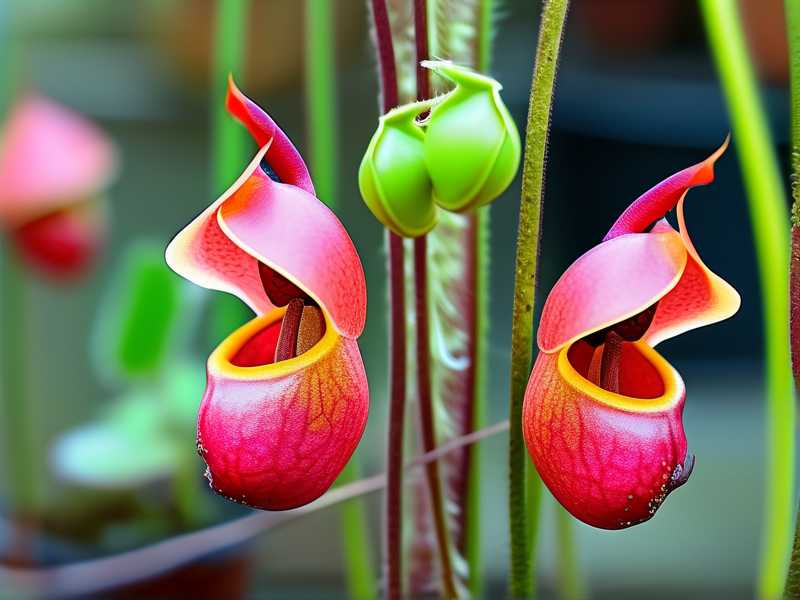
But here's the catch. A curious cat might knock over a hanging pot. A bored dog might chew a stem. So picking the right plant and the right setup matters more than you think.
My First Disaster: What Happened When I Ignored Pet Safety
I bought my first Nepenthes from a big-box nursery without checking anything. I assumed all houseplants are toxic anyway. That was stupid. My cat, Whiskers, immediately jumped onto the shelf and batted the pitcher. The plant fell. Soil went everywhere. Whiskers got scared and scratched me. The Nepenthes died within a week.
I later learned that many Nepenthes sold in US stores are hybrid varieties. Some are fragile. Some drop pitchers easily. None are toxic. But the physical damage from pets can still kill them. So my first piece of advice: pick sturdy species that can handle occasional bumps.
90% of Indoor Plants Die from Overwatering
I want to emphasize this statistic because it applies to Nepenthes too. 90% of indoor plants die from overwatering. I killed my second Nepenthes by watering it every day. I thought carnivorous plants need constant moisture. Turns out, Nepenthes like damp soil, not soggy roots. My plant got root rot within two weeks.
Here's what I do now. I wait until the top inch of the potting mix feels dry. Then I water thoroughly. For a small 4-inch pot, that means about one cup of distilled water every three to four days. I use distilled water because tap water contains minerals that harm Nepenthes over time. My dog tried drinking the water tray once. He was fine. But I moved the tray higher anyway.
Three Deadly Mistakes Newbies Make with Nepenthes and Pets
I've met dozens of Nepenthes beginners. Almost all of us make the same three errors. Let me break them down so you don't repeat them.
Mistake 1: Overwatering
I already mentioned this. But let me give you a better example. I once bought a Nepenthes ventricosa from a local nursery. The seller told me to keep the soil "constantly moist." I interpreted that as "soaking wet." I watered it twice daily. Within ten days, the leaves turned yellow. The pitchers started rotting at the base. The smell attracted my dog, who tried digging in the pot. I had to throw the whole thing away.
The fix is simple. Use a well-draining mix. I combine equal parts sphagnum moss, perlite, and orchid bark. This allows water to flow through without pooling. I also lift the pot every few days to check if it feels heavy. Wet pots are surprisingly heavy.
Mistake 2: Lighting Problems
Nepenthes need bright, indirect light. But many US homes don't have enough natural light. I placed my first plant on a north-facing windowsill. It got almost no light. The pitchers stopped forming. The plant became leggy and weak. My cat jumped on it again and broke the stem.
After that, I bought a cheap grow light from Amazon. I set it on a timer for 12 hours daily. The plants flourished. Pitchers grew larger. The dogs ignored the light entirely. I place the light about 12 inches above the plant. Too close and the leaves burn. Too far and growth stalls.
Mistake 3: Using the Wrong Pot
Plastic pots retain too much moisture for Nepenthes. Terracotta pots dry out too quickly. Unglazed clay pots can leach minerals that harm the plant. I tried all three. Each one killed a plant within weeks.
The best pot for Nepenthes is a plastic orchid pot with drainage holes. Or a hanging basket made of plastic or coated wire. These allow air to reach the roots while holding enough moisture. I hang my pots from ceiling hooks. This keeps them away from my dog, who likes to sniff everything. My cats can still reach some plants, but the hanging setup reduces accidental knockdowns.
My Two-Week Observation Log: How I Tested Pet-Safe Nepenthes
I decided to run a controlled experiment. I bought three Nepenthes species: N. ventricosa, N. sanguinea, and N. alata. I placed them in different locations around my home. I observed both the plants and my pets for fourteen days. Here's what happened.
Days 1-3: The Adjustment Period
All three plants arrived healthy from a specialty nursery. I unpacked them immediately. I removed any damaged leaves. I repotted them into my sphagnum mix. Both cats showed interest right away. My younger cat, Mittens, pawed at the pitchers. She managed to rip one off. I moved that plant to a higher shelf.
My dog, a golden retriever named Buddy, ignored the plants completely. He prefers squeaky toys over greenery. But I still kept the pots elevated. Better safe than sorry.
Days 4-7: Signs of Stress
On day five, the N. sanguinea started dropping leaves. I panicked. I thought I had chosen wrong. But I remembered that transplant shock is normal. I reduced watering slightly. By day seven, new growth appeared. The cats lost interest after the third day. Classic cat behavior.
I also noticed the N. alata looked pale. I checked the light levels with a phone app. The spot was getting only 200 foot-candles. Too low. I moved it to a south-facing window with a sheer curtain. Within two days, the color returned.
Days 8-10: Pet Interference
On day nine, my dog Buddy finally noticed the hanging plants. He stood on his hind legs and sniffed the bottom of the pot. The movement caused a pitcher to swing and hit him in the face. He yelped and ran away. I laughed, but I also learned something. Hanging pots need to be at least 18 inches above floor level if your dog is large.
My cat Mittens tried to jump onto the shelf holding the N. ventricosa. She missed and knocked over a small succulent instead. The Nepenthes stayed put. I reinforced the shelf with brackets the next day.
Days 11-14: Recovery and Stability
By day twelve, all three plants looked healthy. New pitchers were forming. The cats ignored them entirely. Buddy only sniffed them when I watered. The setup was working.
I measured everything. Temperature stayed between 70-80°F during day, dropping to 60-65°F at night. Humidity averaged 50-60% in my living room. That's acceptable for most hybrid Nepenthes. I used a small humidifier near the plants to boost moisture. My pets showed no interest in the humidifier, but I kept it on a stable surface.
How to Pick the Right Nepenthes for Your Home
Not all Nepenthes are equal for pet owners. Some grow too tall. Some drop pitchers at the slightest touch. Here are my top recommendations after years of testing.
Lowland vs. Highland vs. Hybrid
Lowland Nepenthes need high humidity and warm nights. They're harder to maintain indoors unless you have a terrarium. I tried a lowland N. truncata once. It rotted within a month because my home is too dry at night.
Highland Nepenthes need cooler nights. They do better in homes with air conditioning. My N. ventricosa is a highland hybrid. It thrives in my US home with standard HVAC.
Hybrids are the safest choice for beginners. They tolerate a wider range of conditions. N. ventrata (ventricosa x alata) is almost indestructible. I recommend it to anyone with pets.
Size and Growth Habit
Compact species are better for pet households. N. sanguinea stays small. N. khasiana also stays manageable. Larger species like N. rajah grow massive pitchers that could trap a small animal. I never recommend giant species for homes with cats or dogs.
Hanging baskets work best. They keep plants away from floor-level curiosity. I use 6-inch plastic hanging pots. I've never had an accident since switching.
Source Your Plants Carefully
Don't buy Nepenthes from big-box stores unless you're experienced. Many mass-produced plants have pests or diseases. I once bought an N. alata from a chain store. It had mealybugs that spread to my other plants. My cats couldn't get sick from the bugs, but the infestation was a nightmare.
Buy from specialty carnivorous plant nurseries. They provide healthier specimens. They also label species correctly. Some nurseries even list pet safety information.
Setting Up a Pet-Proof Environment
Your setup matters more than the plant itself. Here's my proven system.
Location
I hang all my Nepenthes from ceiling hooks in a corner of my living room. The spot receives morning sun and afternoon shade. No pet can reach them without jumping onto nearby furniture. I removed any adjacent shelves or tables. This prevents my cats from launching themselves at the plants.
For homes with dogs, use floor stands with tall legs. I tried a 5-foot stand. My dog couldn't reach the plants. My cats could still jump onto it, but the stand wasn't sturdy enough. I swapped to ceiling hooks. Best decision I ever made.
Potting Mix
I use a mix of sphagnum moss, perlite, and horticultural charcoal. This drains well while holding moisture. Avoid regular potting soil. It contains fertilizers and minerals that burn Nepenthes roots. My dog tried to dig in a pot once. He only got moss in his nose. No harm done.
Watering System
Distilled water is non-negotiable. I buy gallons from the grocery store. I water from the top, letting excess drain into a tray. I empty the tray within an hour to prevent root rot. My pets sometimes drink from the tray. Distilled water won't hurt them, but I still remove the tray quickly.
Humidity
Nepenthes need 50% or higher humidity. I use a cool-mist humidifier aimed at my plants. My pets like the mist. They don't touch the humidifier though. I clean it weekly to prevent mold.
What If Your Pet Eats a Nepenthes?
Let's be realistic. No plant is 100% pet-proof. A persistent cat might chew a leaf. A bored dog might swallow a dried pitcher. Here's what I know.
Nepenthes are non-toxic. The ASPCA lists them as safe. But that doesn't mean your pet won't throw up. Any foreign plant material can cause gastrointestinal upset. If your pet eats a large amount, watch for vomiting or diarrhea. Contact your vet if symptoms persist.
I once saw my cat Mittens chewing a Nepenthes leaf. She spit it out almost immediately. Leaves are tough and bitter. Most pets learn quickly not to eat them.
Common Questions from US Pet Owners
I get asked these three questions constantly. Let me answer them directly.
FAQ 1: Can Nepenthes trap my cat or dog?
No. The pitchers are too small and weak to trap anything larger than an insect. A curious pet might get their nose wet. That's it. The digestive fluid is harmless.
FAQ 2: Do I need to worry about fertilizers or pesticides?
Only if you use them. Most Nepenthes growers avoid fertilizers. Pesticides can be toxic to pets. I never use chemicals on my plants. Instead, I control pests with neem oil or insecticidal soap. Both are pet-safe when applied correctly.
FAQ 3: How do I keep my plants alive when my pets are hyper?
Create a dedicated plant zone. I use a plant shelf with a pet gate around it. The gate keeps my dog out. My cats can still jump over it, but they usually don't bother. I also train my pets with positive reinforcement. Every time they ignore the plants, they get a treat. It works better than scolding.
Final Thoughts from a Fellow Plant and Pet Lover
I won't pretend this journey was easy. I killed multiple plants. I worried constantly about my pets. But now, I have a thriving collection of six Nepenthes. My cats sleep next to them. My dog ignores them. It's possible to have both.
If you're a US pet owner considering Nepenthes, start with a hybrid like N. ventrata. Use a hanging pot. Water with distilled water only. Place it in bright indirect light. Watch your pets for the first few days. After that, relax. Your plants and pets will coexist just fine.
I still check my plants every morning. I look for new pitchers. I check for fallen leaves. My dog sits beside me while I water. My cats watch from the sofa. It's a peaceful routine. You can have this too. Just avoid my early mistakes. Overwatering kills. Wrong lighting stunts growth. Bad setups invite disaster.
Take it from someone who learned the hard way. Your pets won't hurt your Nepenthes. Your Nepenthes won't hurt your pets. The only real problem is you, making bad decisions. Don't be me three years ago. Be me today: knowledgeable, careful, and successful.
Start your Nepenthes journey now. Your cats and dogs will thank you. So will your plants.





