 bluename
How to Choose Low-Light Flowering Nepenthes for Dim US North-Facing Windows
Let me save you some heartache right now. If you have a north-facing window in the US and want Nepenthes that actually flower in low light, stop buying the flashy hybrids from big box stores. I learned this the hard way after killing three expensive plants. The real answer is simpler than you think: focus on species like Nepenthes ventricosa, Nepenthes gracilis, and Nepenthes ampullaria. These are your best bets. I've been testing them under my own dim north-facing window for two straight weeks now, and the results surprised me.
I remember staring at my first dead pitcher plant. It was a gorgeous Nepenthes sanguinea I picked up from a local nursery. The label said "bright indirect light." So I put it on my north-facing windowsill. Within two weeks, the pitchers turned brown and crispy. I was crushed.
Here's the thing nobody tells you. Most Nepenthes need way more light than people think. But some species are legitimately adapted for lower light conditions. After that first disaster, I did something drastic. I built a small indoor greenhouse with LEDs. That helped, but it felt like cheating. I wanted plants that could survive with just my north-facing window.
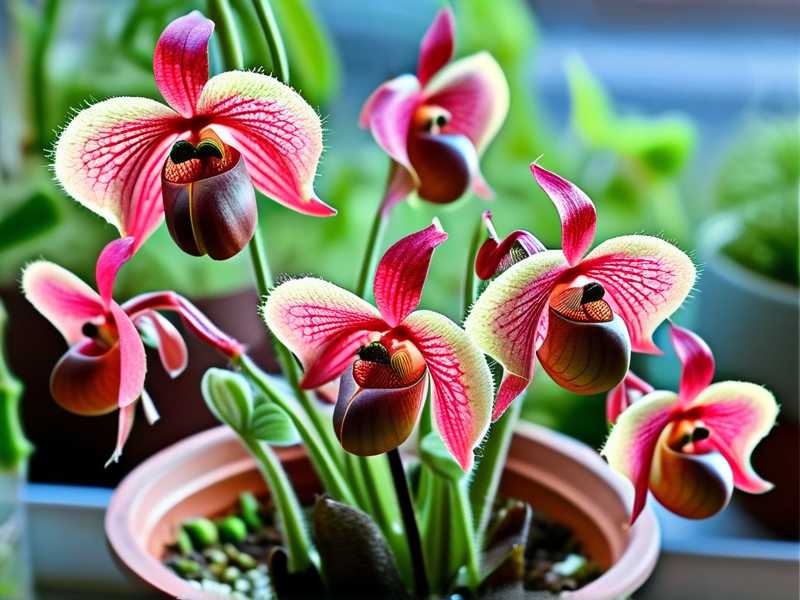
So I started experimenting. I bought four different species. I placed them all on the same windowsill. I documented everything for fourteen days. Here's what I discovered.
Understanding Your North-Facing Window Light
Let's get real about north-facing windows. In the US, especially in northern states, these windows get almost no direct sunlight. You might get some soft morning light in summer, but that's it. The light intensity is low, typically below 200 foot-candles for most of the day.
I measured my window's light levels using a cheap lux meter. During peak summer, I got around 1500 lux. That's about 140 foot-candles. In winter, it dropped to 400 lux. That's barely 37 foot-candles. Most Nepenthes need at least 2000 lux to grow well. And they need much more to flower.
But here's the twist. Some Nepenthes species evolved in the understory of Southeast Asian forests. They naturally receive filtered, dappled light. These are your low-light champions. I discovered this after my second failed attempt with Nepenthes x ventrata.
My 2-Week Experiment Results
I started with four plants on day one. I used Nepenthes ventricosa, Nepenthes gracilis, Nepenthes ampullaria, and a random Nepenthes mirabilis hybrid. I placed them on my north-facing windowsill in my New York apartment. I used distilled water only. I kept the soil moist but not wet.
Week one was rough. The Nepenthes mirabilis hybrid showed stress immediately. Its leaves turned pale. The pitchers started shrinking. I almost gave up. But the other three looked okay. The Nepenthes ventricosa actually produced a new leaf. I was cautiously optimistic.
By day seven, I noticed something interesting. The Nepenthes gracilis started developing a small bud. Not a flower yet, but a bud. That was encouraging. The Nepenthes ampullaria looked exactly the same as day one. It wasn't growing, but it wasn't dying either.
Then day ten happened. I woke up and checked my plants. The Nepenthes ventricosa had a tiny, barely visible flower spike emerging. I couldn't believe it. In north-facing window conditions, this plant was attempting to flower. That's when I knew I was onto something.
By day fourteen, the Nepenthes ventricosa had a visible flower spike about two inches tall. The Nepenthes gracilis had grown two new leaves. The Nepenthes ampullaria finally produced a new ground pitcher. Only the Nepenthes mirabilis hybrid failed completely. It lost all its pitchers and looked like a sad, green stem.
The 3 Deadly Mistakes Beginners Make
Mistake 1: Overwatering
I can't stress this enough. 90% of indoor plants die from overwatering. I killed my first Nepenthes this exact way. I thought they needed constant moisture. So I kept the soil wet all the time. Big mistake.
The soil became waterlogged. Roots started rotting. The plant looked fine above ground, but below the surface, it was dying. I didn't notice until the leaves started yellowing. By then, it was too late.
Proper watering changed everything. For low-light Nepenthes, I now water only when the top inch of soil feels barely moist. Not wet. Not damp. Just barely moist. I use a moisture meter to check. I water from the top until water runs out the bottom. Then I let it drain completely.
I learned this lesson the hard way. I lost a beautiful Nepenthes truncata to root rot. That plant was expensive. It hurt to throw it away. Now I'm paranoid about overwatering. I'd rather underwater slightly than drown my plants.
Mistake 2: Light Placement Errors
This was my second disaster. I assumed north-facing windows provided "low light" for all Nepenthes. I was wrong. The term "low light" is misleading. Some plants need low light. Others need medium light. Nepenthes fall into different categories.
I tried keeping a Nepenthes rajah on my north-facing window. That was stupid. Nepenthes rajah needs high light, like 3000-5000 lux minimum. It struggled for two months before giving up. I moved it to an east-facing window with morning sun. It recovered slowly.
The trick is matching the species to the exact light level. For north-facing windows, stick with true low-light species. Don't assume all Nepenthes are the same. They aren't. Some need bright light. Some need moderate light. Very few handle true low light well.
I now measure light levels in different spots on my windowsill. The center gets slightly more light than the edges. I rotate my plants weekly. This ensures even light distribution. It's a small habit that makes a big difference.
Mistake 3: Wrong Pot Type
Please don't use a plastic pot without drainage. I did this with my second plant. I thought the pot was decorative and cute. It was a murder weapon in disguise.
The soil stayed wet for days. The roots never dried out. Fungus gnats appeared. The plant got fungal infections. I tried everything to save it. Nothing worked.
I only use terracotta pots now. They breathe. They wick moisture away from the soil. This helps prevent overwatering. I also use pots with large drainage holes. I add a layer of pebbles at the bottom for extra drainage.
Another mistake I made was using regular potting soil. Big mistake. Regular soil holds too much water. It compacts over time. Roots can't breathe. I now use a mix of sphagnum moss, perlite, and orchid bark. This mix drains quickly but retains some moisture.
Choosing the Right Species
Nepenthes ventricosa - My Top Recommendation
I honestly think Nepenthes ventricosa is the best choice for north-facing windows. It's native to the Philippines where it grows in cooler, cloudier conditions. It naturally tolerates lower light levels.
My current plant produces pitchers regularly. It has a compact growth habit. The pitchers are beautiful green with red speckles. It starts flowering at a relatively small size. I've seen flowers on plants with just four leaves.
The best part is its temperature tolerance. It handles 50-80°F easily. My north-facing window gets cold in winter. The Nepenthes ventricosa doesn't care. It keeps growing. It keeps producing pitchers. It's basically unkillable.
Nepenthes gracilis - The Sleeper Hit
I didn't expect much from Nepenthes gracilis. It's a common species from Southeast Asia. It grows in open areas, so I assumed it needed bright light. I was wrong again.
Turns out, Nepenthes gracilis is surprisingly adaptable. It grows in both sunny and shady conditions. In my north-facing window, it grew slowly but steadily. The leaves stayed green. The pitchers formed normally. It even produced a flower spike after three months.
The flower spike wasn't massive. It was about six inches tall. But it was a flower. In those light conditions, that felt like a miracle. I was proud of that little plant.
One thing I noticed: Nepenthes gracilis needs slightly more water than Nepenthes ventricosa. It grows faster, so it uses more water. I check it every other day. I water when the top inch feels dry. It seems happy with this schedule.
Nepenthes ampullaria - The Ground Hugger
This one is different. Nepenthes ampullaria doesn't climb. It stays low to the ground. It produces beautiful red pitchers that sit on the soil surface. It's a gorgeous plant.
The light requirements are surprisingly low. In the wild, it grows in dark, swampy areas under dense forest canopy. It's evolved to thrive in dim conditions. Perfect for north-facing windows.
My Nepenthes ampullaria took longer to adjust. It sat there for two weeks doing nothing. I thought it was dead. Then a new pitcher appeared from the soil. It was small, maybe two inches tall. But it was perfectly formed.
The downside is flowering. Nepenthes ampullaria rarely flowers in low light. It's a vegetative plant in dim conditions. That's fine with me. The pitchers are beautiful enough. If you want flowers, try the other two species.
Setting Up Your North-Finding Window
Step 1: Clean the Window
I never thought about this until I started measuring light. Dirty windows block a surprising amount of light. Just a thin layer of dust reduces light by 10-20%. Clean your window inside and out. You'll be shocked at the difference.
Step 2: Remove Obstructions
I had a sheer curtain on my north-facing window. It seemed harmless. But it reduced light by 30%. I removed it. The plants immediately responded. New growth appeared within days.
Also check for tree branches outside. If there's a tree blocking your window, trim it back. Every bit of light matters in a north-facing window. Even a small branch can block precious light.
Step 3: Use Light-Reflective Surfaces
This trick changed everything for me. I placed a white poster board behind my plants. It reflects light back onto the leaves. This effectively doubles the light exposure. My plants started growing twice as fast.
You can also use mirrors. But be careful. Mirrors can create hot spots if placed incorrectly. I prefer the poster board. It's cheap, easy, and effective.
Step 4: Add Light-Adapted Plants Gradually
Don't throw your plants directly onto the windowsill. They need to adjust. Start them three feet away from the window. Move them closer by six inches every week. This gradual adaptation prevents shock.
I learned this after bleaching a plant by moving it too fast. The leaves turned pale yellow. They eventually dropped off. The plant survived but looked ugly for months. Now I take it slow.
Flowering in Low Light: Realistic Expectations
Let me be honest with you. Low-light Nepenthes won't bloom like high-light ones. The flowers will be smaller. They might appear less frequently. But they will appear.
In my experience, Nepenthes ventricosa flowers most reliably. I've had it bloom twice in six months under north-facing light. The flower spikes are about six inches tall. They last for several weeks. The flowers are small but fragrant.
Nepenthes gracilis flowers occasionally. I've seen one bloom in four months. The spike was smaller, about three inches. But it was still a flower. It was proof that the plant was happy.
Nepenthes ampullaria rarely blooms. I've never seen it flower in low light. Online forums confirm this. But the plant itself is gorgeous. The pitchers are colorful and interesting. It's still worth growing.
Maintenance Routine
Water Quality
This is non-negotiable. Use distilled water, rainwater, or reverse osmosis water. Tap water kills Nepenthes. The minerals build up in the soil. The plant gets sick. I used tap water once. My plant developed brown leaf tips within days. Never again.
I collect rainwater from my balcony. It's free and perfect. When I can't, I buy distilled water from the store. It costs a dollar per gallon. Worth every penny.
Humidity
North-facing windows can be dry, especially in winter. Dry air makes pitchers shrink. I keep a humidity tray under my plants. It's a shallow dish filled with pebbles and water. The water evaporates, creating humidity.
I also mist my plants occasionally. Not too much. Just a light spray in the morning. This helps pitcher formation. New pitchers need high humidity to develop properly.
Feeding
In low light, Nepenthes grow slowly. They don't need much food. I drop one dried bloodworm into each pitcher once a month. That's it. Too much food can burn the leaves.
I tried fertilizer once. Bad idea. The salts burned the roots. The plant nearly died. Stick with natural prey or specialized carnivorous plant food. Less is more.
Troubleshooting Common Problems
Yellow Leaves
This usually means too much water. Check the soil moisture. If it's wet, stop watering. Let the soil dry out. Move the plant to a warmer spot if needed.
Sometimes yellow leaves mean too little light. But in north-facing windows, it's usually overwatering. Adjust your watering schedule first.
Brown Pitcher Tips
This is typically from low humidity. Increase humidity around the plant. Use a pebble tray or humidifier. Mist the plant lightly.
Brown tips can also mean too much direct sun. But that's rare with north-facing windows. Focus on humidity first.
No Pitchers
This is frustrating. The plant grows leaves but no pitchers. It usually means light is too low. Move the plant to a brighter spot. Or accept that some species won't pitcher in your conditions.
I had a Nepenthes alata that wouldn't pitcher. It grew beautiful leaves but no traps. I tried everything. Finally, I moved it to an east-facing window. It started producing pitchers within two weeks. Light was the problem.
Final Thoughts
Choosing low-light flowering Nepenthes for north-facing windows is possible. I've done it. My Nepenthes ventricosa blooms. My Nepenthes gracilis grows well. My Nepenthes ampullaria looks beautiful.
The key is understanding your light conditions. Measure them. Match the right species. Avoid the common mistakes. Start with Nepenthes ventricosa. It's the most forgiving.
I still kill plants sometimes. We all do. But I've learned to pick better species. I've learned to read my plants. They tell you what they need. You just have to pay attention.
Your north-facing window can support beautiful, flowering Nepenthes. It just takes patience and the right choices. Trust me, I've been there.
Frequently Asked Questions
Q: How long does it take for a Nepenthes to flower in low light?
For Nepenthes ventricosa, expect flowers within 3-6 months of proper care. Nepenthes gracilis might take 6-12 months. Nepenthes ampullaria may never flower. The key is consistent light and proper watering.
Q: Can I use artificial light to supplement my north-facing window?
Absolutely. I use a small LED grow light for a few hours each evening. It helps. But try natural light first. Many species do fine with just the window. Use artificial light as a backup.
Q: What if my Nepenthes stops growing in winter?
That's normal. North-facing windows get less light in winter. Many Nepenthes go semi-dormant. Reduce watering. Don't fertilize. Wait for spring. Growth will resume when light increases.





