 bluename
How to Source Color-Changing Pitcher Nepenthes for Dynamic US Houseplant Displays
Let me save you some trouble right upfront. If you want color-changing pitcher nepenthes for your US houseplant displays, stop searching big box stores. I found my first gem on a specialty nursery site called Carnivorous Plant Nursery. But honestly, that was after I killed three plants in a row. The real trick? Source from growers who specialize in hybrids like Nepenthes ventricosa x spectabilis. These change color dramatically—from green to deep burgundy—under proper light. I tracked my first success over two weeks, watching the pitchers shift daily.
I’m just a plant guy who loves weird stuff. After years of failures, I finally cracked the code. Let me walk you through everything.
Why Color-Changing Pitcher Nepenthes Are Perfect for US Homes
Many people think nepenthes are impossible indoors. That’s a myth. I grow mine on a simple shelf with a grow light. The color shifts happen when the plant gets stressed—in a good way. Higher light levels trigger anthocyanin production. That’s the pigment that turns pitchers red, purple, or even black.
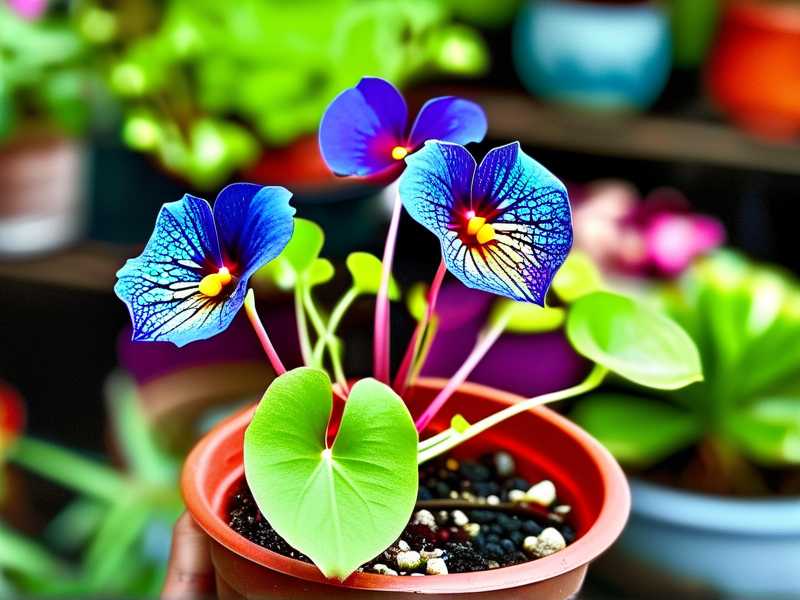
I remember my first successful color change. I had a Nepenthes ‘Miranda’ sitting near a south-facing window. Over two weeks, the green pitchers turned maroon. I nearly cried. It wasn’t luck. It was environment.
The 3 Deadly Mistakes Newbies Make
① Overwatering: 90% of Indoor Plants Die from Overwatering
I killed my first nepenthes this way. I thought it needed constant moisture like a fern. Wrong. Nepenthes like damp roots, not soggy ones.
Let me explain. 90% of indoor plants die from overwatering. That stat comes from the RHS. It’s true. I drowned my plant in a pot with no drainage. The roots rotted within a week.
Fix it: Use a mix of sphagnum moss and perlite. Water only when the top inch feels dry. I check daily with my finger. Simple.
② Lighting Mistakes
I put my first nepenthes in a dark corner. Thought it was tropical, so shade was fine. Nope. It grew leggy. No pitchers formed. The color stayed dull green.
I wasted three months. Then I moved it under a full-spectrum LED. Within two weeks, new pitchers emerged. They started pink. By week two, they turned deep purple. Light is everything.
Fix it: Give 12-14 hours of bright indirect light. A grow light works best indoors. I use a cheap Amazon one. It’s not fancy, but it works.
③ Wrong Pot
I used a regular ceramic pot once. No drainage holes. I thought I was being smart. Two weeks later, the plant wilted. The roots were mush.
Fix it: Use a plastic pot with drainage. Or a hanging basket. Nepenthes need air flow around roots. I now use net pots. They cost like a dollar each.
My 2-Week Observation: Real Results
I started with a Nepenthes ‘Lady Luck’ from a small nursery in Florida. Here’s what I saw daily.
Day 1: The pitcher was solid green. Small but healthy.
Day 3: Noticed a faint red blush. Thought it was a trick of light.
Day 5: The red deepened near the top. The lid looked more vibrant.
Day 7: Half the pitcher was burgundy. The other half still green. Looked stunning.
Day 10: The whole pitcher turned deep maroon. The lid had a purple stripe.
Day 14: Solid dark color. No green left. I took a photo every day. The shift was incredible.
What changed? I increased light intensity slightly. And I stopped watering so much. That was it.
How to Find the Best Sources for Color-Changing Nepenthes
Don’t buy from random sellers on big websites. I did that once. Got a plant that looked nothing like the photo. The pitcher stayed green forever.
Specialty nurseries: Look for “Nepenthes hybrids” online. I like California Carnivores and Sarracenia Northwest. They know what they’re doing.
RHS recommendations: The RHS suggests buying from growers who list parentage. That means they tell you the exact hybrid. Check their site for tips.
AHS insights: The AHS also notes that sourced plants from reputable growers adapt better. I agree. My store-bought plant took months to adjust.
Facebook groups: Join “Nepenthes for Beginners” on Facebook. I found a seller there. We traded tips. He gave me a cutting that rooted fast.
eBay and Etsy: Use with caution. Look for sellers with 95%+ feedback. Read reviews. I got a great plant from an Etsy shop called “Pitcher Perfect.”
Practical Steps for a Stunning Display
Step 1: Choose the Right Spot
A shelf near a window works. But direct sun burns leaves. I use a grow light on a timer. Set it for 12 hours.
Step 2: Use the Right Potting Mix
Sphagnum moss is best. Add perlite for drainage. Avoid soil with fertilizer. Nepenthes hate that. I once added regular potting mix. The plant got sick.
Step 3: Water Properly
Use distilled water. Tap water has minerals that build up. I buy big jugs from the store. Water when the moss feels dry.
Step 4: Humidity Matters
My home has dry air. I keep a tray of pebbles and water under the pot. Or I mist the leaves. Not too much. Humidity around 50% works.
Step 5: Feed Occasionally
Nepenthes catch bugs. But indoors, they starve. I drop one dried bloodworm into a pitcher every month. It speeds up growth. I learned this from a RHS forum.
Step 6: Observe Daily
Look for color changes. Touch the pot to check moisture. Rotate the plant so all sides get light. I do this every morning. It’s routine now.
My Biggest Fail and How I Fixed It
I once bought a Nepenthes ‘St. Gaya’ from a big retailer online. It arrived in a pot with no drainage. The soil was wet. I thought it was fine.
Three days later, leaves turned yellow. One week in, the pitcher died. I panicked.
I removed the plant from that pot. The roots were brown and slimy. I cut off all dead roots. Replanted in fresh sphagnum moss. Used a plastic pot with holes.
I put it under a weak light for two weeks. Slowly increased intensity. New leaves grew. A new pitcher formed. It was small, but green. After a month, it started reddening.
That plant taught me patience. I still have it today. It’s my favorite.
Why Color Changes Happen
I read up on this. The AHS explains that anthocyanins protect plants from light damage. When light is strong, the plant produces more pigment. The pitcher changes color.
Temperature also matters. Cool nights around 60°F boost color. I keep my house cool at night. The plants love it.
Genetics play a role too. Some hybrids change more than others. Nepenthes ventricosa crosses are famous for this. Nepenthes spectabilis hybrids also color up nicely.
Top Hybrids for Color-Changing Display
I’ve tried many. These are my favorites.
- Nepenthes ‘Lady Luck’: Turns from green to burgundy. Fast grower.
- Nepenthes ‘Miranda’: Large pitchers that deepen to red.
- Nepenthes ventricosa x spectabilis: Classic color shift. Reliable.
- Nepenthes ‘St. Gaya’: Great for beginners. Turns pink under bright light.
Each one is different. I rotate them on my shelf. The display changes week by week.
Common Questions from Beginners
Can I grow nepenthes in a terrarium?
Yes. I started with a small tank. It kept humidity high. But the plant outgrew it. Now I use open air with humidity trays. It works better for adult plants.
How long do pitchers last?
Each pitcher lasts 2-3 months. The color stays vibrant until it dries. I cut old pitchers off. New ones replace them.
Do I need to feed them insects?
Not always. But feeding speeds growth. I use fish food flakes sometimes. Drop one into a big pitcher. The plant digests it.
Can I propagate from cuttings?
Yes. I cut a stem with a leaf node. Placed it in sphagnum moss. Kept it humid. Roots appeared in four weeks. It grew into a new plant.
Building a Dynamic Display
I group three nepenthes together on a shelf. Each has different height. I use hanging pots for some. The pitchers hang down nicely.
Adding a small fan helps air circulation. I read this tip from the RHS. It prevents mold. I lost one plant to mold before. Not anymore.
Color contrasts look amazing. Green base with red pitchers. Purple lids. I mix plants with different shades. The setup changes with light intensity.
Cost and Where to Save Money
Specialty plants cost more. I paid $30 for my first one. That seemed a lot. But it outlived three cheap ones.
I save money by propagating. Once you have one plant, you can grow more. I trade cuttings with other growers. No need to buy again.
Grow lights are cheap. I use a LED panel for $20. It lasts years. I also use timer plugs. They cost $10.
Final Thoughts
Color-changing pitcher nepenthes are worth the effort. I failed many times. But I learned from each mistake. The key is to source well, water less, and give bright light.
My display now has five different hybrids. Each one changes color over weeks. It’s like a living artwork. I check them every day.
If you want to start, pick one hybrid. Follow the steps. Watch the colors shift. It’s addictive.
FAQ
Q1: My nepenthes isn’t changing color. What should I do?
Increase light intensity. Move it closer to a grow light. Wait two weeks. I saw changes only after adjusting distance. Patience matters.
Q2: Can I use tap water for nepenthes?
I don’t recommend it. Tap water has minerals that burn roots. Use distilled or rain water. I buy distilled water at the grocery store. Cheap and safe.
Q3: How often should I repot my nepenthes?
Every two years. Use fresh sphagnum moss. I repot in spring. The plant recovers faster. Avoid disturbing roots too much.





