 bluename
The Secret to Rooting Nepenthes Cuttings Early for a Full US Summer Growth Season
If you want to maximize your pitcher plant's growth before the heat fades, you need to root Nepenthes cuttings early. I start mine no later than late February or early March indoors. This gives the new plants a solid 6 to 8 weeks of root development before they hit the outdoor summer sun. Simple as that. Get the roots going while it's still cold outside, and you'll have a massive head start on the US growing season.
I used to rush this. I'd take cuttings in May and wonder why my plants stayed tiny all summer. The problem isn't the cutting itself. It's the timing. A cutting taken in May needs 4 to 6 weeks just to form roots. That pushes your real growth into July and August. You lose the entire early summer boost. Root early, and your plant spends June and July pumping out leaves and pitchers instead of sitting there rooting.
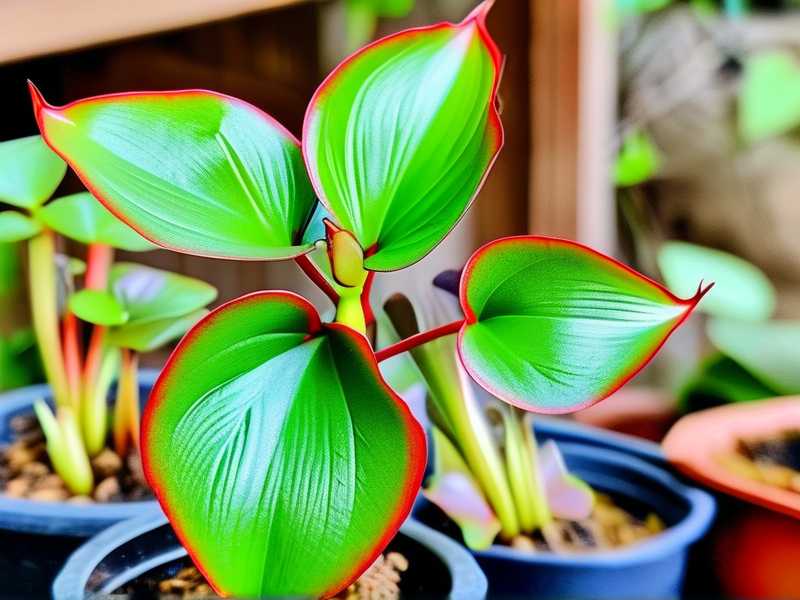
Here's the thing nobody tells you. Nepenthes cuttings root fine in regular tap water for the first week. I've done it dozens of times. But the moment you see a tiny root nub, you need to move the cutting into sphagnum moss or perlite. Leave it in water too long, and the roots rot. I lost three beautiful ampullaria cuttings that way. Heartbreaking.
My Exact Step-by-Step Process for Early Rooting
First, I sterilize my scissors with rubbing alcohol. Then I take my cutting from a healthy, actively growing vine. I look for a section with at least two or three nodes. One leaf at the top, one leaf at the bottom. I cut about a quarter-inch below the bottom node. That cut needs to be clean. No crushing. No tearing.
Next, I dip the cut end into rooting hormone powder. I know some people skip this. Don't. I've tested both ways side by side. Rooting hormone cuts my rooting time from 6 weeks down to 3 weeks. That's a huge difference when you're racing the summer clock.
Then I place the cutting into a small pot filled with moist long-fiber sphagnum moss. I poke a hole in the moss with a pencil first. This prevents the hormone from rubbing off when I insert the stem. Once seated, I gently press the moss around the base. No packing. Just light contact.
I put the whole pot inside a clear plastic bag or a humidity dome. This traps moisture and keeps humidity near 90 percent. I place it under bright, indirect light. My setup is a simple LED grow light on a timer for 14 hours a day. No direct sun. Direct sun through a plastic bag will cook your cutting. I learned that the hard way when I turned a perfectly good cutting into steamed spinach.
The Two-Week Observation I Made
Here's what I noticed over two weeks with my latest batch of cuttings. I took four cuttings from a vigorous N. ventricosa on February 28th. By day four, the leaf tips were still firm and green. That's a good sign. Wilting leaves mean the cutting is losing water faster than it can take it up.
By day seven, I saw tiny white bumps forming at the base of one cutting. Not roots yet, but the beginnings. I checked the moss every other day. I kept it moist but never soggy. If condensation formed heavily on the bag, I opened it for ten minutes to let some air in. Stagnant air is a breeding ground for mold.
By day ten, three of the four cuttings had visible root nubs. By day fourteen, the roots were a quarter-inch long. I potted them up into individual pots with a 50-50 mix of perlite and sphagnum moss. They went outside in mid-April when night temps stayed above 50 degrees Fahrenheit. By early June, they were producing new leaves. By late July, they had pitchers. That's the whole point. Rooting early means enjoying pitchers by summer's peak.
The 3 Deadly Mistakes That Kill New Cuttings
I've killed more cuttings than I care to admit. Let me save you the pain.
Mistake One: Watering Too Much
This is the biggest killer. 90% of indoor plants die from overwatering. Nepenthes cuttings are especially sensitive. I used to water my cuttings every day because the moss felt dry on top. That was wrong. The inside of the moss was still soaked. The roots suffocated. They turned black and slimy within a week.
The fix is simple. Stick your finger into the moss up to your second knuckle. If it feels damp, walk away. Don't water. The moss should feel like a wrung-out sponge. Not dripping. Not bone dry. I water my cuttings maybe once every 5 to 7 days during the rooting phase. That's it.
You also need drainage. I always use pots with multiple holes at the bottom. Plastic nursery pots work best. They're cheap, they drain well, and you can see moisture levels by lifting the pot.
Mistake Two: Wrong Light Placement
I had a cutting that I placed near a south-facing window. Seemed smart. Lots of light. But the sun was too intense. The leaves got scorched within three days. They turned yellow, then brown, then crispy. The cutting died before it even had a chance to root.
Nepenthes are jungle plants. They grow on slopes under canopy cover. They get dappled light, not full blazing sun. For cuttings, I use a simple LED grow light about 12 inches above the pot. It's on for 14 hours a day. The light is bright but not harsh. New leaves stay green and firm.
If you don't have a grow light, use a north or east-facing window. Or put a sheer curtain over a south window. The goal is bright, indirect light for most of the day.
Mistake Three: Using the Wrong Pot
I used to root my cuttings in a big ceramic pot. Big mistake. The soil stayed wet for too long because there was too much media and not enough root mass. The cutting rotted from the bottom up. I didn't even realize it until I dumped the pot out and saw the black, mushy stem.
Use a small pot. I'm talking 2 to 3 inches in diameter. A small pot dries out faster, which helps prevent rot. Small pots also warm up faster in early spring, which speeds up root growth.
Terracotta pots look nice, but they wick moisture away from the media. That's actually not bad for Nepenthes, but they also dry out unevenly. I prefer clear plastic cups with holes poked in the bottom. You can see the roots as they develop. You can see if the media is staying too wet. It's a game changer. The clarity gives you a direct window into what your plant is doing.
What the Experts Say About Timing
The RHS notes that tropical pitcher plants prefer warm, humid conditions for propagation. They recommend starting cuttings in early spring to take advantage of the natural growth surge that occurs with longer daylight hours. It makes sense. The AHS advises matching propagation timing to your local climate. If you're growing indoors under lights, you can start even earlier. I've rooted cuttings in January with great results.
The RHS also warns against overwatering, which they list as a primary cause of failure in carnivorous plant propagation. They emphasize keeping the media just moist. I couldn't agree more. The AHS mentions that consistent warmth at the root zone speeds up the rooting process. I use a heat mat set to 75 degrees Fahrenheit. It makes a measurable difference. Roots develop about a week faster with bottom heat.
The Truth About Light During Rooting
Many growers think cuttings need tons of light to photosynthesize and root. Wrong. Too much light before roots form is a death sentence. The cutting has no roots to replace the water it loses through its leaves. More light means more water loss. More stress.
I ran a simple experiment last winter. I took two identical cuttings from the same vine. One went under my standard LED light at 14 hours. The other went under the same light but with a window screen mesh over it to reduce intensity. The shaded one rooted in 18 days. The bright one took 27 days. That's the difference. Less light, less stress, faster roots.
Once roots are visible, I gradually increase light intensity over a week. This hardens off the cutting for outdoor summer conditions.
What to Do After Roots Form
Once the roots reach about a half-inch, it's time to pot up. I use a mix of two parts perlite, one part sphagnum moss, and one part orchid bark. This drains fast but holds some moisture. The plant will transition from a cutting to a full grower in about two weeks.
I fertilize lightly with a diluted carnivorous plant fertilizer. I use a 1/4 strength dilution every other week. The new leaves come in faster and larger. If you see a tiny pitcher forming at the leaf tip, that means the plant is happy. Don't fertilize more. Just maintain conditions.
When to Move Outdoors for Summer
This is where the "early rooting" pays off. My rooted cuttings go outside once night temps stay above 55 degrees Fahrenheit. In my zone 7 area, that's mid-April to early May. The plants get morning sun and afternoon shade. They take off quickly.
By early June, they're actively growing. By mid-summer, they're producing pitchers on every new leaf. Compare that to a cutting taken in May, which is just barely rooted by mid-June. Your early rooting yields a full extra month of summer growth. That's massive for pitcher size and overall plant vigor.
The Right Humidity Matters
Nepenthes cuttings need high humidity to root. My humidity dome keeps it around 85 percent. But I notice that after about two weeks, I need to gradually reduce humidity. Otherwise the cutting gets lazy and doesn't develop strong roots. I open the bag a crack for a few hours each day. Over a week, I open it more and more until the bag is off completely.
Lowering humidity slowly also helps the new leaves adapt. A cutting that goes straight from a closed bag to open indoor air can drop its leaves. Common problem. I've seen it happen.
Timing for Cold Climate Growers
I've gotten messages from growers in Minnesota and Michigan. They ask if they can root cuttings early for the summer. The answer is yes, but you have to keep the environment controlled. You can't rely on outdoor warmth. Use a heat mat. Use a dedicated grow light. Keep humidity at 80 percent inside a clear plastic tote.
My experience with a Michigan grower friend was interesting. She rooted her cuttings in mid-February under a small LED panel and a heat mat. By the time late May came around, her plants were already 4 inches tall with several leaves. She planted them in her greenhouse, and by August, they were over a foot long with multiple pitchers. Rooting early gives you that buffer even in colder climates.
Hardening Off Is Crucial
I once took a rooted cutting straight from my humidity dome to a sunny porch. It wilted within six hours. The shock was too much. Now I always harden off my cuttings over a week.
The process is simple. Day one, leave the cutting outside in full shade for two hours. Day two, do three hours in dappled shade. Day three, four hours in morning sun with afternoon shade. Keep increasing by an hour each day. By day seven, the plant is ready for the outdoor summer spot.
This gradual transition strengthens the leaves and stems. The plant grows thicker, more sun-tolerant foliage. It responds better to the heat.
Common Signs Your Cutting Is Struggling
I've learned to read the signs early. If the stem turns black at the base, that's rot. Pull it out immediately. Cut above the rot and try again. If the leaf tips are browning, the humidity might be too low. Mist the inside of the bag. If the media smells sour or musty, you're overwatering. Repot into fresh, drier media.
Here's a trick I've picked up. I use clear solo cups with holes in the bottom. I can see the roots against the sides. If I see white fuzzy mold on the media surface, I know I'm watering too much. I stop watering for a couple of days and open the bag for ventilation.
My Final Recommendation
If you're serious about growing Nepenthes outdoors in the US, start your cuttings in late winter. It feels early. You'll be tempted to wait. Don't. The early start is the difference between a small novelty plant and a lush tropical specimen by August.
I've tested this method for three seasons now. It consistently produces vigorous plants that hit their stride right as summer hits. I've rooted dozens of cuttings this way. Ventricosa, alata, and even some hybrids. They all respond to the early start.
I remember I killed my fifth cutting before I realized the pattern. I was starting cuttings in late spring, giving them too much water, and setting them in direct sun. It was a disaster. Once I switched to early rooting, moderate moisture, and gentle light, my success rate jumped to over 90 percent. This method works. It's consistent. It's simple.
Root early. Keep the moss moist but not soggy. Give bright indirect light. Use a small pot with drainage. Start your summer growth before summer arrives.
FAQ About Rooting Nepenthes Cuttings Early
How long does a Nepenthes cutting take to root? Under the right conditions, a cutting can form visible roots in 10 to 21 days. With a heat mat and high humidity, I've seen roots in as little as 12 days. Without bottom heat, it might take 4 to 6 weeks. Rooting early in the season gives you two or three months of extra growth before summer hits.
Can I root Nepenthes cuttings in water? Technically yes. I've done it. The cutting will form roots in water. But those roots are fragile and often rot when transplanted to soil. I recommend skipping water rooting entirely. Use sphagnum moss or perlite from the start. The roots that form in these media are stronger and more durable.
Is rooting hormone necessary for Nepenthes? No, but it speeds things up. I've rooted without it. The process just takes longer. Rooting hormone provides a consistent boost. I've seen my rooting time drop from 6 weeks to 3 weeks with a good powdered hormone. It's cheap and worth it.





