bluename
 Caring for Nepenthes in USA USDA Zone 5 This Spring: A Complete Survival Guide
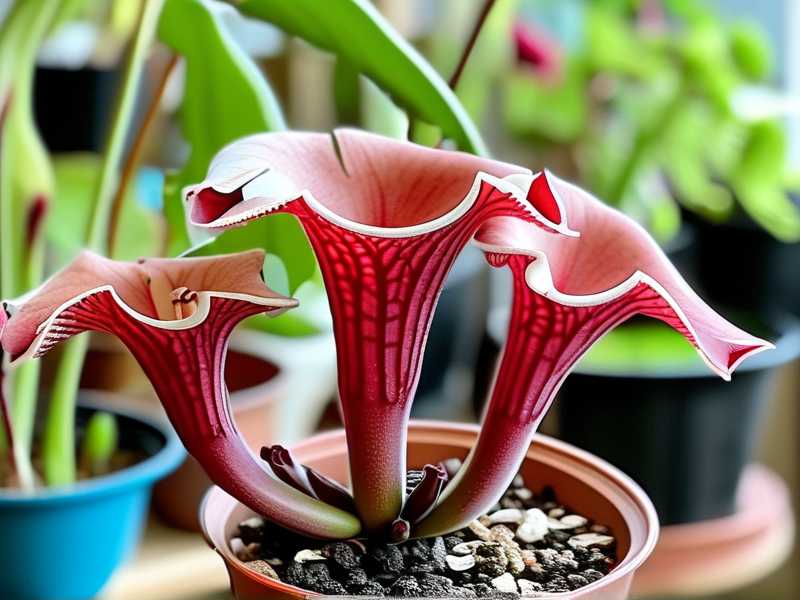
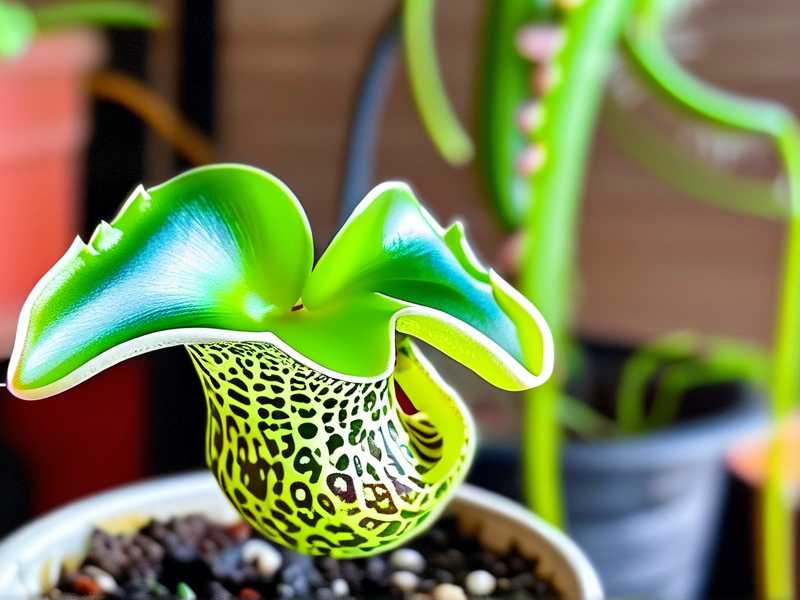
Spring has finally arrived in USDA Zone 5, and for carnivorous plant enthusiasts, the anxiety is real. You own a tropical pitcher plant, but the threat of late frosts and dry indoor air looms large. Caring for Nepenthes in USA USDA Zone 5 this spring requires a specific set of rules that differ vastly from growing tomatoes or roses outside.
These exotic beauties evolved in equatorial heat and high humidity. They cannot tolerate freezing temperatures, and they despise tap water. If you live in regions like Chicago, Denver, or New York, you are likely growing them indoors or in a greenhouse for most of the year. This guide focuses on the transition from winter dormancy to active growth, ensuring your plants produce vibrant pitchers without rotting.
Understanding the USDA Zone 5 Challenge
Zone 5 is characterized by cold winters with minimum temperatures dropping to -20°F. For a Nepenthes, this is lethal. As spring approaches, the fluctuating temperatures can be stressful. Daytime highs might reach 60°F, while nights still dip near freezing.
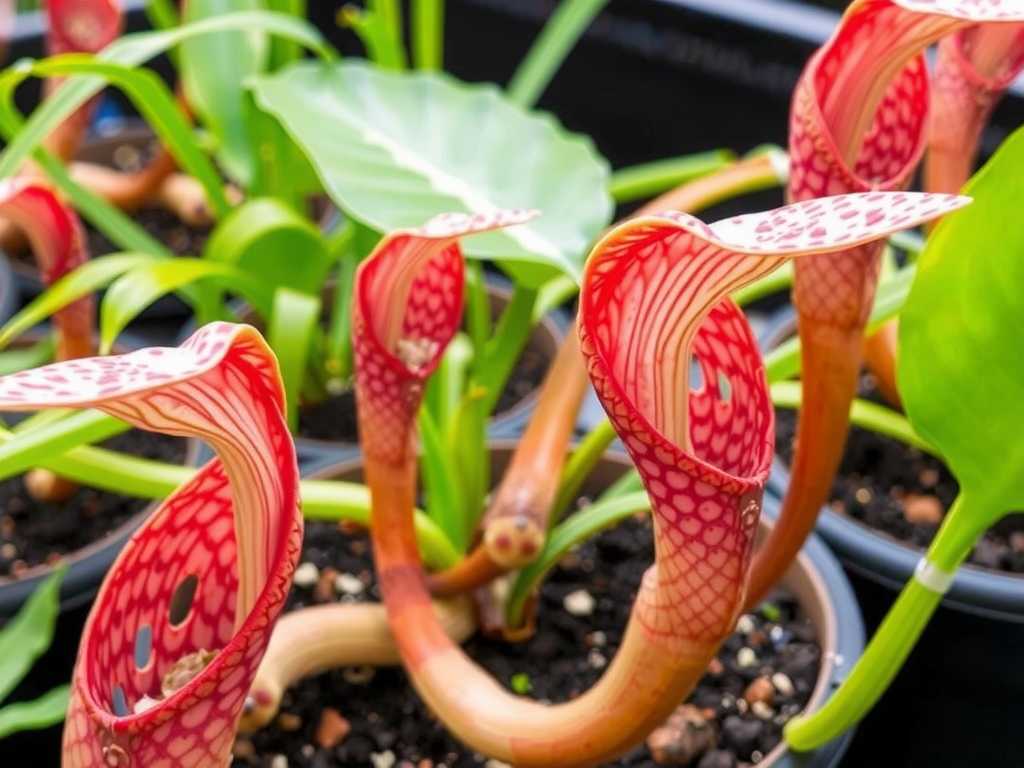
This volatility is the primary pain point for growers. Your plant wants to wake up and grow, but the environment is still hostile. Indoor Nepenthes care guide strategies are essential here because outdoor cultivation is impossible until late May or June, depending on your specific microclimate. The goal is to mimic the consistent warmth of the tropics inside your home.
Why Spring is Critical for Pitcher Development
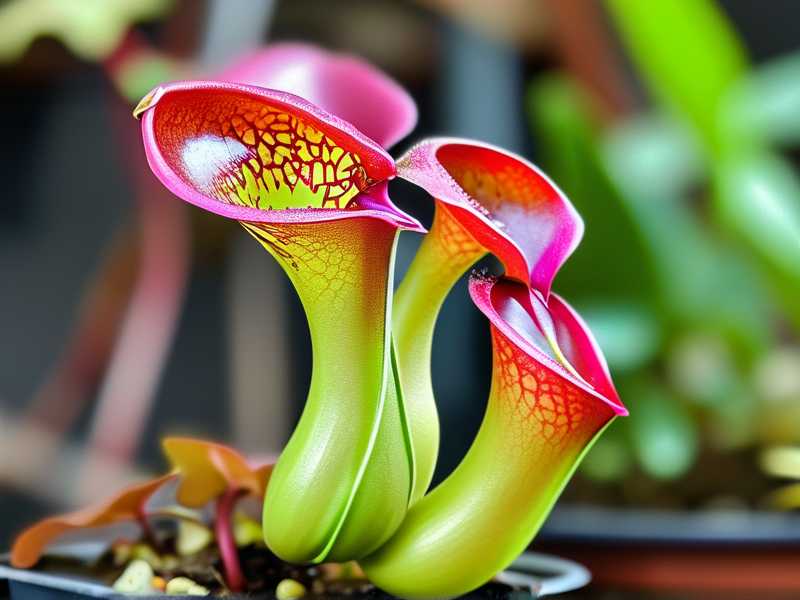
Spring is not just about survival; it is about energy. The plant uses stored resources from the winter to push out new vines. If the conditions are wrong now, you will have a season of "blind nodes" (leaves without traps). Successful caring for Nepenthes in USA USDA Zone 5 this spring means managing the microclimate to encourage the formation of healthy, colorful pitchers.
The Spring Transition: Waking Up Your Plant
As daylight hours increase in March and April, you will notice new growth emerging. This is the time to act, but patience is key. Do not rush to repot immediately unless the plant is severely root-bound.
Assessing Winter Damage
Before doing anything, inspect the plant. Brown leaves are normal if they are old, but black mushy stems indicate rot. If your plant lost all its pitchers during winter, do not panic. This is a common reaction to low light and cold.
Repotting and Soil Refresh
Spring is the best time for repotting, usually every 1-2 years. Tropical pitcher plant winter transition care often involves moving to a slightly larger pot. However, Nepenthes dislike being buried too deep.
Use a specific carnivorous plant soil mix. Never use standard potting soil or garden soil, as the nutrients will burn the roots. The "golden ratio" for Zone 5 indoor growers is:
50% Long-fiber sphagnum moss
50% Perlite
Alternatively, a mix of peat moss and perlite works, but sphagnum moss is superior for moisture regulation. Ensure the pot has excellent drainage. Plastic pots retain moisture better than terracotta, which can dry out too fast in centrally heated homes.
Mastering the Environment: Light and Temperature
In Zone 5, natural light in spring is often insufficient. Windowsills may seem bright to us, but they are dark corners for a tropical plant needing 4000+ foot-candles.
Grow Lights are Mandatory
Unless you have a south-facing conservatory, you need artificial light. High-output T5 fluorescent bulbs or full-spectrum LED grow lights are best. Position the lights 6-12 inches above the plant.
Aim for 12-14 hours of light per day. If you rely solely on a windowsill, the light intensity will drop significantly as you move just a few feet away from the glass. Caring for Nepenthes in USA USDA Zone 5 this spring relies heavily on supplementing the sun.
Temperature Swings Management
Your home thermostat is likely your biggest enemy. Nepenthes prefer days between 75-85°F and nights around 65-70°F. Most Zone 5 homes drop to 60°F or lower at night in spring.
If your nights are too cold, growth will stall. You may need a space heater or a seedling heat mat under the pot (placed on a towel to insulate) to maintain root zone warmth. However, ensure the air circulation is good to prevent mold.
Watering and Humidity: The Lifeblood of the Plant
This is where most beginners fail. Tap water in Zone 5 contains chlorine, chloramines, and dissolved solids (TDS). These minerals accumulate in the soil and kill the plant slowly.
The Water Rule
Always use reverse osmosis (RO) water, distilled water, or rainwater. If you collect rainwater, ensure the container is clean to avoid bacterial growth. Keep the soil consistently moist but not soggy. A good humidity tray is a simple DIY solution: place the pot on a tray of pebbles filled with water. As the water evaporates, it creates a humid microclimate around the leaves.
Humidity Targets
Nepenthes are tropical vines. They crave humidity above 50%. In Zone 5, indoor humidity in spring can drop to 20% due to heating systems.
Lowland varieties: Need 60-80% humidity.
Highland varieties: Need 50-60% humidity (cooler nights help here).
Misting the leaves daily helps, but it is labor-intensive. A small humidifier in the grow room is the most effective long-term investment for indoor Nepenthes care guide enthusiasts.
Feeding: Nutrition in Spring
Do not feed your plant immediately when you see new growth. Wait until the first pitcher opens. The plant needs to rebuild its root system first.
What to Feed
Use live insects (crickets, fruit flies) or freeze-dried bloodworms. Do not use hamburger meat or cheese; these will rot and attract bacteria. Only put one small item inside each pitcher. The plant produces its own enzymes to digest the prey.
Fertilizer Use
Foliar feeding is better than root feeding for Nepenthes. Use a specialized orchid or carnivorous plant fertilizer (like Maxsea or Orchid Focus) at 1/4 strength. Spray it directly on the leaves and developing pitchers once a month during the growing season. Over-fertilizing is a common cause of root burn.
Common Pests and Diseases in Zone 5 Homes
Dry indoor air and stagnant ventilation invite pests.
Mealybugs and Aphids
Check the undersides of leaves and the leaf axils. Mealybugs look like white cotton. Remove them with a Q-tip dipped in rubbing alcohol. Neem oil is effective but can be harsh if the plant is already stressed; use it as a last resort.
Root Rot and Fungus Gnats
If the soil stays wet for too long without drying slightly, you will get fungus gnats or root rot (Pythium). Ensure the pot is not sitting in standing water. Caring for Nepenthes in USA USDA Zone 5 this spring requires a balance: moist soil, but oxygenated roots.
Pruning and Shaping for Vigor
Spring is the time to tidy up. Trim away any dead leaves or black vines. Use sterile scissors to prevent infection.
If your vine is getting leggy (long stems with few pitchers), you can prune it back to a node. This encourages the plant to send out side shoots, making it bushier and increasing the number of potential trapping sites.
Acclimatizing for Summer
By late May or early June in Zone 5, night temperatures should consistently stay above 55°F. This is when you can move your Nepenthes outside.
However, do not place it in direct, scorching sun immediately. Acclimate it over two weeks. Start in deep shade, then move to dappled sunlight, and finally to full morning sun. A porch or patio that gets protection from the harsh midday sun is ideal.
Frequently Asked Questions
Can I put my Nepenthes outside in Zone 5 during the day in April?
It is risky. While the day might be warm, the temperature drop at night can shock the plant and stunt growth. Wait until night temperatures are consistently above 55°F before leaving it out overnight.
Why are my new pitchers turning brown before opening?
This is usually due to low humidity or a sudden drop in temperature. In Zone 5 homes, this often happens when a heater vent blows directly on the plant or when the air is too dry. Increase humidity and stabilize the temperature.
Should I cut off the flower spike?
Yes, unless you are an experienced grower trying to hybridize. Flowers are energy-intensive and can weaken the plant, especially in spring when it is trying to establish new vegetative growth. Snip it off when it is a few inches long.
Caring for Nepenthes in USA USDA Zone 5 this spring is a rewarding challenge that bridges the gap between your indoor garden and the exotic tropics. By controlling the temperature, ensuring pure water, and supplementing light, you can watch your pitcher plant thrive. The vibrant colors of a healthy Nepenthes pitcher are a testament to your dedication. As the season progresses into summer, keep monitoring the humidity and enjoy the unique predatory nature of these incredible plants. With the right setup, even in the cold climate of Zone 5, you can maintain a lush, carnivorous jungle right on your windowsill.