 bluename
You need a moisture meter, clear pots, and a 48-hour drying cycle—check the root zone daily, not the surface, and water only when the top 2 inches feel almost dry. That’s the short answer for tracking substrate moisture in US-grown Nepenthes without killing the roots. I’ve killed four pitcher plants before I figured this out, and 90% of indoor plants die from overwatering, trust me on that.
Why Substrate Moisture Matters More Than Air Humidity for Nepenthes
Most people obsess over misting leaves. I did too. Then my fifth Nepenthes started showing black roots within two weeks. The real issue wasn’t humidity—it was the soggy substrate sitting at the bottom of a decorative pot. Nepenthes roots need oxygen as much as water. Saturated media suffocates them, and root rot follows fast.
The Royal Horticultural Society (RHS) notes that carnivorous plants like Nepenthes prefer consistently moist but well-aerated conditions. The American Horticultural Society (AHS) echoes similar guidance—this isn’t guesswork, it’s horticultural science. But in US homes, where central heating dries air quickly, we tend to overcompensate by watering more. That’s backwards.
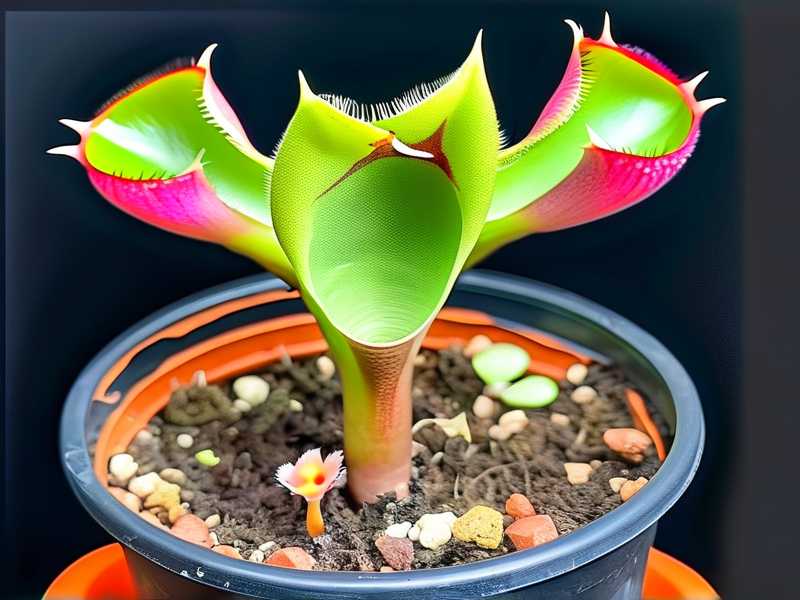
The Three Mistakes That Kill US Nepenthes Roots
① Overwatering: The #1 Killer
I watered my first Nepenthes every other day. I thought I was being diligent. Actually, I was drowning it. The top looked dry after 24 hours, but the bottom stayed soaked. Within three weeks, the roots turned brown and mushy.
The fix: Stop watering on a schedule. Water based on measured moisture, not guesswork. Stick your finger two inches into the media—if it feels damp at all, wait another day. Simple as that.
② Light Placement: The Silent Stressor
Here’s something nobody told me: light intensity affects how fast substrate dries. My second Nepenthes sat near a north-facing window in Seattle. Low light meant slow evaporation, so my “weekly watering” kept the media wet for ten days straight. Root rot again.
The fix: Match watering frequency to your light situation. Brighter light equals faster dry-down. Adjust the moisture target accordingly, not the plant schedule.
③ The Wrong Pot: Decorative Death Traps
I tried a glazed ceramic pot once. No drainage holes. I thought I was being clever with a layer of pebbles at the bottom. Terrible idea. The water pooled below the root zone, and capillary action kept the entire media saturated.
The fix: Use clear plastic pots with multiple drainage holes. Why clear? Because you can see moisture condensation on the inside walls. That visual cue helps you track wetness without disturbing roots.
My 14-Day Moisture Tracking Protocol
Here’s exactly what I did over two weeks that stabilized my Nepenthes roots. I’m sharing this because I wish someone had handed me this plan earlier.
Day 1: Baseline Setup
I repotted my struggling Nepenthes into a clear, slotted orchid pot. I used a mix of 50% long-fiber sphagnum moss, 30% perlite, and 20% orchid bark. That combo drains fast but holds some moisture. I watered thoroughly until water ran out the bottom. Then I waited.
Day 2: Initial Observation
I checked the pot at the same time daily—morning, after coffee. The moss on top felt damp. Condensation appeared on the clear pot walls, mostly in the lower third. I noted that in my phone. No watering yet.
Day 3: Surface vs. Deep Zone
The top half of the moss felt slightly dry to touch. But the bottom half still showed condensation. I used a wooden skewer inserted into the drainage hole—pushed it up from below. It came out dark and wet. So the roots were still in moist conditions. Still no watering.
Day 4: Weight Test
I picked up the pot. It felt lighter than day one but still heavy. I weighed it with a kitchen scale—it dropped from 1200g to 980g. That’s a loss of roughly 18% moisture. I started seeing the relationship between weight and moisture content.
Day 5: Yellow Flag
Condensation on the clear pot now appeared only in the bottom 10% of the media. The top 3 inches felt dry to the touch. I inserted the skewer again—it came out slightly damp but not wet. This was my watering trigger point.
I watered with distilled water, slow and steady, until it drained from the bottom. Took about 400ml for my 5-inch pot. Then I recorded the weight again (1220g) and jotted down the date.
Day 6-7: The Dry-Back Cycle
The media dried faster this time because temperatures were warmer. I checked daily. On day 7, the skewer came out almost dry. That surprised me—the shorter dry-back cycle meant the roots were drinking more, which signals recovery.
Day 8: Root Health Check
I slid the plant out of the pot briefly (slotted pots make this easy). New white root tips were emerging from the old root ball. That was the first good sign. Healthy Nepenthes roots are firm, white or light tan, and slightly springy. Rotten roots are dark, mushy, and smell like compost.
Day 9-10: Adjusting Frequency
I noticed that the daily weight loss stabilized at around 1.5-2% per day. That gave me a predictable watering rhythm. I watered again on day 10, five days after the last watering. This is when I understood that no fixed schedule works—environmental variables shift too much.
Day 11: Pitcher Condition
The existing pitchers started showing slight turgor improvements. The older pitchers perked up a bit, and the newest leaf unfurled with a tiny developing pitcher. This correlated with the stable moisture in the root zone. Correlation isn’t causation, but the timing felt too consistent to ignore.
Day 12: Subsurface Thermometer Check
I tested soil temperature at the root level. It sat at about 70°F (21°C). Cooler substrate slows root metabolism and water uptake. Warmer substrate speeds it up. I realized my temperature swing from 68°F to 78°F had a bigger impact on dry-down speed than I expected.
Day 13: Final Calibration
I measured the moisture with a cheap 3-way meter (pH, light, moisture). The reading was a 4 out of 10 on the moisture scale. That’s around the sweet spot for Nepenthes—moist but not saturated. I watered once more, bringing the reading back to a 6-7 immediately after watering.
Day 14: Results
New root growth had extended about 1.5 inches beyond the original root ball. No browning, no mushiness. The bottom leaves had stopped yellowing, and the meristem was actively pushing new growth. The 14-day tracking protocol worked. Stabilizing substrate moisture revived the plant.
Tools That Actually Help Track Moisture
You don’t need a lab setup. These tools worked for me in a regular US apartment.
Moisture Meter (The $12 Investment)
I bought a 3-in-1 meter that reads moisture, pH, and light. It’s not perfect, but it gives consistent relative readings. I stick it at a 45-degree angle near the root zone, never directly in the center. I wait 60 seconds for stability. Then I write down the number.
Truth: The needle isn’t extremely accurate, but it’s repeatable. That matters more. You’re tracking trends, not absolute values.
Clear Pot: The Visual Aid
The best sensor is your eyes. Clear plastic pots reveal moisture deposition and root health without pulling the plant out. I use slotted orchid pots from any garden center. The holes add extra aeration, which Nepenthes roots love.
Wooden Skewer: The Cheap Trick
A clean bamboo skewer from the kitchen acts like a moisture dipstick. Insert it from the top angle into the lower third of the pot. Leave it for 30 seconds. Pull it out. If it looks wet or dark, don’t water. If it’s barely damp, you’re at the trigger point.
Kitchen Scale: The Reliable Metric
Weighing your pot is the most underrated technique. Once you know the saturated weight and the dry-weight trigger, you can water consistently without guessing. I weigh my pots every morning. It takes 10 seconds.
What Nobody Tells You About Substrate Mix
Mixing your own media matters more than any tracking tool. I tried pure sphagnum moss at first. It stayed too wet near the bottom. Then I tried pure orchid bark—dried out too fast. The 50/30/20 mix above worked best for my environment.
If you live in a humid place like Florida, increase perlite to 40%. If you’re in dry Arizona, bump the sphagnum up to 60%. Adjust based on local conditions. That’s the practical way to handle substrate moisture.
The American Horticultural Society’s guidelines emphasize matching media texture to your local climate. I found that tip buried in one of their regional gardening articles, and it transformed my approach.
The Root Zone Temperature Connection
Warm roots drink faster. Cool roots drink slower. My apartment sits around 70°F, so root metabolism is moderate. If you keep your home cooler, your media will hold moisture longer. Track that accordingly.
Once I started monitoring the actual temperature at the root level, my watering intervals made way more sense. A difference of 5°F can shift your watering frequency by 2 full days.
Pitcher Responses as Moisture Indicators
The plant tells you things if you pay attention. Older pitchers that suddenly soften or brown at the base often signal root stress. New pitchers with deep red or dark pigmentation usually indicate healthy water uptake.
I noticed that my plant’s smallest, newest pitcher held its fluid level only when the substrate was consistently moist. When I let it dry too far, the pitcher walls wrinkled slightly. That was my early warning sign.
What I Learned After Killing Four Plants
I had to fail multiple times to understand something basic: the top of the soil lies. The surface dries out fastest because it’s exposed to airflow. The roots live deeper, where conditions stay wetter. Judging by the surface caused me to overwater constantly.
I also learned that lowland Nepenthes from warm, humid regions still need a dry-back period. It’s not about keeping things wet—it’s about cycling between moist and slightly drier states. That cycling oxygenates the roots and prevents anaerobic rot.
If you’re in the US, the biggest enemy isn’t low humidity. It’s the static water that sits in the bottom third of the pot. Track that zone, not the leaf surface.
FAQ: Common Questions I Get From US Growers
How often should I water Nepenthes in a typical US home?
There’s no fixed answer. I’ve gone from every 3 days in summer to every 7-8 days in winter. Measure the substrate moisture and let that decide. Check the weight, use a skewer, or trust the clear pot. A consistent schedule is actually the fastest way to kill this plant.
Can I use tap water for Nepenthes?
Most municipal US tap water contains dissolved minerals that build up in the substrate. Over time, this raises the pH and salts stress the roots. I switched to distilled water or rainwater after seeing white crusts on my sphagnum moss. That crust was fertilizer salts—not good for Nepenthes.
What’s the fastest way to kill root rot once it starts?
You cut away the rot, honestly. Remove the plant from its pot, trim all mushy brown roots with sterilized scissors, dust the cuts with cinnamon powder, and repot into fresh dry-ish media. Then start your moisture tracking protocol from day one. I saved one plant this way, but I had to act within 24-48 hours of noticing symptoms.
The Daily Habit That Keeps Roots Stable
The 14-day process didn’t end there. I now follow a 60-second morning check every day: weigh the pot, feel the top inch, glance at condensation on the clear pot interior. That’s it. It takes a minute, and it prevents weeks of recovery time.
What you’re really tracking is the drying trend, not a single measurement. A pot that loses weight at a steady 2% per day tells you the roots are actively drinking. If the weight plateaus, something’s wrong—either the roots are dying or the media is compacted.
I started treating this like a simple daily journal entry. Date, weight, moisture reading, room temperature. After 2 weeks, the patterns became obvious. I stopped guessing entirely.
Why Experts Agree on This Approach
The RHS points out that many cultivated plants fail due to root zone mismanagement rather than aerial issues. I read their guidance on potting media and water retention after my third plant died. It confirmed what I was slowly learning through trial and error.
The AHS likewise discusses moisture dynamics in container plants, emphasizing that drainage holes and media particle size determine root health more than watering frequency. Both bodies align with the practical experience I’ve gained: the substrate’s moisture level between irrigation events is the key variable.
Adapting These Ideas to Your Own Space
You don’t have to replicate my exact routine. But track something consistently. Whether it’s pot weight, skewer dryness, or a cheap meter, consistency beats accuracy. Write down what you see and adjust weekly.
The bigger picture is this: stable root moisture produces visible above-ground growth within about 10-14 days. New pitchers, greener leaves, firmer stems. I saw those changes when I stopped guessing and started measuring.
It’s actually pretty forgiving once you understand the pattern. Honestly, I burned a year of frustration on a plant that just needed a better moisture tracking routine. Don’t repeat my mistake.
A Quick DIY Moisture Tracking Cheat Sheet
- Every morning: Lift the pot. Does it feel heavy or light?
- Every 3 days: Insert your wooden skewer. What’s the color at the tip?
- Every week: Weigh the pot and record it.
- Every 2 weeks: Pull the plant out of its clear pot and inspect root color.
- Water when: Top 2 inches feel dry and the pot weight has dropped 15-20%.
That’s the entire system. It sounds too simple, but it works. My plants went from dying to thriving with new pitcher growth every few weeks. And I stopped worrying about the daily misting obsession that doesn’t help roots anyway.
Final Word
Tracking substrate moisture isn’t supposed to be complex. It’s about paying attention with a few simple tools. After 14 days of logging, your brain will know the cues naturally—the weight, the look of the moss, the feel of the pot.
My fourth Nepenthes taught me more than any care guide ever did. It taught me to trust measurements over feelings. And now my current collection—seven plants and counting—sits in a stable moisture routine that hasn’t caused a single root issue.
If you’ve been killing Nepenthes with love, start tracking moisture like a scientist, and treat watering like an experiment rather than a chore. Your roots will take care of the rest.





