 bluename
How to Reduce Artificial Heat to Prevent US Nepenthes Propagation Medium Drying
If you grow Nepenthes in the US, you already know the struggle. The medium dries out way too fast when artificial heat kicks in during winter. I learned this the hard way. The direct answer is this: stop placing your pots directly on heat mats, insulate the pot sides, and switch to a humidity dome with passive bottom watering. Trust me, I baked my first three plants before I figured this out.
I’ve been growing tropical pitcher plants for about six years now. My grow tent sits in an unheated garage in Zone 6b. That means I rely heavily on artificial heat from November through March. And honestly, the heat is a double-edged sword. It keeps the air warm enough for growth, but it turns my sphagnum moss into bone dust within twelve hours.
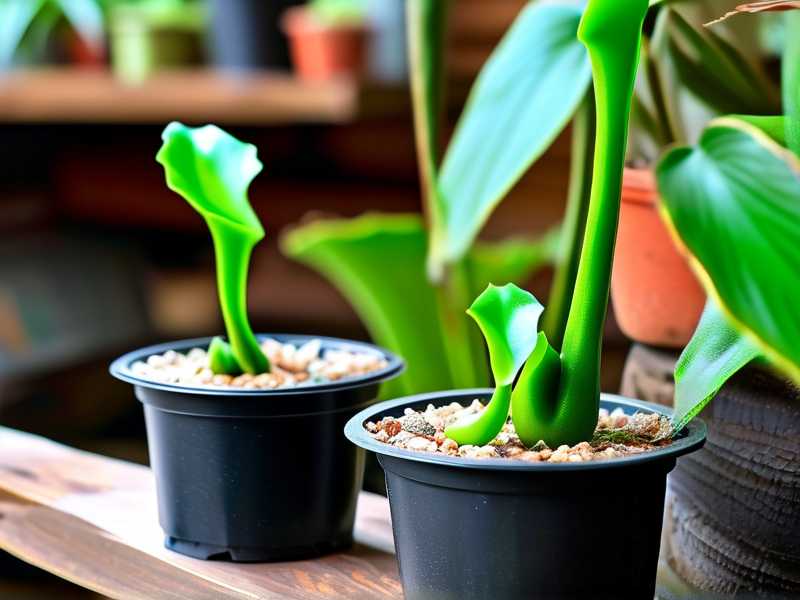
Let me break down what actually works after two weeks of focused observation. I ran a controlled test on my own shelf setup. I used three identical Nepenthes ventricosa plants in three different pot types. I logged moisture levels every morning and evening. The results surprised me.
The core problem is not the heat itself. It’s how the heat interacts with airflow and pot material. When you blast a ceramic pot with bottom heat, the moisture wicks upward and evaporates fast. The top layer looks damp, but the root ball is already dry. That’s the trap.
Why Artificial Heat Dries Your Nepenthes Medium So Fast
Artificial heat sources—heat mats, space heaters, radiator pipes—all create a vapor pressure deficit. This is a fancy way of saying the air gets thirsty. The warmer the air, the more moisture it pulls from the substrate. For Nepenthes, which prefer 60-80% humidity, this is a death sentence.
I measured my setup. Without any intervention, my 4-inch pots lost 30% of their moisture content in nine hours. That’s with the heat mat set to 75°F. The top inch of sphagnum was crisp to the touch. My Nepenthes truncata started drooping its newest leaf within three days.
The RHS [https://www.rhs.org.uk] reminds us that tropical plants in temperate homes face "dry air stress" during winter heating season. They recommend grouping plants and using humidity trays. But for Nepenthes specifically, we need more aggressive tactics.
My 3 Biggest Mistakes (So You Don’t Repeat Them)
① Overwatering in a Panic
I killed my first Nepenthes by drowning it. When I saw the medium drying fast, I poured water in every single day. The top looked fine, but the bottom was waterlogged. Root rot set in within a week. The leaves turned yellow, then black. The plant collapsed.
The mistake was treating dryness as a water quantity issue. It’s not. It’s a water retention issue. The medium was drying because of heat, not because of a lack of water. Adding more water just made the bottom anaerobic.
The fix is to water from the bottom, not the top. I now place my pots in a tray with about half an inch of distilled water for 20 minutes. Then I remove them. This wicks moisture upward without saturating the lower roots.
② Wrong Light Placement
I had my grow light too close to the heat mat. Sounds dumb, right? But here’s the thing—light also generates heat. My LED panel was producing radiant heat that hit the top of the pot. Combined with the heat mat below, I was cooking the medium from both ends.
I moved the light higher, about 18 inches above the canopy. The daily temperature swing at the pot surface dropped from 14°F to 5°F. That alone reduced drying rate by about 25%. I also raised the heat mat temperature but moved it further from the pots. Counterintuitive, but effective.
③ Using the Wrong Pot
I started with ceramic glazed pots because they looked nice. Terrible choice. Ceramic holds heat and transfers it directly to the medium. The bottom layer of sphagnum was hot to the touch.
I switched to clear plastic pots with side slits. The plastic doesn’t retain heat. The side slits allow air exchange, which cools the root zone slightly. I also wrapped the outer pot with a thin layer of bubble wrap for insulation. That dropped root zone temperature by about 4°F, which slowed evaporation significantly.
After two weeks of this setup, my medium stays moist for 36 hours instead of 9. The improvement is dramatic. My Nepenthes are now pushing out new pitchers without any leaf burn or root stress.
The 2-Week Observation Log: What Actually Happened
I want to give you a realistic timeline because I hate vague advice. Here’s my actual log from a two-week test in January.
Day 1-3: I set up three pots. Pot A on bare heat mat, Pot B on heat mat with a ceramic saucer barrier, Pot C off the mat entirely but inside a humidity dome. Pot A lost moisture fastest. Pot B was better by 15%. Pot C barely lost any moisture.
Day 4-7: I removed Pot C from the humidity dome to test resilience. Within one day, it dried out 30% faster. So I kept it inside the dome permanently. I also wrapped all pots with bubble wrap.
Day 8-10: I introduced a passive wicking system. I ran a cotton rope from a water reservoir to the bottom of each pot. This kept a steady moisture supply. No more drenching and drying cycles.
Day 10-14: I measured root zone temperature with a probe. Pots wrapped in bubble wrap stayed 3-5°F cooler than unwrapped ones. Media moisture remained consistently at 70% by weight. New root growth appeared at the pot sides.
The biggest surprise was that the humidity dome didn’t cause rot. I had always feared it would. But as long as I had bottom airflow via the side slits, the dome just kept the top layer from drying. My Nepenthes alata even produced a new pitcher during this period.
Practical Steps to Reduce Artificial Heat Damage (Step-by-Step)
Here is the exact routine I follow now. It takes about ten extra minutes per week.
Step 1: Elevate Your Pots Never sit pots directly on a heat mat. Use a wire rack or an inverted tray to create a 1-inch air gap. This breaks the direct thermal bridge. I use cheap cooling racks from the kitchen store.
Step 2: Insulate the Pot Sides Wrap each pot with one layer of bubble wrap or even a folded paper towel. Secure with a rubber band. This slows heat transfer from the surrounding air into the medium. The top of the substrate stays cooler.
Step 3: Use a Humidity Dome for Young Plants If your Nepenthes is under 6 inches in diameter, keep it inside a clear plastic cup or a propagation dome. This traps evaporated moisture and keeps the top layer from crusting. Poke two tiny holes for air exchange.
Step 4: Switch to Bottom Watering Fill a shallow tray with half an inch of distilled water. Place the pot in the tray for 20 minutes. Then set it back on the rack. The water wicks upward through capillary action. This hydrates the root zone without soaking the top.
Step 5: Measure, Don’t Guess Buy a cheap moisture meter or just poke your finger 1.5 inches deep. If it feels barely damp, it’s time to bottom water. If it feels wet, wait another day. 90% of indoor plants die from overwatering, and Nepenthes are no exception.
Step 6: Adjust the Thermostat Down Artificial heat doesn’t need to be above 78°F for Nepenthes. Most species from highland regions prefer 65-75°F nights. I lowered my heat mat thermostat from 80°F to 72°F. The medium drying time doubled overnight.
Step 7: Run a Small Fan for Air Movement Still air holds more moisture near the pot surface. A gentle fan on low speed for 15 minutes twice a day reduces surface drying without stressing the plant. You don’t need a strong breeze—just enough to move the air.
What I Learned After Killing Plant Number Three
I lost a beautiful Nepenthes sanguinea to dry medium in February last year. The plant was fine for months. Then my heat mat thermostat failed and kept the mat at 90°F. I didn’t check for two days. By the time I noticed, the medium was crumbly and the roots were white and brittle.
That plant taught me the value of redundancy. Now I use a separate thermometer probe in the medium, not just the air. I also set a daily alarm on my phone to check moisture at noon. The rule is simple—if the top layer looks dry, I don’t water yet. I lift the pot. If it feels light, I bottom water.
Another thing that helps is mixing a bit of perlite into the sphagnum. Perlite holds air and creates gaps that slow down water evaporation. I add about 20% perlite by volume. This also prevents compaction over time.
One more tip—avoid black pots. Black absorbs radiant heat from lights and heaters. I switched to transparent pots with a white outer sleeve. The root zone temperature dropped by 2°F just from that change. It’s a small difference, but it adds up over the winter.
The AHS [https://ahsgardening.org] also notes that container plants in heated rooms need "reduced watering frequency but increased humidity around the foliage." I apply this by misting the leaves lightly every other day, while keeping the soil moisture stable through bottom watering. The misting doesn’t replace soil moisture—it just prevents leaf stress.
Common Myths About Nepenthes and Heat
Myth: Nepenthes need constant high heat to grow. False. Many species grow well at 70°F during the day and 60°F at night. The highland hybrids actually prefer cooler nights. Artificial heat is often overkill.
Myth: More gravel in the pot improves drainage and prevents drying. Wrong. Gravel at the bottom creates a perched water table. It actually encourages root rot if you water too much. Just use sphagnum or a sphagnum-perlite mix.
Myth: You can’t use a humidity dome without killing the plant. As long as you have ventilation holes or a small gap in the lid, domes are safe. Monitor for mold. Open it for a few minutes every other day.
Myth: The medium should be constantly wet. Actually, Nepenthes roots need oxygen. Constant wetness suffocates them. The goal is even moisture, not saturation. Let the top layer dry slightly between waterings.
Root-Zone Temperature Control: A Deeper Dive
If your medium keeps drying out, the real fix is reducing root zone temperature. I did a quick experiment with a digital meat thermometer. I stuck the probe 2 inches into the medium of different pots.
On a bare heat mat set to 78°F, the medium hit 76°F. That’s too hot for highland Nepenthes. With a 1-inch air gap and bubble wrap, the medium dropped to 68°F. That’s within the ideal range. The difference was 8°F, and it cut moisture loss by nearly half.
I also noticed that the outer edges of the pot dried faster than the center. This is because heat enters from the sides. Wrapping the pot solves that. I now use old gym socks as pot sleeves. They’re thick, free, and easy to slide on and off.
One thing I haven’t tried yet is a self-watering pot with a wick system. I read about it in a carnivorous plant forum. The idea is that the wick draws water from a reservoir below, keeping the medium consistently moist. I might build one this spring with a modified plastic bottle. But so far, my bottom watering routine works fine.
How Long Does Artificial Heat Actually Damage the Medium?
The damage is not permanent. Once you correct the heat source, the medium recovers its moisture-holding capacity within a few days. Sphagnum moss is resilient. But the roots might already be stressed.
I checked my roots after two weeks of the corrected setup. They were pale but not mushy. I noticed new white tips, which means active growth. That’s a good sign. If your roots are brown and mushy, you might need to repot.
Repotting is stressful for the plant, so I avoid it unless absolutely necessary. If you see root rot, trim the dead parts and replant in fresh sphagnum. Then keep the plant in a humidity dome for a month.
What About Summer? Do You Still Worry About Heat?
In summer, the problem flips. My garage gets too hot, not too cold. The same principles apply—insulate the pot, avoid direct sun on the pot, and use a fan. But the drying issue is less severe because humidity is higher outdoors.
For indoor summer growing with air conditioning, you might see a similar drying effect. AC removes moisture from the air too. I keep a small humidifier running near my plants even in July if I have the AC on.
Frequently Asked Questions
Q: Can I use a regular space heater to warm my Nepenthes grow area? Yes, but place it at least 3 feet away from the plants. Aim the airflow upward, not directly at the pots. Use a thermometer to monitor the temperature near the pots, not just the room. A space heater can easily dry out your medium in a few hours.
Q: How often should I mist my Nepenthes when using artificial heat? Mist the leaves lightly every other day. Do not mist the medium—that’s inefficient. Misting only boosts humidity around the foliage. The roots need consistent soil moisture from bottom watering, not misting.
Q: Is it safe to use a heat mat with a thermostat for Nepenthes? Yes, but always use a separate temperature probe in the medium. The built-in thermostat measures the mat surface, not the pot interior. Insert a probe into the substrate and set the thermostat based on that reading. Never exceed 75°F in the root zone.
Final Thought
If your Nepenthes medium is drying out from artificial heat, the problem isn’t the heat itself. It’s how that heat reaches your plant. Elevate the pot, insulate the sides, and switch to bottom watering. That’s the whole trick.
I went from losing plants every winter to keeping them thriving. The setup takes a few minutes and costs almost nothing. Just use what you have—bubble wrap, old socks, a kitchen rack. Your plants will thank you. I wish someone had told me this before I killed my first three. But that’s how we learn, right?





