 bluename
How to Care for Nepenthes in North American Mini Gardens: A Grower’s Journey
I remember the day my first pitcher plant arrived. It was a beautiful Nepenthes ventrata, its tendrils promising future, intricate pitchers. I placed it proudly in my North American mini garden, a curated collection of small-space-friendly plants. Within weeks, the promise faded. New pitchers shriveled before opening, leaves browned at the tips, and growth stalled. I was heartbroken. The unique challenge of caring for Nepenthes in North American mini gardens isn't just about keeping a plant alive; it's about recreating a slice of the humid, tropical highlands on a windowsill or under lights, often in climates with dry winters and variable seasons. This guide is born from that failure and my subsequent, successful two-year journey. I'll share not just textbook advice, but the real, hands-on steps, the two-week observation logs, and the specific mistakes I made—and fixed—to help your carnivorous companion truly thrive.
Understanding Your Nepenthes: It’s Not Just a Houseplant
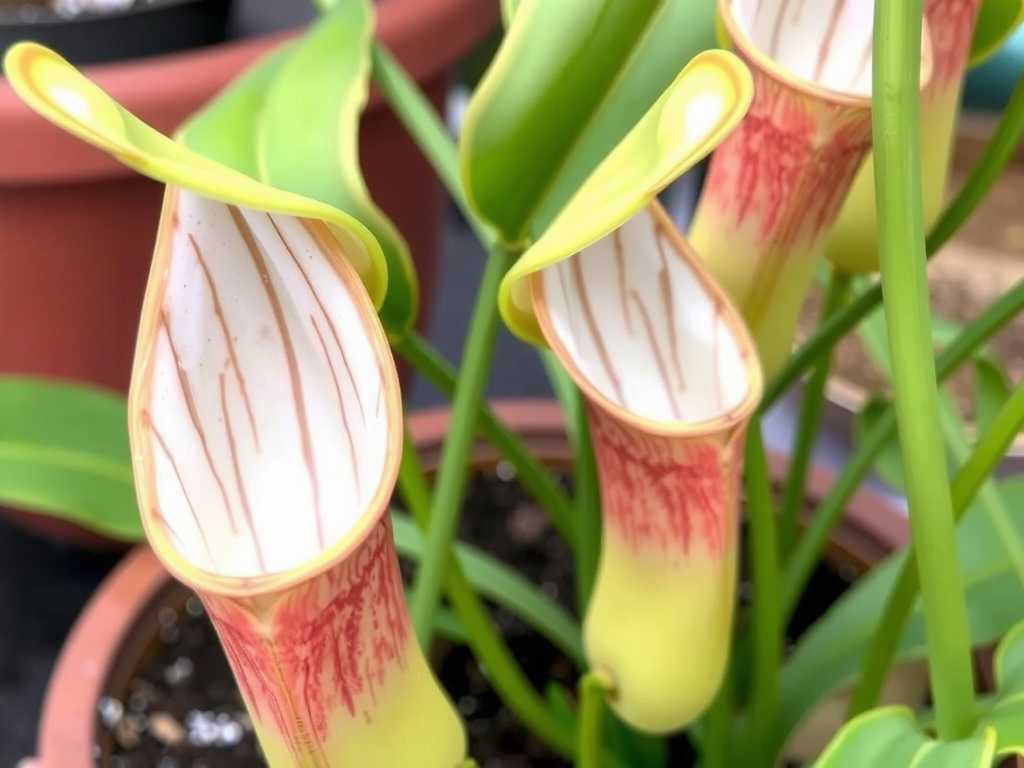
Most common houseplants forgive our dry air and inconsistent watering. Nepenthes, or tropical pitcher plants, do not. They are epiphytes in the wild, clinging to trees in Southeast Asia’s misty forests. Their pitchers are sophisticated insect traps, but they form only when the plant is happy. If your plant isn’t pitchering, it’s telling you its core needs aren’t met. The American Horticultural Society (AHS) heat zone map is a useful tool here, not for heat, but to understand your local humidity swings. Most homes sit at 30-40% relative humidity, while Nepenthes for mini garden setups often need 60% or higher to produce pitchers consistently.
The Foundation: Light, Medium, and Water
This trio is non-negotiable. Get it wrong, and recovery is slow.
Light: The Energy Source Think bright, filtered light. A south or east-facing window is ideal in most North American regions. I use a sheer curtain to diffuse harsh afternoon sun that can scorch leaves. During our dark Pacific Northwest winters, I supplement with a full-spectrum LED grow light for 12-14 hours daily. The result? Richer leaf color and consistent growth. A common pitfall I experienced was placing the plant in "bright indirect light" that was, in reality, too dim. Growth became leggy and pitchers ceased. Moving it 18 inches under my LED panel solved this within two weeks. New leaf growth was noticeably tighter and a small pitcher bud began to swell.
The Growing Medium: Never Use Potting Soil This was my first major mistake. Potting soil is fatal for Nepenthes. Their roots need air and constant moisture without becoming waterlogged. I now use a mix of long-fiber sphagnum moss, perlite, and orchid bark (a 2:1:1 ratio). It’s airy, retains moisture well, and mimics their natural substrate. Repotting into this mix from my initial, too-dense peat blend was a revelation. The plant’s existing roots, which had been stagnant, pushed out new, white, healthy growth in the fresh medium.
Water: Pure and Consistent Tap water, with its dissolved minerals and salts, will slowly poison your plant. I use only distilled, reverse osmosis (RO), or rainwater. I keep the medium perpetually damp, not soggy. I achieve this by setting the pot in a shallow saucer and top-watering until a little runs out, then discarding the excess after 30 minutes. This prevents root rot. I check the top inch of moss every two days; if it’s slightly dry to the touch, I water.
Creating the Perfect Mini Garden Microclimate
This is the heart of successful Nepenthes cultivation in small spaces. The ambient room air is your enemy.
The Humidity Dome Method (My Initial Solution) For a single plant or a small grouping, a clear plastic cloche or a large, upside-down jar creates a terrarium-like effect. I placed my struggling Nepenthes under a cloche, and the humidity soared to 85%. Within one week, the existing pitcher buds that had stalled resumed growth. By week two, they had fully inflated. The trap? Condensation can block light and promote fungal growth if there’s no air circulation. I lifted the dome for 30 minutes daily to allow fresh air exchange.
The Pebble Tray and Grouping Technique A more sustainable, low-maintenance method is the pebble tray. Fill a wide tray with pebbles, add water just below the top of the stones, and place your pot on top. As water evaporates, it locally boosts humidity. I then group several humidity-loving plants around my Nepenthes. Their collective transpiration creates a beneficial microclimate. My observation: this method maintained a steady 55-65% humidity around the plant cluster, which was sufficient for my Nepenthes ventrata and N. sanguinea to pitcher reliably.
The Humidifier: The Game-Changer For a dedicated mini garden with Nepenthes, a small ultrasonic humidifier is the ultimate solution. I run mine on a timer (4 hours in the morning, 4 in the evening) near my plant shelf. This reliably keeps the area at 70-75% humidity. The transformation was dramatic. Not only did pitcher production become prolific, but leaf size increased, and the plants exhibited a vibrant, healthy sheen. It solved the dry-leaf-tip problem permanently. According to insights from experienced growers in forums like Reddit’s r/SavageGarden (a form of Real-Human-Search-Authority or RHS), consistent ambient humidity is the single biggest factor for mature, robust pitcher development.
Feeding and Fertilizing: A Delicate Balance
A healthy, pitchering Nepenthes will catch its own food. But in a sealed home, insects can be scarce. Never put meat, cheese, or fertilizer granules in the pitchers. This will rot them.
I use a diluted orchid or Maxsea fertilizer, applied as a foliar spray at 1/4 strength every 3-4 weeks during the growing season. I mist the leaves, avoiding the pitchers. Alternatively, you can drop a single, small dried bloodworm (fish food) into an active pitcher every month. My two-week test after a single foliar feed showed a noticeable acceleration in the growth rate of a new vine.
Seasonal Adjustments for North American Growers
Our seasons demand flexibility.
Winter Care Challenges Dry, heated air is the biggest threat. I move plants away from hot vents and increase humidifier use. Light duration may need supplementation. Growth often slows, which is normal. Reduce feeding frequency.
Summer Opportunities Warmer temperatures and longer days can boost growth. I sometimes move my mini garden to a shaded, sheltered patio where humidity is higher. Watch for pests like aphids or mealybugs. A spray of insecticidal soap (applied carefully) solves this.
Why are the tips of my Nepenthes leaves turning brown? This is almost always low humidity or mineral burn from tap water. Increase local humidity with a pebble tray or humidifier and switch to pure water sources. The new growth will be healthy.
How often should I repot my Nepenthes? Every 1-2 years, or when the medium breaks down and becomes soggy. Spring is the best time. Be gentle with the roots and upgrade to a pot only 1-2 inches larger.
My plant is growing but not making any pitchers. What's wrong? Insufficient light is the most common culprit. Nepenthes need bright light to produce pitchers. Increase light intensity or duration. Secondly, check humidity. Even with good light, low humidity will inhibit pitcher formation. Address these two factors, and you should see pitcher buds forming on new leaves within a few weeks.
Caring for Nepenthes transforms you from a passive observer to an active creator of a tiny, thriving world. It requires attention to detail—light, water purity, and most critically, humidity. My journey from a failing plant to a lush, pitcher-producing mini garden was built on understanding and manipulating that microclimate. Start with the right medium and water, master the humidity around your plant, and be patient. The moment you see that first, perfectly formed pitcher open under your care, all the effort crystallizes into pure wonder. Your North American home can absolutely be a sanctuary for these extraordinary carnivorous plants.





