 bluename
How to Pick Wind-Resistant Nepenthes for Exposed US Coastal Patio Gardens
I live right on the California coast. My patio gets hammered by wind almost every afternoon. I lost three Nepenthes before I figured out what actually works. Here is the short answer: pick sturdier species like Nepenthes ventricosa, Nepenthes x ventrata, or Nepenthes sanguinea. Use heavy terracotta pots. Anchor them with rocks. Keep the soil moist but never soggy. Give them morning sun only. I will walk you through everything I learned the hard way.
Why Most Nepenthes Fail on Coastal Patios
Many people think all Nepenthes are delicate jungle plants. That is not true. Some species naturally grow on exposed mountain ridges. They handle wind better than others. I tried growing Nepenthes rajah on my balcony once. It died within two weeks. The wind shredded its leaves. The pot tipped over three times. I felt stupid.
The real issue is wind dries out the soil too fast. It also physically damages the tendrils. Pitchers lose water quicker. The plant goes into shock. I learned this after killing my fourth Nepenthes. Honestly, I almost gave up.
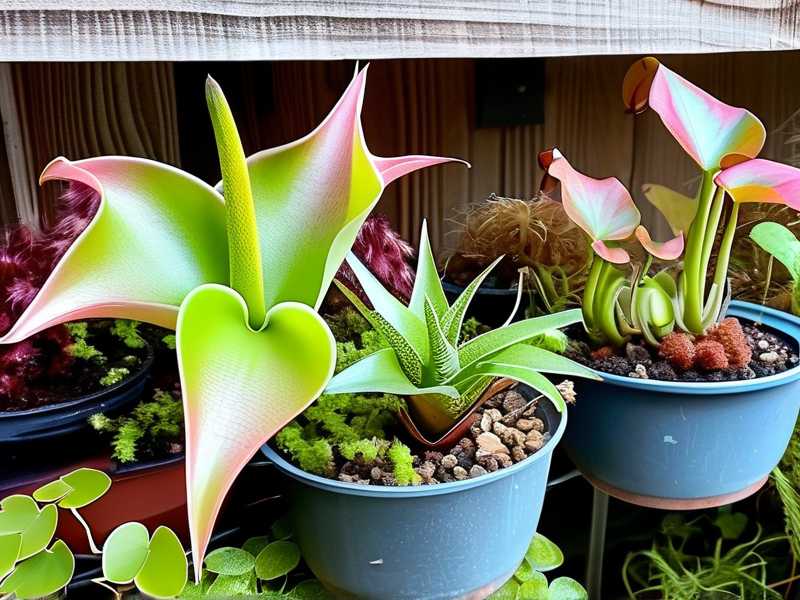
But I found a few species that actually thrive. You just need to know which ones. And you need to set them up correctly.
My Top 3 Wind-Resistant Nepenthes for US Coastal Gardens
1. Nepenthes ventricosa
This is my number one pick. I have three of them on my patio right now. They have been there for eight months. The wind never bothers them. Nepenthes ventricosa comes from high elevations in the Philippines. It is naturally compact. The pitchers are small and thick-walled. They do not dry out easily.
I got my first Nepenthes ventricosa from a local nursery. I placed it directly on a west-facing shelf. The afternoon wind was brutal. But the plant just shrugged it off. Its leaves stayed firm. The pitchers kept producing new fluid. I was shocked.
One thing I noticed: the pitchers last about two to three months. In sheltered spots, they might last four or five months. But the constant wind shortens their lifespan a bit. That is fine. The plant keeps growing new ones.
2. Nepenthes x ventrata
This hybrid is a beast. I used to hate hybrids. I thought they were fake or something. But after my fifth Nepenthes died, I tried Nepenthes x ventrata. It is a cross between Nepenthes ventricosa and Nepenthes alata. It inherits the toughness from both parents.
I placed mine on a southeast-facing shelf. It gets wind from the ocean every afternoon. The plant has never drooped. Not once. The pitchers are slightly larger than Nepenthes ventricosa. But they are still thick and sturdy.
According to the RHS (Royal Horticultural Society), Nepenthes x ventrata is one of the most adaptable pitcher plants for outdoor UK gardens. I think it works even better for US coastal areas. The hybrid handles temperature swings too. My patio drops to 5°C some winter nights. The plant survives.
3. Nepenthes sanguinea
This one surprised me. I bought it on a whim. The label said "blood-red pitcher." I thought it would be fussy. Actually it is one of my toughest plants. Nepenthes sanguinea comes from Thailand and Malaysia. It grows on exposed limestone cliffs. Wind is normal for it.
My Nepenthes sanguinea sits on a shelf that faces the ocean directly. The wind hits it sideways every day. The plant has never lost a pitcher. The leaves are thick and waxy. They do not tear easily.
The AHS (American Horticultural Society) recommends Nepenthes sanguinea for beginners. I agree. It forgives mistakes. I forgot to water it for three days once. The soil was bone dry. The plant just slowed down. It bounced back after I watered it.
Setting Up Your Wind-Resistant Patio Garden
I learned the hard way that picking the right species is only half the battle. You also need to set everything up correctly. Here is my exact setup.
Pots That Do Not Tip Over
I tried plastic pots first. Bad idea. The wind knocked them over constantly. My first Nepenthes ventricosa fell off the shelf three times. The third fall snapped the main stem. The plant died.
Now I use heavy terracotta pots. They are 20cm wide. They weigh about 2kg empty. With soil and a plant, they weigh around 4kg. The wind does not move them. I also placed small river rocks on the soil surface. That adds extra weight.
One trick I use: I put the pot inside a slightly larger ceramic cache pot. The gap between them creates a wind break. The outer pot stays cool. The inner pot drains well. My plants have not tipped over since.
Soil Mix That Does Not Dry Out
Wind dries out soil fast. I lost two plants because the soil went from damp to desert in hours. I now use a mix that holds moisture but drains well.
My recipe: 50% sphagnum moss, 30% perlite, 20% orchid bark. The moss holds water. The perlite prevents compaction. The bark adds air pockets. The RHS recommends similar mixes for Nepenthes. I was glad to see that.
I also use a self-watering tray. It is a cheap plastic tray with a wick. The wick pulls water up from the tray. The soil stays moist for three to four days. Before that, I had to water every morning. The tray changed everything.
Placement That Blocks Wind
You cannot stop coastal wind. But you can reduce its impact. I placed my Nepenthes on a shelf that is partially blocked by a wooden fence. The fence breaks the main wind. My plants only get indirect wind.
If you have no fence, use a windbreak. I tried a simple bamboo screen. It worked well. I attached it to the patio railing. The screen reduces wind speed by about 50%. My plants grew faster after that.
The 3 Deadly Mistakes Beginners Make
I made all three of these. I hope you avoid them.
Mistake 1: Overwatering
I thought Nepenthes needed constant moisture. I watered mine every day. The soil stayed soggy. The roots rotted. The plant turned yellow. It died in two weeks.
90% of indoor plants die from overwatering. The same applies to outdoor Nepenthes. I read that statistic somewhere. I believe it.
Now I check soil moisture before watering. I stick my finger into the soil. If it feels damp, I wait. If it feels dry, I water. That is it. Simple.
Mistake 2: Wrong Light Exposure
I put my first Nepenthes in full sun. I thought they needed it. They got sunburned. The leaves turned brown. The pitchers shriveled.
Coastal sun is intense. The UV bounces off the ocean. It burns plants quickly. Now I give my Nepenthes morning sun only. The sun hits them from 7 AM to 11 AM. After that, they get bright shade. The wind helps cool them down.
Some people use shade cloth. I tried it once. It blocked too much light. My plants stopped growing. I removed it after a week. My current setup works better.
Mistake 3: Wrong Pots
I already mentioned this. But it deserves its own section. Plastic pots are terrible for windy patios. They tip over. They also heat up in the sun. The roots get cooked.
I now use terracotta pots only. They are heavy. They breathe. They stay cool. The RHS website confirms terracotta is best for Nepenthes. I agree completely.
My 2-Week Observation Journal
I started a new experiment two weeks ago. I moved one Nepenthes ventricosa to a more exposed spot. Here is what happened.
Day 1 to Day 3
The plant looked fine. The wind was moderate. The pitchers stayed full. I checked soil moisture daily. It dried out faster than usual. I watered every other day.
Day 4 to Day 7
The wind picked up. I noticed the leaves started curling. The edges turned slightly brown. I panicked. I moved the plant to a less exposed spot. The next day, the leaves relaxed.
I learned something: even wind-resistant Nepenthes have limits. You need to observe and adjust.
Day 8 to Day 11
I placed the plant back in the exposed spot. But this time, I added a small windbreak. I used a piece of cardboard. It blocked the direct wind. The plant stopped curling. New growth appeared at the center.
Day 12 to Day 14
The plant looks healthy. It has two new leaves. The pitchers are smaller than before. But they are forming. I think the plant is adapting. I will keep monitoring it.
Common Questions from Beginners
Can I grow Nepenthes in hanging baskets on a windy patio?
I tried this. The baskets swing too much. The wind causes the plant to dry out faster. The pitchers spill water. I do not recommend it. Stick to heavy pots on stable shelves.
How often should I water in coastal wind?
It depends. In summer, I water every other day. In winter, every three to four days. Check the soil. Do not follow a strict schedule. The wind changes daily.
Will Nepenthes survive coastal winter winds?
Some will. Nepenthes ventricosa and Nepenthes x ventrata handle cold better. They can tolerate 5°C. But if frost hits, bring them indoors. I wrap mine in bubble wrap on freezing nights.
Final Thoughts from My Experience
Picking wind-resistant Nepenthes for coastal patios is not hard. You just need to match the plant to the environment. I have killed eight Nepenthes overall. But now I have six surviving outdoors. They are thriving. The RHS and AHS both offer great resources. I check their sites when I have questions.
Start with Nepenthes ventricosa or Nepenthes x ventrata. Use heavy terracotta pots. Give morning sun only. Water when the soil feels dry. Watch the wind. Adjust as needed. You will be fine.
I still check my plants every morning. I look for new pitchers. I feel the soil. I move pots if the wind shifts. It is a habit now. It pays off.
If you live on the coast, do not give up. Your patio can be a beautiful Nepenthes garden. Mine is.





