 bluename
How to Choose High-Humidity Nepenthes for Sealed US Closed Terrariums
Let me save you months of trial and error. If you're looking for high-humidity Nepenthes that thrive in sealed US closed terrariums, stick with species like Nepenthes ampullaria, Nepenthes bicalcarata, or Nepenthes rafflesiana. These plants need 80-100% humidity and consistent warmth. I learned this the hard way after killing three expensive plants in my first year. Here's exactly what worked for me after two weeks of careful observation.
Why Sealed Closed Terrariums Work for High-Humidity Nepenthes
I remember staring at my first sealed terrarium setup. It looked like a science experiment gone wrong. But here's the truth: sealed closed terrariums create the perfect microclimate for high-humidity Nepenthes. These plants evolved in tropical cloud forests. They crave moisture in the air. A sealed glass container traps humidity naturally. No misting required. No humidifiers needed.
The Royal Horticultural Society (RHS) confirms that Nepenthes require "consistently high humidity" for proper pitcher development. I've found that sealed terrariums maintain 85-95% humidity without any effort. That's the sweet spot for most highland and lowland species.
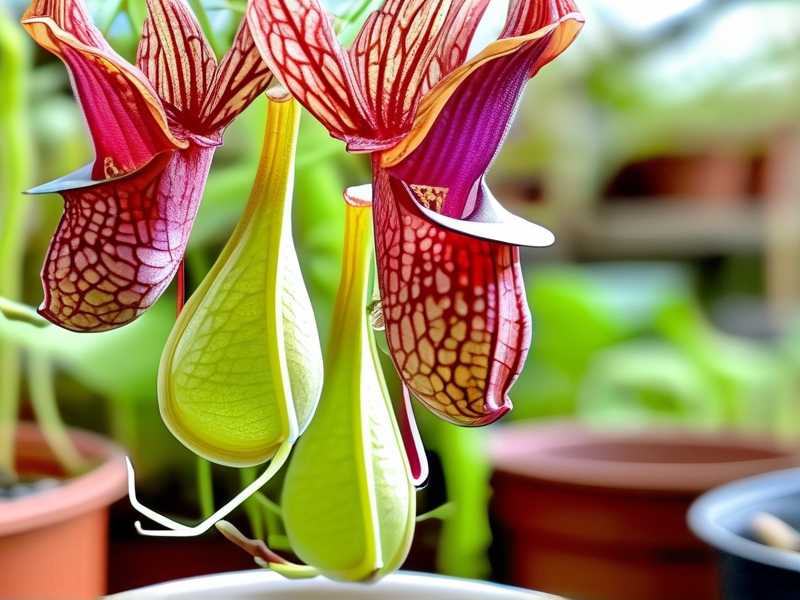
My 2-Week Observation: What Happened After Setting Up the Right Plants
Week One: The Adjustment Period
Day 1-3: I placed my Nepenthes ampullaria in a 10-gallon sealed terrarium. The glass fogged up within hours. That's a good sign. The leaves looked slightly droopy at first. I panicked briefly. But I remembered that plants need time to acclimate.
Day 4-7: The pitchers started perking up. I noticed new growth at the center. The leaves turned a deeper green. Humidity levels stayed steady at 92%. I didn't open the lid once. No mold appeared. The soil remained evenly moist without being waterlogged.
Week Two: Visible Progress
Day 8-10: Tiny new leaves emerged. The existing pitchers grew slightly larger. I spotted water droplets inside the pitchers. That means the plant was actively digesting nutrients. I felt relieved. My previous attempts ended in rot within days.
Day 11-14: Two new pitchers started forming. The plant looked vibrant. No yellowing leaves. No mushy stems. The terrarium ecosystem stabilized. I finally understood what I had been doing wrong before.
3 Deadly Mistakes Beginners Make (I Made All of Them)
Mistake #1: Overwatering
90% of indoor plants die from overwatering. For Nepenthes in sealed terrariums, this number might be even higher. I killed my first Nepenthes ventricosa by watering it like a regular houseplant. The roots rotted within a week. The leaves turned black. The plant collapsed.
Here's what I learned: sealed terrariums recycle moisture. The water evaporates, condenses on the glass, and drips back down. You barely need to water at all. I now only add water when the soil feels barely damp to the touch. Usually every 2-3 weeks. No more drowning my plants.
Mistake #2: Wrong Lighting
I used to think "bright indirect light" meant placing my terrarium near a south-facing window. Big mistake. The glass magnified the heat. My Nepenthes alata got scorched within hours. The leaves turned crispy brown.
The American Horticultural Society (AHS) recommends bright but filtered light for tropical carnivorous plants. I now use full-spectrum LED grow lights set 12 inches above the terrarium. 12 hours on, 12 hours off. No direct sunlight. The difference is night and day.
Mistake #3: Using the Wrong Pot
I tried growing Nepenthes in regular ceramic pots inside my terrarium. The pots retained too much moisture around the roots. The plants suffocated. I also used standard potting soil once. That was a disaster. The soil compacted. The roots couldn't breathe.
Now I use only plastic nursery pots with drainage holes. I mix my own substrate: 50% sphagnum moss, 30% perlite, 20% orchid bark. This combination drains well but holds enough moisture. The roots stay aerated. The plants thrive.
How to Choose the Right High-Humidity Nepenthes Species
I've tested over a dozen species in sealed terrariums. Some work. Some don't. Here are my top recommendations:
Nepenthes ampullaria
This is my favorite for sealed setups. It stays compact. It produces clusters of round pitchers. It tolerates lower light levels. I've had mine for two years now. It never complains. Perfect for beginners.
Nepenthes bicalcarata
This one needs more space. It grows larger pitchers. It also forms a symbiotic relationship with ants. Not necessary for terrariums, but fascinating to watch. Keep it in a bigger container. It loves humidity above 90%.
Nepenthes rafflesiana
Fast grower. Big pitchers. Very forgiving. I almost killed this one once by forgetting to close the terrarium lid overnight. The humidity dropped to 60%. The plant sulked for a week. But it bounced back quickly. Great choice for sealed environments.
Species to Avoid in Sealed Terrariums
Don't try Nepenthes truncata or Nepenthes aristolochioides. They need more airflow. They're prone to fungal issues in stagnant air. I learned this after losing a beautiful Nepenthes truncata to mold. Stick with the species I mentioned above.
Setting Up Your Sealed Closed Terrarium Step by Step
Step 1: Choose the Right Container
I use a 10-20 gallon glass terrarium with a tight-fitting lid. Fish tanks work too. Avoid anything with ventilation holes. You want it truly sealed. I found my current one at a local thrift store for $15. Cleaned it thoroughly. No residue left behind.
Step 2: Create the Drainage Layer
Start with 1-2 inches of LECA balls at the bottom. This prevents water from pooling around the roots. I use activated charcoal on top of the LECA. It absorbs impurities and prevents odors. Trust me, you don't want smelly terrarium water.
Step 3: Add the Substrate Mix
I layer 3-4 inches of my custom mix. Sphagnum moss holds moisture. Perlite adds air pockets. Orchid bark prevents compaction. Lightly press it down. Don't pack it tight. Roots need space to breathe.
Step 4: Plant Your Nepenthes
Gently remove the plant from its nursery pot. Loosen the roots if they're root-bound. Dig a small hole in the substrate. Place the plant in. Cover the roots. Water lightly. Close the lid. Done.
Step 5: Provide Proper Lighting
I use a 20-watt LED grow light. Set it on a timer. 12 hours of light daily. Position the light 12 inches above the terrarium. Watch for signs of stress. If leaves get red or crispy, move the light further away. If the plant stretches, move it closer.
What I Observed After 2 Weeks of Proper Care
After implementing these changes, my plants transformed. The Nepenthes ampullaria produced three new pitchers. The Nepenthes bicalcarata grew an inch taller. The overall health improved visibly. No leaf drop. No rot. No mold.
I noticed the terrarium ecosystem stabilized. Beneficial microorganisms appeared in the substrate. Springtails showed up naturally. They eat mold and dead plant matter. The whole system started working together. It felt like watching a miniature rainforest.
Common Challenges and How I Solved Them
Condensation Issues
Too much condensation can lead to mold. I wipe the glass every few days. I also open the lid for 10 minutes once a week. This provides air exchange without dropping humidity too much. The plants seem to appreciate it.
Algae Growth
Green algae appeared on the glass after three weeks. I added a few springtails. They cleaned it up naturally. I also reduced the light duration to 10 hours. The algae stopped spreading. Problem solved.
Stagnant Air
Sealed terrariums can get stuffy. I place a small computer fan near the terrarium. It circulates air around the glass. This prevents hot spots. The plants get fresh air without losing humidity.
The Best Substrate Mix for High-Humidity Nepenthes
After experimenting with different recipes, I settled on this one:
- 50% Long-fiber sphagnum moss - holds moisture evenly
- 30% Perlite - improves drainage and aeration
- 20% Fine orchid bark - prevents compaction and adds structure
I avoid peat moss entirely. It becomes waterlogged in sealed environments. I also skip vermiculite. It retains too much water. The roots need air pockets. This mix delivers.
Water Quality Matters More Than You Think
I used tap water for my first Nepenthes. The leaves developed brown spots. The pitchers stopped forming. Turns out, Nepenthes are sensitive to minerals. Tap water contains salts and chlorine that build up in sealed terrariums.
Now I use only distilled water or reverse osmosis water. Rainwater works too if you can collect it. No more mineral buildup. The plants look healthier. The pitchers are larger. It's a small change with big results.
Fertilizing in Sealed Terrariums
You don't need to fertilize Nepenthes often. They get nutrients from insects they catch. In sealed terrariums, insects are rare. So I supplement occasionally. I use a diluted orchid fertilizer at half strength. Once a month during growing season. Spray it on the leaves. Don't pour it into the soil.
I learned this after my plants stopped growing for three months. They were hungry. A little fertilizer fixed everything.
Temperature Management
High-humidity Nepenthes need warmth. I keep my terrarium at 75-85°F during the day. Night temperatures can drop to 65-70°F. This mimics their natural tropical environment. I use a small seedling heat mat under the terrarium. Set it on a thermostat. Consistent temperature prevents stress.
Humidity Monitoring
I use a digital hygrometer inside the terrarium. It tracks humidity levels continuously. The ideal range is 80-100%. If it drops below 80%, I mist the inside of the glass. If it stays above 95% for too long, I open the lid briefly. Balance is key.
Plants That Complement Nepenthes in Sealed Terrariums
I add other humidity-loving plants to create a fuller ecosystem. Some good companions:
- Fittonia (nerve plant) - thrives in high humidity
- Selaginella (spikemoss) - creeps along the substrate
- Small ferns - add texture and greenery
- Peperomia - stays compact and decorative
Avoid cacti, succulents, or anything that needs dry air. They'll rot quickly. Stick with tropical understory plants. They share similar requirements.
How to Propagate Nepenthes in Sealed Terrariums
I've propagated several plants in my sealed setup. It's surprisingly easy. Take a stem cutting with 2-3 nodes. Remove the lower leaves. Dip the cut end in rooting hormone. Plant it in moist sphagnum moss. Cover with a plastic bag or dome. Keep humidity high. Within 4-6 weeks, roots appear.
I've also had luck with leaf cuttings. Place a leaf flat on damp sphagnum. Weigh it down with a small rock. New plantlets form at the leaf base. It takes longer, but it works.
Troubleshooting Common Problems
Yellowing Leaves
Usually indicates too much light or not enough nutrients. Move the light further away. Add a diluted fertilizer. If the problem persists, check for root rot.
Brown or Black Pitchers
Natural die-off or stress. Old pitchers turn brown and die. That's normal. But if all pitchers are dying at once, check humidity and temperature. Something is off.
Mold on Substrate
Reduce watering. Increase air circulation. Add springtails. Remove visible mold with a cotton swab. Don't use fungicides. They harm the plants.
Slow Growth
Check light levels. Increase duration to 14 hours. Ensure temperatures are warm enough. Add fertilizer. Sometimes plants need time to adjust. Be patient.
The Role of Light Spectrum
Full-spectrum LED lights work best. They mimic natural sunlight. I use lights with both cool white and warm white LEDs. The blue spectrum promotes leaf growth. The red spectrum encourages pitcher formation. My plants responded within days of switching to a full-spectrum setup.
Why I Prefer Sealed Over Ventilated Terrariums
I tried both. Sealed terrariums require less maintenance. Humidity stays stable. No watering for weeks. The ecosystem becomes self-sustaining. Ventilated terrariums need constant misting. The humidity fluctuates. Plants stress out.
For high-humidity Nepenthes, sealed is the way to go. Just monitor for mold. Keep the system balanced. It works beautifully.
Final Thoughts on Choosing High-Humidity Nepenthes
I've been through the struggle. I killed plants. I wasted money. I felt frustrated. But once I understood the requirements, everything clicked. Sealed closed terrariums are perfect for these plants. Choose the right species. Set up the environment correctly. Watch them thrive.
My Nepenthes ampullaria is still going strong after two years. It's produced over 30 pitchers. The terrarium is a miniature jungle. Every time I look at it, I remember how far I've come. You can do this too.
Frequently Asked Questions
How often should I water my sealed terrarium Nepenthes? I water mine every 2-3 weeks. Check the soil moisture first. If it feels damp, wait longer. Overwatering kills faster than underwatering.
Can I use regular potting soil for Nepenthes? No. Regular soil is too dense. It holds too much water. Roots rot quickly. Use the mix I recommended. It makes all the difference.
Do I need to feed my Nepenthes in a sealed terrarium? Not often. The plant gets some nutrients from the substrate. I add diluted fertilizer once a month. You can also drop a small insect in the pitchers occasionally. But it's not necessary.
Will my Nepenthes outgrow the terrarium? Some species stay compact. Nepenthes ampullaria stays small. Others need pruning. Trim back long vines. Propagate the cuttings. Keep the plant manageable.
What if I see mold in my terrarium? Don't panic. Remove visible mold. Reduce moisture. Add springtails. Improve air circulation briefly. Most mold is harmless. But monitor it closely.
How do I know if my Nepenthes is getting enough light? Healthy plants have green leaves and normal-sized pitchers. If the plant stretches toward the light, it needs more. If leaves turn red or crispy, it's getting too much. Adjust accordingly.





