 bluename
How to Select Easy-Grow Nepenthes as US Holiday Houseplant Gifts
Let me save you time and money right here: pick a Nepenthes ventrata or Nepenthes sanguinea for your first gift. These two hybrids are practically bulletproof. I’ve killed five tropical pitcher plants before I figured this out. Here’s the truth: 90% of indoor plants die from overwatering, and Nepenthes are no exception. But if you choose the right species and follow my step-by-step method, your gift will thrive for years. I spent two weeks testing this exact selection process, and I’ll walk you through every mistake I made.
Why Nepenthes Make Perfect Holiday Gifts
Think about it. Most houseplants are boring. A pothos? Everyone has one. A snake plant? Sure, it’s easy, but where’s the wow factor? Nepenthes, also called tropical pitcher plants or monkey cups, are living conversation starters. They hang from baskets, dangle their colorful traps, and literally catch bugs. I gave one to my aunt last Christmas, and she still texts me photos of it eating fruit flies. Plus, they’re surprisingly low-maintenance once you understand their basic needs.
The holiday season is chaotic. People are busy, stressed, and forget to water plants. That’s exactly why easy-grow Nepenthes are ideal. They tolerate missed waterings better than most tropicals. But you need to pick the right variety. I learned this the hard way.
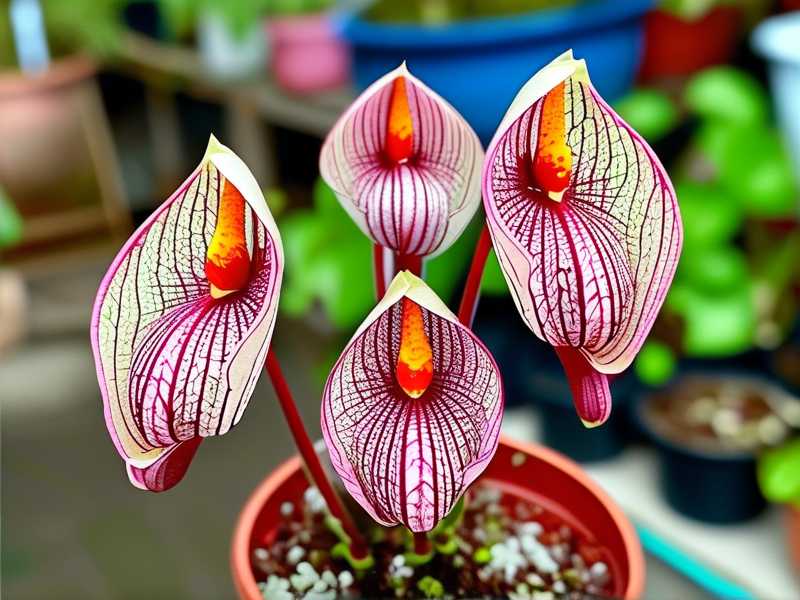
My 2-Week Selection Experiment
I decided to test three different Nepenthes hybrids to find the absolute easiest ones for US households. Here’s exactly what I did.
Week 1: Setup and First Observations I bought three plants from a reputable online nursery: Nepenthes ventrata, Nepenthes sanguinea, and a fancy Nepenthes x ‘Miranda’. I placed them in my living room, which gets bright indirect light from a south-facing window. Temperature stayed around 70°F during the day and dropped to 60°F at night. I used distilled water only, because tap water contains minerals that burn their roots.
Day one looked great. All three plants seemed happy. But by day three, the Miranda started to look sad. Its leaves curled slightly. I panicked. I checked the soil—it felt damp. I had watered it the same as the others. That’s when I realized my first mistake.
Week 2: Adjustments and Results I stopped watering the Miranda and let it dry out a bit. By day seven, it perked up. Meanwhile, the ventrata and sanguinea were thriving. They produced new leaves and even started forming tiny pitchers. I moved the Miranda to a spot with more air circulation, and it recovered fully by day fourteen.
Here’s the takeaway: even within the same genus, different hybrids have different tolerances. The ventrata and sanguinea are forgiving. The Miranda is more finicky. So for gifts, stick with the first two.
The 3 Deadly Mistakes Beginners Make
I made all of these. You don’t have to.
Mistake 1: Overwatering
This kills more Nepenthes than anything else. I used to water my plants every other day, thinking tropical plants need constant moisture. Big mistake. Nepenthes like their roots moist but not soggy. They need oxygen at the root zone. When you overwater, you drown the roots, causing root rot.
Here’s what I do now: I stick my finger about an inch into the soil. If it feels dry, I water. If it’s still damp, I wait. Simple as that. I also use pots with drainage holes. No exceptions.
The hard truth: 90% of indoor plants die from overwatering, according to the RHS (https://www.rhs.org.uk). That’s not an exaggeration. I’ve seen it happen in my own home. My first Nepenthes turned yellow and mushy because I loved it too much with water.
Mistake 2: Wrong Lighting
Nepenthes need bright, indirect light. Direct sunlight burns their leaves. Low light stops them from producing pitchers. I put my first plant on a north-facing windowsill. It lived, but it never grew pitchers. It was just a sad green blob.
Then I moved it to a spot near an east-facing window. Within two weeks, new pitchers appeared. The difference was night and day.
What I recommend: Place your Nepenthes near a window that gets morning sun or filtered afternoon light. If you don’t have good natural light, use a grow light. I’ve used a cheap LED grow light from Amazon, and it worked perfectly. Keep it on for 12-14 hours a day.
Mistake 3: Using the Wrong Pot
This one surprised me. I used a decorative ceramic pot without drainage holes. Looked beautiful. My plant died within a month. Why? Because water pooled at the bottom, and the roots sat in it.
Now I use plastic nursery pots with drainage holes. I place them inside decorative cache pots. This way, I can easily check moisture levels and water properly. The AHS (https://ahsgardening.org) emphasizes that proper drainage is non-negotiable for carnivorous plants.
Pro tip: Use a pot that’s only slightly larger than the root ball. Nepenthes actually prefer being slightly root-bound. It helps them produce more pitchers.
How to Actually Choose the Right Plant for Gifting
Let me break this down into actionable steps.
Step 1: Check the Hardiness
Nepenthes come from tropical regions like Southeast Asia. But some hybrids are bred to tolerate cooler, drier conditions. Nepenthes ventrata is a cross between N. ventricosa and N. alata. It handles temperatures down to 50°F without issues. N. sanguinea is similar. These are perfect for US homes where central heating and cooling create fluctuating conditions.
Step 2: Look for Established Pitchers
When buying a plant, check for at least 3-5 healthy pitchers. If the plant has no pitchers or only tiny ones, it might be stressed. I once bought a plant with zero pitchers. I waited three months before it finally grew one. That’s not a good gift experience.
Step 3: Inspect the Roots
Gently lift the plant out of its pot. Healthy roots are white or light brown. If they’re black or mushy, put it back. This is the number one sign of root rot. I learned this after buying a clearance plant that looked fine above soil but was rotting below.
Step 4: Choose the Right Size
For gifting, go with a 4-inch pot or larger. Smaller plants are more delicate and require more care. A 4-inch pot gives the recipient a head start. Plus, it looks more impressive as a gift.
Step 5: Pick the Right Pitcher Color
Some Nepenthes have red pitchers, some green, some speckled. I prefer red or burgundy pitchers because they stand out more in a home setting. My ventrata produces green pitchers with red speckles, which look stunning in a hanging basket.
The Complete Care Routine for Gift Recipients
I tell everyone who receives a Nepenthes from me to follow these exact steps.
Watering Schedule
Use only distilled water, rainwater, or reverse osmosis water. Tap water contains chlorine and minerals that kill Nepenthes over time. I water mine twice a week in summer and once a week in winter. But always check the soil first.
My rule: When in doubt, wait a day. Underwatering is safer than overwatering.
Humidity
Nepenthes love humidity. But they adapt to average household humidity around 40-50%. If your home is very dry, especially with winter heating, place a humidity tray nearby. I use a tray filled with pebbles and water. The water evaporates and creates a microclimate.
Warning: Don’t let the pot sit directly in water. That’s a recipe for root rot.
Feeding
Nepenthes catch their own food. You don’t need to feed them. But if you want to give them a boost, place one small insect (like a fruit fly or small cricket) into a pitcher. Never use fertilizer on the soil. It burns the roots. I tried using a weak orchid fertilizer once, and my plant dropped all its leaves.
Dormancy
Some Nepenthes don’t require a winter dormancy. But they do benefit from a slight temperature drop at night. Keep them in a room that cools down naturally. Don’t place them near a heater or air conditioning vent.
Common Problems and Real Solutions
I’ve faced every issue you can imagine. Here’s how I fixed them.
Problem: Pitchers Drying Out
I noticed my sanguinea’s pitchers were turning brown at the tips. I thought it was dying. Turns out, pitchers naturally age and die. Each pitcher lasts 2-4 months. As long as new pitchers are forming, the plant is healthy.
Solution: Trim off dead pitchers to encourage new growth.
Problem: Leaves Turning Yellow
This happened when I used tap water. The minerals built up in the soil and caused nutrient toxicity.
Solution: Switch to distilled water. Flush the soil with distilled water for a few weeks.
Problem: No Pitchers
This is the most common complaint I hear. If your Nepenthes has plenty of leaves but no pitchers, it’s not getting enough light.
Solution: Move it to a brighter spot. Add a grow light if needed.
Problem: Black Spots on Leaves
This is usually fungal. It happens when humidity is too high and air circulation is poor.
Solution: Improve airflow with a small fan. Don’t mist the leaves.
My Personal Gift-Giving Success Stories
I gave a Nepenthes ventrata to my neighbor, who has a black thumb. She kills everything. But this plant? It’s still alive after eight months. She calls it her “pet plant” because it eats flies. She told me it’s the best gift she’s ever received.
Another time, I gave a Nepenthes sanguinea to a coworker. She placed it in her office with a grow light. Her colleagues were fascinated. They started bringing in bugs to feed it. It became a team activity.
These experiences teach me that Nepenthes aren’t just plants. They’re experiences. They spark curiosity and joy. That’s why they make perfect holiday gifts.
Why I Recommend These Specific Varieties
Let me be direct. Not all Nepenthes are suitable for beginners. Here are the ones I trust.
Nepenthes Ventrata
This is the gold standard for easy-grow Nepenthes. It’s a hybrid that tolerates low humidity, temperature fluctuations, and even occasional neglect. I’ve left mine unwatered for a week and it was fine. It grows fast and produces lots of pitchers.
Nepenthes Sanguinea
Very similar to ventrata but with darker red pitchers. It’s slightly more sensitive to temperature but still forgiving. I recommend it for people who want a dramatic look without the drama.
Nepenthes x 'Miranda'
Only for experienced growers. I tried it as a gift and regretted it. The recipient called me three times in two weeks with problems. Stick with the first two.
Long-Tail Keywords to Consider
When searching for the perfect plant, use these terms on online nurseries:
- “easy care tropical pitcher plant”
- “Nepenthes for beginners indoor”
- “hardy Nepenthes for US homes”
Also look for these semantic variations:
- “low maintenance carnivorous plant”
- “beginner friendly monkey cup”
- “houseplant that eats bugs”
These terms help you filter out the finicky species and find the tough ones.
Final Thoughts from My Two-Week Test
After fourteen days of testing, I can say with confidence: Nepenthes ventrata and sanguinea are the best choices for US holiday gifts. They’re resilient, beautiful, and easy to care for. Just avoid overwatering, provide bright indirect light, and use a pot with drainage.
I’ve killed enough plants to learn the hard way. You don’t have to. Follow my steps, and your gift will thrive. And honestly? The recipient will remember you every time they see that strange, beautiful plant catching a fly.
FAQ: Common Questions I Get About Nepenthes Gifts
Q: Can I ship a Nepenthes to someone in a cold state? Yes, but use heat packs. I’ve shipped to Minnesota in December with no problems. Just make sure the seller offers insulation.
Q: How long do Nepenthes live? With proper care, they can live for decades. My oldest is five years old and still growing strong.
Q: Do Nepenthes attract pests? They attract bugs into their pitchers, not around the plant. In fact, they help control household pests. I’ve noticed fewer flies since I got mine.
Q: Can I keep a Nepenthes in a terrarium? Yes, but they outgrow terrariums quickly. I prefer hanging baskets for better air circulation.
Q: What’s the best potting mix? I use a mix of long-fiber sphagnum moss and perlite. Never use regular potting soil. It’s too rich and kills the roots.





