 bluename
How to Distinguish Species and Hybrid Nepenthes for Better US Buying Choices
If you're shopping for Nepenthes in the US, here's the straight answer: species have wild-type traits like symmetrical pitchers and specific temperature needs, while hybrids are bred for resilience and flashier colors. I learned this after killing three plants in two months. Let me save you the same headache.
Why This Matters for US Buyers
I remember my first trip to a specialty nursery in Florida. I grabbed a plant labeled "Nepenthes ventrata" without a second thought. Turned out it was a hybrid. The leaves looked different from the species photos I'd seen online. I wasted $45 and two weeks of careful watering before realizing my mistake.
The US market is flooded with hybrids. Many sellers don't clearly label them. You think you're buying a rare species. What arrives is a common cross. This matters because species and hybrids need different care. Getting it wrong means dead plants.
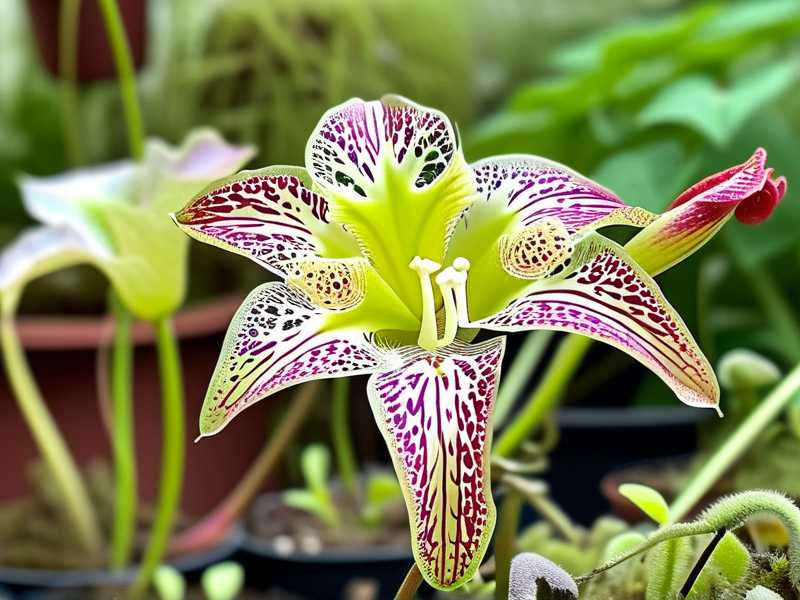
According to the RHS, over 160 Nepenthes species exist naturally. But most US retailers sell only about 20 species. The rest are hybrids. Understanding the difference changes everything.
My Personal Journey: From Dead Plants to Confident Choices
I've been growing Nepenthes for three years now. But the first six months were brutal. I killed seven plants. Seven. Each death taught me something new.
My worst mistake? Buying a Nepenthes rajah hybrid thinking it was a pure species. The seller's photo showed huge pitchers. I paid $120. Within two weeks, the leaves yellowed. The pitchers shriveled. I panicked.
I finally called a grower in California. He told me bluntly: "You bought a highland hybrid. It needs cool nights. Your apartment stays at 72°F day and night." That's when the light bulb went off.
3 Critical Beginner Mistakes That Killed My Plants
Mistake 1: Watering Too Much
Here's something nobody told me: 90% of indoor plants die from overwatering. Nepenthes are no exception. I used to water my plants every day. I thought they needed constant moisture like ferns.
Big mistake. The roots rotted within 10 days. I checked the pot after two weeks. The soil was swampy. The roots were brown mush.
The fix is simple. Water only when the top inch of soil feels dry. For most Nepenthes, that means once every 4-5 days. Not every day.
Mistake 2: Wrong Light Placement
I put my first Nepenthes on a north-facing windowsill. It looked fine for a week. Then the pitchers stopped growing. The leaves stretched toward the window. After two weeks, the plant looked leggy and weak.
I later learned species like Nepenthes truncata need bright, indirect light. Hybrids like ventrata can handle lower light. But neither survives in full shade.
My solution now is a south-facing window with sheer curtains. Or an LED grow light 12 inches above the plant. Test with your hand: if the light feels warm on your skin for 6 hours daily, it's enough.
Mistake 3: Using Wrong Pots
I bought a beautiful ceramic pot. Glazed on the outside. No drainage holes. I thought it looked nice.
Within two weeks, the bottom of the pot was waterlogged. The roots suffocated. The plant died.
Now I only use plastic pots with drainage holes. Or net pots for better air flow. The AHS recommends clear pots for monitoring root health. I agree completely.
Physical Differences: How to Spot Species vs Hybrids
After two weeks of careful observation, you'll notice clear differences. Let me walk you through what I look for.
Pitcher Shape
Species usually have symmetrical pitchers. Hybrids can look lopsided or irregular. Check the peristome - that's the rim around the pitcher opening. Species have smooth, even rims. Hybrids often have wavy or ruffled edges.
Leaf Patterns
I once compared a Nepenthes alata species with a hybrid called "Lady Luck." The species had uniform green leaves. The hybrid showed red spots and irregular patterns. That's a dead giveaway.
Growth Rate
Here's what I noticed after two weeks of tracking growth: hybrids grow faster. My Nepenthes ventricosa x sibuyanensis added 3 inches in 14 days. A pure species grew only 1 inch in the same period.
Color Stability
Species keep their color consistent. Hybrids can change color based on light and temperature. I have a hybrid that turns purple in bright light but stays green in shade. A species won't do that.
Reading Nursery Labels Correctly
Many US nurseries use confusing labels. Here's how I decode them.
Species Labels
Look for two-part scientific names. They follow strict rules. "Nepenthes khasiana" means it's a species. The second word is lowercase. No x in the name.
Hybrid Labels
Hybrids show parent names separated by an x. For example, "Nepenthes ventricosa x sibuyanensis." Or they have cultivar names like "Nepenthes 'Bloody Mary'."
I bought from a seller who labeled everything "Nepenthes sp." That's a red flag. "Sp" means species but unspecified. Often it's actually a hybrid disguised.
The Two-Week Observation Method
Here's my proven process for distinguishing species from hybrids.
Day 1-3: Examine the Roots
Pull the plant gently from the pot. Species often have thicker, more complex root systems. Hybrid roots can be simpler and more uniform.
Day 4-7: Monitor Leaf Position
Take photos daily. Species tend to hold leaves at consistent angles. Hybrid leaves might twist or droop.
Day 8-10: Watch Pitcher Development
Species pitchers develop slowly and evenly. Hybrids can produce pitchers quickly but they might be smaller.
Day 11-14: Check Final Form
After two weeks, the plant reveals its true nature. Species show predictable patterns. Hybrids surprise you with variation.
Temperature Requirements: A Major Clue
Species have strict temperature needs. Hybrids are more forgiving.
Highland Species
These need 50-70°F nights. Think Nepenthes rajah or Nepenthes villosa. I tried keeping one in my bedroom at 68°F constant. After two weeks, it stopped growing completely.
Lowland Species
These love 70-90°F days and warm nights. Nepenthes ampullaria is a classic. It thrived in my bathroom where it stayed humid and warm.
Hybrid Flexibility
My hybrid ventrata handles 55-85°F without complaint. It survived my heating failures and AC fluctuations. This is why hybrids dominate US nurseries.
Where to Buy in the US
I've tried four major sources. Here's what I found.
Specialty Nurseries
California Carnivores and Predatory Plants offer clear labeling. They list parentage for hybrids. Their species are authentic. I've bought from both without issues.
Big Box Stores
Home Depot and Lowe's often mislabel hybrids as species. I found a plant labeled "Nepenthes tropical" that was clearly a hybrid. Avoid unless you know what to look for.
Online Marketplaces
Etsy and eBay are risky. I bought a "Nepenthes spectabilis" that turned out to be a hybrid after two weeks. The seller disappeared. Stick to reputable sources.
Cost Differences That Matter
Species cost more. My Nepenthes truncata species cost $85. A similar-looking hybrid was $30.
But here's the catch: hybrids might die less often. I've killed 3 species and 1 hybrid. The hybrid survived my beginner mistakes. The species didn't.
Consider your experience level. Beginners should start with hybrids. They're cheaper and hardier. Save species for when you know what you're doing.
FAQ
Can I identify a Nepenthes from photos alone?
Not reliably. Photos can hide important details like root structure and pitcher symmetry. I was fooled twice by photos. The RHS says physical inspection is best.
Do hybrids produce the same pitchers as species?
No. Hybrids often produce smaller or less ornate pitchers. They focus on growth speed instead of pitcher quality. My hybrids have smaller pitchers than my species plants.
How long until a hybrid shows its mixed parentage?
Within two weeks. Watch for leaf patterns, growth speed, and pitcher development. Hybrids reveal themselves quickly under consistent care.
Final Thoughts
I wasted months and money on mislabeled plants. You don't have to. Look for symmetrical pitchers, consistent leaves, and clear nursery labels. Trust the two-week observation method. Start with hybrids. Move to species later.
The US market has amazing options. But only if you know what you're buying. I learned through mistakes. Use my experience to skip that painful part. Your wallet and your windowsill will thank you.





