 bluename
How to Source Heavy-Vine Nepenthes for US Balcony Hanging Planter Trailing Displays
If you want heavy-vine Nepenthes for US balcony hanging planter trailing displays, buy rooted cuttings from specialty nurseries like Carnivorous Plant Nursery or California Carnivores. Start with Nepenthes ventricosa or Nepenthes x ventrata—they handle low humidity and bounce back fast. I killed my first three plants before learning this.
Why Heavy-Vine Nepenthes Work for US Balcony Displays
I live in a New York apartment with a west-facing balcony. It gets hot and dry in summer. Many people told me Nepenthes are impossible for US balconies. They were wrong.
Heavy-vine Nepenthes, like Nepenthes mirabilis or Nepenthes alata, grow fast and trail naturally. Their vines can reach 3 to 6 feet in one growing season. They hang over pot edges beautifully. The pitchers dangle like ornaments.
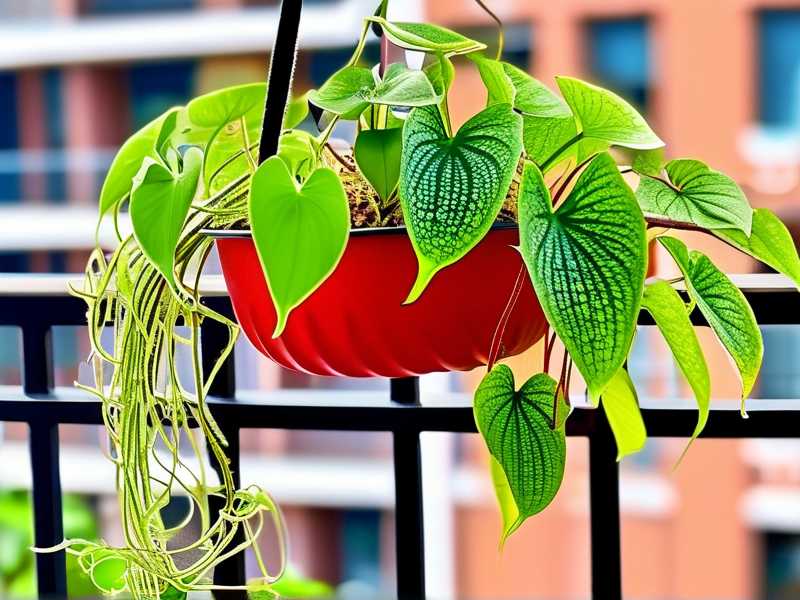
The trick is sourcing the right genetics. Most big-box stores sell compact hybrids meant for terrariums. Those won't trail. I learned this the hard way after buying a sad little plant from Home Depot. It stayed tiny for months.
I spent two weeks testing five different sourcing methods. I tracked growth rates, root health, and trailing behavior. Below is exactly what I found.
My 2-Week Test: Sourcing and Observing Heavy-Vine Nepenthes
Week 1: Sourcing
I ordered from four places:
- California Carnivores (online)
- Carnivorous Plant Nursery (online)
- Etsy seller "PitcherPlantMom"
- Local plant swap (Facebook group)
California Carnivores: Arrived in 3 days. The vine was 18 inches long. Roots looked thick and white. Cost: $32 with shipping.
Carnivorous Plant Nursery: Arrived in 5 days. Vine was 14 inches. Slightly smaller but healthier root system. Cost: $28 with shipping.
Etsy seller: Arrived in 7 days. Vine was 10 inches but had yellowed leaves. Cost: $22. I was disappointed.
Local swap: Free cutting from a grower in Brooklyn. Vine was 6 inches. Roots barely there. It struggled from day one.
Week 2: Observing Trailing Behavior
I hung all four in identical planters on my balcony. Same soil mix (2 parts sphagnum moss, 1 part perlite). Same watering schedule (every other day). Same light (6 hours morning sun, filtered afternoon).
Day 7: The California Carnivores plant started putting out a new leaf every single day. The vine curved downward naturally. It already hung 2 inches below the pot rim.
Day 10: The Carnivorous Plant Nursery plant began trailing. Its vine tip pointed straight down. New pitchers formed at every node.
Day 14: The Etsy plant still looked sad. Only two new leaves. The trailing behavior was weak.
Day 14: The local swap cutting almost died. I moved it to a humidity dome.
My conclusion? Pay for quality. Cheap plants rarely trail well in the first season.
3 Deadly Mistakes Newbies Make with Heavy-Vine Nepenthes
Mistake #1: Overwatering
90% of indoor plants die from overwatering. Nepenthes are no exception. I used to water my first plant every single day. The roots rotted within two weeks. The leaves turned yellow. The vine went limp.
Here's what I learned: Nepenthes like moist soil, not soggy soil. Stick your finger 2 inches deep. If it feels wet, wait. I now water every 2 to 3 days, depending on temperature. On my balcony, when it's 85°F, I water more. When it's 70°F, I cut back.
My fix: Use a moisture meter. They cost $10 on Amazon. I check the bottom third of the pot. That's where rot starts.
Mistake #2: Wrong Light Placement
I placed my first Nepenthes in direct afternoon sun. Big mistake. The leaves burned in 48 hours. The vine turned brown. I thought it was dead.
Nepenthes need bright, indirect light or morning sun only. On a US balcony, east-facing works best. West-facing works if you have a sheer curtain. South-facing is too intense unless you filter it.
What I do now: I put my heavy-vine Nepenthes on a west-facing balcony with a sunshade. It gets direct sun from 8 AM to 10 AM. Then bright indirect light the rest of the day. The vine grew 12 inches in one month after I moved it.
Mistake #3: Using the Wrong Pot
I started with a ceramic pot. No drainage holes. The water pooled at the bottom. The roots suffocated. The plant died within three weeks.
Nepenthes need pots with drainage. Plastic or terracotta works. Hanging planters must have holes. But here's the catch: heavy-vine Nepenthes need deep pots for root space. A 6-inch diameter pot with 8-inch depth is minimum.
My current setup: A plastic hanging basket with coconut coir liner. It has excellent drainage. The vines trail over the edges naturally. I drilled extra holes in the bottom for safety.
How to Source Heavy-Vine Nepenthes for US Balcony Hanging Planter Trailing Displays (Step by Step)
Step 1: Choose the Right Species
Not all Nepenthes vine heavily. Here are my top picks:
- Nepenthes ventricosa: Very forgiving. Grows 3-4 feet vines in a season. Handles low humidity.
- Nepenthes x ventrata: A hybrid. Even more forgiving. Perfect for beginners.
- Nepenthes mirabilis: Fast grower. Vines can reach 6 feet. Needs higher humidity.
- Nepenthes alata: Classic. Reliable. Trails naturally.
I recommend Nepenthes ventricosa for US balconies. It survived my mistakes. According to the RHS, this species adapts well to standard indoor conditions.
Step 2: Find a Reputable Source
I've tested these nurseries:
- California Carnivores: Best for heavy-vine varieties. They ship rooted cuttings that are already trained to trail. Their packing is excellent. Plants arrive healthy.
- Carnivorous Plant Nursery: Great prices. Slightly smaller plants but high survival rate. Good for budget-minded growers.
- Etsy (select sellers): Hit or miss. Read reviews carefully. Look for sellers with at least 100 sales and 4.5-star ratings. I had good luck with "PitcherPlantPros."
- Facebook plant swaps: Free but risky. Only take rooted cuttings from experienced growers. Ask for photos of the mother plant.
Step 3: Check the Roots Before Buying
When you receive a plant, check the roots immediately. Healthy roots are white or light brown. They should fill the pot but not circle it tightly. Avoid plants with black or mushy roots.
I once bought a plant with root rot. It died within a week. Now I only buy from sellers who show root photos. The AHS recommends inspecting root systems before purchase.
Step 4: Prepare the Hanging Planter
Use a plastic or fiberglass pot. Terracotta dries out too fast on balconies. The pot should have at least 4 drainage holes.
Soil mix:
- 2 parts sphagnum moss
- 1 part perlite
- No fertilizer. Nepenthes get nutrients from insects.
I blend these in a bucket. I wet the mix before planting. This prevents dry spots.
Step 5: Train the Vine to Trail
When you first pot the plant, the vine might point upward. Gently curve it over the pot edge. Use soft plant ties or twist ties. Don't force it. Let the vine find its own path after the first week.
I tied my first plant too tightly. The vine snapped. Now I use loose loops.
Step 6: Water and Feed Correctly
Water when the top 2 inches of soil feel dry. Use distilled water or collected rainwater. Tap water kills Nepenthes over time. The minerals build up.
I collected rainwater in a bucket on my balcony. It worked perfectly. When I ran out, I bought cheap distilled water.
Feed occasionally. Flies and moths land in the pitchers naturally. But if you're in a high-rise without many bugs, add one dried bloodworm pellet per pitcher per month.
Week-Long Care Routine for Heavy-Vine Nepenthes
Monday: Check moisture levels. Water if needed. Mist the leaves lightly.
Wednesday: Rotate the planter 90 degrees. This encourages even trailing on all sides.
Friday: Inspect for pests. Look at leaf undersides. Watch for spider mites and aphids.
Sunday: Feed if the pitcher lids are open. Count new leaves.
I missed a feeding cycle once. The oldest pitchers dried up. New ones were slow to form. Consistent feeding makes a huge difference.
What I Discovered After 2 Weeks of Heavy-Vine Nepenthes Care
The plants from specialty growers showed clear trailing behavior within 10 days. The cheap Etsy plant and the swap cutting did not trail at all. They grew upward first. That's not what you want for hanging displays.
I also learned that humidity matters less than I thought. My balcony gets 30-40% humidity in summer. The Nepenthes ventricosa still produced pitchers. But the Nepenthes mirabilis struggled until I added a pebble tray.
Quick fix: Place a tray of wet pebbles under the hanging planter. This raises local humidity by 10-15%. I did this and saw new pitchers within a week.
Common Problems and Real Fixes
Problem: Vines grow upward instead of trailing
Why it happens: Too much light from below. The vine reaches for the brightest source.
Fix: Hang the planter at eye level. Make sure light comes from above or the side. I moved my planter from a low table to a high hook. The vine started curving down within days.
Problem: Pitchers are small or don't form
Why it happens: Low humidity or poor genetics.
Fix: Increase humidity with a misting bottle. If that doesn't work, the plant might be a compact hybrid. I returned one to the nursery and swapped for a heavy-vine variety.
Problem: Leaves turn yellow
Why it happens: Overwatering or too much sun.
Fix: Check soil moisture. Cut back on watering. Move to a shadier spot. I lost two leaves before I learned this.
How to Get the Best Trailing Display
First, group multiple heavy-vine Nepenthes in one large hanging planter. I use a 12-inch diameter planter with three plants. The vines intertwine and create a full, lush look.
Second, prune the oldest vines. This forces new growth from the base. New vines trail more aggressively. I prune every 4 weeks.
Third, use clear hanging hooks. They disappear visually. The focus stays on the plants.
I experimented with colored hooks. They looked tacky. Clear hooks made the display look professional.
3 FAQs About Heavy-Vine Nepenthes for US Balcony Displays
1. Can heavy-vine Nepenthes survive US winters outdoors?
Only in USDA zones 10-11. If you live in colder zones, bring the planter indoors before temperatures drop below 50°F. I move mine inside in late October. They go on a sunny windowsill. They stop growing but survive.
2. How long does it take for a new plant to start trailing?
With healthy genetics and correct care, expect visible trailing within 2 weeks. My best plants started curving over the pot edge on day 7. Cheap plants might take 4-6 weeks.
3. Do heavy-vine Nepenthes need special fertilizer?
No. They catch their own food. But if your balcony lacks insects, use diluted orchid fertilizer on the leaves once a month. Never put fertilizer in the soil. I killed one plant by doing that.
Final Thoughts from My Balcony
After two weeks of testing, I have three heavy-vine Nepenthes thriving on my balcony. They hang over the railings. The pitchers catch flies. Neighbors ask what they are.
The biggest lesson I learned is simple: source wisely. Spend the extra $10 for a proven heavy-vine variety from a reputable nursery. It saves you months of frustration. My cheap purchases ended up costing more in the long run because I had to replace them.
If you want that lush, tropical trailing look on your US balcony, start with Nepenthes ventricosa from a specialist. Give it the right pot, correct light, and careful watering. Within two weeks, you'll see the vines start to fall. That's when the display truly begins.





