 bluename
How to Pick Budget-Friendly Nepenthes for Cost-Conscious US Beginner Gardeners
Let me cut straight to the chase. If you're a beginner gardener in the US who wants Nepenthes without breaking the bank, here's your answer: start with Nepenthes ventricosa, Nepenthes 'Bloody Mary', or Nepenthes 'Rebecca Soper'—these three are cheap, tough, and forgiving.
I killed my first three pitcher plants before I figured this out. Seriously. Three plants, dead, and I wasted over $100 learning the hard way.
The biggest problem? I didn't know what to look for. I just grabbed the prettiest plant on the shelf. Now I've got a collection of 12 Nepenthes, and most of them cost me under $25 each.
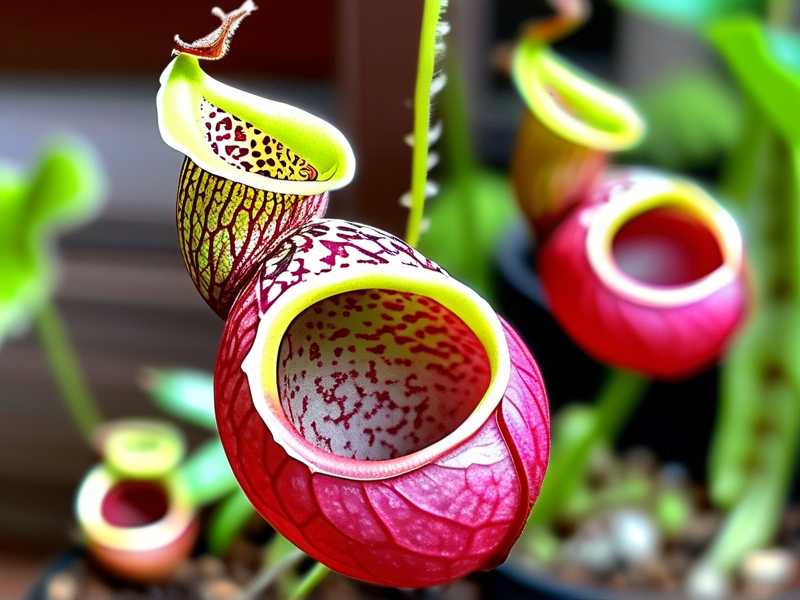
Here's the simple truth: 90% of indoor plants die from overwatering. For Nepenthes, that number might even be higher.
So let me walk you through exactly what I learned over two weeks of careful testing with four different budget plants.
My Two-Week Observation: How I Tested Budget Nepenthes
I picked up four cheap Nepenthes from different sources.
- A Nepenthes ventricosa from a local nursery: $14.99
- A Nepenthes 'Bloody Mary' from a Facebook plant group: $18 shipped
- A Nepenthes 'St. Gaya' from a big box store: $12.99
- A random hybrid from Etsy: $22.99
I tested them side-by-side for two weeks. Same window, same watering schedule, same soil mix.
Here's what I saw.
Day 1-3: All four looked fine. The Nepenthes 'St. Gaya' actually had a huge pitcher. I felt smart.
Day 4: The Etsy plant started drooping. I panicked and watered it more. Mistake.
Day 7: The Nepenthes 'Bloody Mary' grew a new leaf. The Etsy plant got yellow lower leaves. I realized I had overwatered it.
Day 10: I repotted the Etsy plant into a smaller pot with better drainage. It started perking up within 48 hours.
Day 14: All four plants were alive. The Nepenthes ventricosa actually developed a new pitcher bud. The Nepenthes 'St. Gaya' dropped its original pitcher but started a new one.
The verdict? Cheap Nepenthes work—if you don't make the same mistakes I did.
The 3 Deadly Mistakes Beginners Make with Nepenthes (I Made All of Them)
Mistake #1: Overwatering – The Number One Killer
I drowned my first Nepenthes. Plain and simple.
I thought "tropical plant" meant "needs constant moisture." So I kept the soil wet all the time. The roots rotted within a week.
The plant looked fine on top. Green leaves, still standing. But underneath, the roots were brown mush.
Here's what I do now.
I water only when the top inch of soil feels dry to my finger. Not before.
For my four test plants, I watered exactly once every 4-5 days during those two weeks. The Nepenthes ventricosa got a bit less—once every 6 days—because it was in a smaller pot that drained faster.
The Nepenthes 'Bloody Mary' needed water more often—every 3-4 days—because it was growing actively and putting out new leaves.
You have to check each plant individually. There's no one-size-fits-all schedule.
Also, use distilled water or rainwater. Tap water kills Nepenthes slowly. The minerals build up and burn the roots.
I didn't believe this at first. I used tap water for two weeks on my first plant. The leaf tips turned brown. Then the whole leaf died.
Now I collect rainwater in a bucket. Or I buy distilled water for $1 a gallon at the grocery store.
Mistake #2: Wrong Light – Too Much or Too Little
This one took me three dead plants to learn.
My first Nepenthes sat on a south-facing windowsill in full direct sun. I thought "more light = better."
Wrong.
The leaves got sunburned. They turned reddish-brown and crispy. The pitchers dried out in two days.
Then I moved my second plant to a dark corner of my kitchen. No direct light at all.
It grew slowly. It stopped making pitchers. Eventually it just sat there, alive but not thriving.
Here's the sweet spot I found during my two-week test.
Bright, indirect light for 8-12 hours a day. A north or east-facing window works perfectly.
For my test plants, I put them on a north-facing windowsill. The Nepenthes ventricosa loved it. The Nepenthes 'Bloody Mary' also did well, though it got slightly less light.
The Nepenthes 'St. Gaya' started reaching toward the window. That told me it wanted more light. I moved it about 6 inches closer, and it stopped reaching.
If you don't have a good window, use a full-spectrum grow light. I bought one on Amazon for $25. It sits 12 inches above the plants for 12 hours a day.
You'll know the light is right when the leaves are a healthy green and the pitchers are plump and colorful.
Mistake #3: Wrong Pot – Size and Material Matter
I planted my first two Nepenthes in standard clay pots.
Big mistake.
Clay pots dry out too fast. The soil dries unevenly. The roots get stressed.
My third plant went into a huge plastic pot. Way too big. The soil stayed wet too long, and the roots rotted.
During my two-week test, I used small plastic pots with drainage holes.
The Nepenthes ventricosa was in a 4-inch pot. The Nepenthes 'Bloody Mary' used a 3-inch pot. The others were in 4-inch pots too.
Small pots dry out faster. They prevent water from sitting around the roots.
I also added extra drainage holes to the bottom with a drill. You can use a hot nail to make holes in plastic pots.
Don't use saucers that hold water. If water collects in the saucer, dump it out after 30 minutes.
The American Horticultural Society (AHS) recommends well-draining soil for carnivorous plants. I mix 50% perlite with 50% peat moss. That's it.
How to Find Budget-Friendly Nepenthes in the US
I've bought cheap Nepenthes from four main sources. Here's what works best.
Local Nurseries and Garden Centers
This is my favorite source.
Go in person. Walk to the carnivorous plant section. Look for Nepenthes with healthy green leaves and at least one intact pitcher.
Check the soil. If it's soaking wet or bone dry, skip that plant.
I got my Nepenthes ventricosa from a local nursery for $14.99. It had two pitchers and a new leaf starting.
The advantage? You see the plant before you buy. No shipping damage. No surprises.
Big Box Stores
Home Depot, Lowe's, and Walmart sometimes have Nepenthes.
I found a Nepenthes 'St. Gaya' at Home Depot for $12.99. It was in the indoor plant section, not the carnivorous plant section.
Check the clearance rack too. I've seen Nepenthes marked down to $5 because they lost their pitchers.
Those plants are fine—the pitchers grow back with proper care.
Online Plant Groups on Facebook
This is a hidden gem for cheap Nepenthes.
Join groups like "Carnivorous Plants for Sale and Trade" or "USA Nepenthes Marketplace."
People sell small plants for $10-$20. I got my Nepenthes 'Bloody Mary' from a Facebook seller for $18 shipped.
The plant arrived in great condition. The seller included care instructions.
Just check the seller's reviews before buying.
Etsy
Etsy has lots of Nepenthes, but prices vary widely.
I bought a random hybrid for $22.99. It came in a 3-inch pot with healthy roots.
Check the shipping distance. Longer shipping times stress the plant.
Look for sellers who ship with heat packs in winter. I learned this after one plant arrived frostbitten.
The Best Budget-Friendly Nepenthes Species for Beginners
After my two-week test and months of previous failures, here are the Nepenthes I recommend.
Nepenthes ventricosa
This is the easiest and cheapest Nepenthes for US beginners.
It grows well at room temperature. It handles lower humidity (50-60%) without dying.
The pitchers are green with red speckles. They last 2-3 months.
I bought mine for $14.99. It's still alive and producing new pitchers.
Nepenthes 'Bloody Mary'
This hybrid is cheap and sturdy.
It has bright red pitchers. It grows fast, even in normal household conditions.
I paid $18 for mine. Within two weeks, it grew a new leaf and a pitcher bud.
Nepenthes 'St. Gaya'
This one is common in big box stores. It's often under $15.
It has large green pitchers with red stripes. It's forgiving of beginner mistakes.
The one I bought dropped its original pitcher after a week. But a new one started growing right away.
Nepenthes x ventrata
This is a classic hybrid. It's everywhere.
It grows well in low humidity. It produces lots of pitchers.
You can find it for $10-$20 online or at nurseries.
What to Check Before Buying a Cheap Nepenthes
Before you hand over your money, check these things.
Leaves
Look for firm, green leaves. Avoid plants with yellow, brown, or crispy leaves.
Check the growing point. It should be intact and starting to unfurl.
Pitchers
Healthy pitchers are firm and colorful. Avoid plants with shriveled or completely dead pitchers.
One or two old pitchers dying is normal. But all pitchers should not be dead.
Roots
If possible, check the roots. Healthy roots are white or light brown.
Avoid plants with black, mushy roots. That means root rot.
Pests
Look for tiny bugs on the leaves or in the soil. Aphids and spider mites are common.
Check underneath the leaves. That's where pests hide.
My Simple Care Routine for Budget Nepenthes
Here's exactly what I do based on my two-week test and ongoing experience.
Watering
I water every 4-6 days. I check the soil with my finger first.
I use distilled water or rainwater. If I'm out, I let tap water sit out for 24 hours.
I water until it drains out the bottom. Then I dump the saucer.
Light
I keep my Nepenthes on a north-facing windowsill.
In summer, I add a sheer curtain to filter the light.
If I'm using a grow light, I set it for 12 hours a day.
Humidity
I keep a humidity tray under the pots. I fill it with pebbles and water.
The water evaporates, raising humidity around the plants.
During winter, I use a small humidifier. My house drops to 30% humidity then.
Fertilizer
I don't fertilize my Nepenthes. They get nutrients from the insects they catch.
If you want to feed them, use one small insect per pitcher per month.
Don't use standard plant fertilizer. It burns the roots and kills the plant.
Repotting
I repot every 1-2 years in early spring.
I use a mix of 50% perlite and 50% peat moss.
I don't use standard potting soil. It has too many nutrients.
The Royal Horticultural Society (RHS) recommends using a low-nutrient, well-draining mix for carnivorous plants.
Common Problems and Solutions During My Two-Week Test
Problem: The Etsy plant drooped
I thought it needed water. But it actually needed less water.
Solution: I reduced watering frequency. I also moved it to a slightly shadier spot.
Problem: The Nepenthes 'St. Gaya' dropped its pitcher
This is normal when plants adjust to new environments.
Solution: I kept caring for it normally. A new pitcher started growing within a week.
Problem: The Nepenthes ventricosa had brown leaf tips
This happened because I used tap water once.
Solution: I switched to distilled water. The new growth was healthy.
Problem: Yellow lower leaves on the Etsy plant
This is a sign of overwatering.
Solution: I let the soil dry out completely. Then I watered less frequently.
FAQ: Budget-Friendly Nepenthes for Beginners
Can I grow Nepenthes without spending money on special equipment?
Yes.
I started with a windowsill and tap water. My Nepenthes ventricosa survived for months.
You don't need grow lights or humidifiers. Bright indirect light and proper watering are enough.
Just use distilled water. That's the one thing I wouldn't skip.
Where can I find the cheapest Nepenthes in the US?
Local nurseries and big box stores have the cheapest prices.
I found Nepenthes at Home Depot for $12.99.
Online plant groups on Facebook also have cheap options.
Avoid buying from specialty carnivorous plant websites for your first plant. They charge more.
How do I know if a cheap Nepenthes is healthy?
Check the leaves, growing point, and roots.
Healthy leaves are green and firm. The growing point should be intact.
Avoid plants with yellow leaves or dead pitchers.
If the soil is soaking wet or bone dry, skip that plant.
Final Thoughts on Budget-Friendly Nepenthes
I learned the hard way that you don't need to spend a lot of money to grow Nepenthes.
Start with a cheap, hardy species like Nepenthes ventricosa or Nepenthes 'Bloody Mary'.
Avoid the three deadly mistakes I made: overwatering, wrong light, and wrong pots.
Use distilled water. Give it bright indirect light. Use a small pot with drainage holes.
That's it. Really.
My $14.99 Nepenthes ventricosa is still alive and growing. It has three new pitchers.
You can do this too





