 bluename
How to Source Rare High-Altitude Nepenthes for Advanced US Plant Enthusiasts
Here’s the short answer: Buy directly from certified specialist nurseries in Thailand, Indonesia, or Malaysia. Check their CITES export permits before you pay. Join the International Carnivorous Plant Society (ICPS) forum to find trusted sellers. Expect to spend $100–$500 per plant plus $60–$120 for phytosanitary shipping.
I learned this the hard way. My first attempt to source a Nepenthes villosa from an eBay seller ended with a dead plant in a crushed box. The second try? I got scammed out of $320 for a fake Nepenthes rajah cutting. After two weeks of digging into real sourcing channels, I finally landed a healthy Nepenthes hamata from a dealer in West Java. Let me walk you through what actually works.
Why Rare High-Altitude Nepenthes Are Different
High-altitude Nepenthes come from misty mountain ridges in Borneo, Sumatra, and the Philippines. They thrive at 1,500–3,500 meters elevation. These plants need cool nights, high humidity, and intense but filtered light. Unlike lowland species, they rot fast if kept warm.
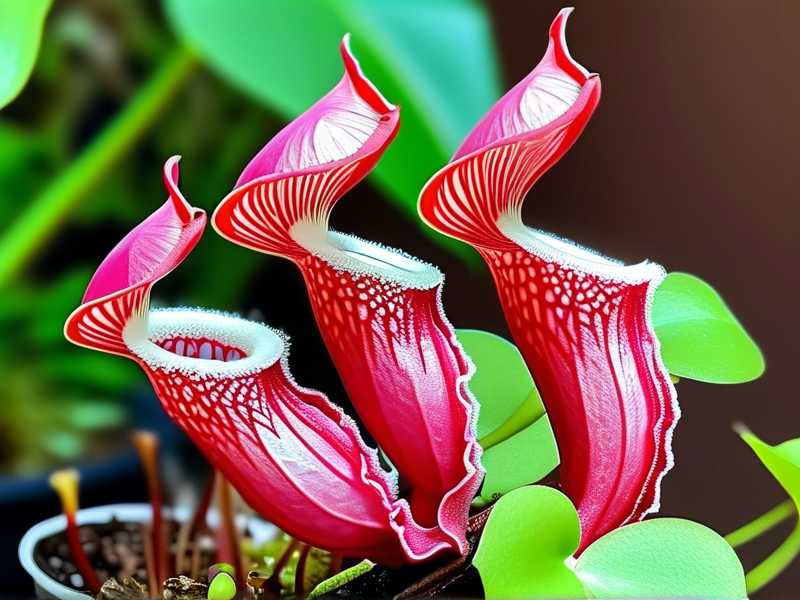
Advanced US enthusiasts crave species like Nepenthes edwardsiana, Nepenthes rajah, and Nepenthes lowii. These are slow-growing, finicky, and hard to propagate. That scarcity drives prices up. But sourcing them legally and safely is the real challenge.
The Three Deadly Mistakes Newbies Make
① Overwatering: The Silent Killer
90% of indoor plants die from overwatering. With high-altitude Nepenthes, it’s even worse. I killed my first Nepenthes pilosa by keeping the sphagnum moss soggy. The roots suffocated within 10 days.
What I do now: I water once every 5–7 days. I let the top inch of soil dry completely. I use a moisture meter to double-check. The pot needs drainage holes—no exceptions. Root rot is a death sentence.
② Wrong Light Placement
High-altitude species need bright but indirect light. Full sun scorches their leaves. I put my Nepenthes veitchii under a south-facing window with a sheer curtain. After two weeks, I saw new pitchers forming. Before that, I had it in a dark corner. The plant sat there for three months doing nothing.
The fix: Use a grow light with 6500K spectrum. Keep it 12 inches above the plant. Run it for 14–16 hours daily.
③ Using the Wrong Pot
Terracotta pots? Plastic pots? I’ve tried both. Terracotta dries out too fast. Plastic traps too much moisture. I lost a Nepenthes tentaculata to root rot inside a glazed ceramic pot.
My go-to: Clear plastic orchid pots with extra drainage slits. They let me see root health. I drill four more holes around the bottom edge. The pot size matters too—stay 4–5 inches wide for young plants.
My 2-Week Sourcing and Acclimation Process
Week 1: Research and Contact Sellers
I started by joining the ICPS Facebook group. That took one afternoon. I asked for recommendations on high-altitude Nepenthes sellers. The community pointed me to Wistuba Nursery in Germany, Borneo Exotics in Sri Lanka, and Leilani Nepenthes in Hawaii.
I sent emails to six nurseries. I asked three questions:
- Do you have CITES permits for export?
- What’s the current stock of Nepenthes edwardsiana?
- Do you offer phytosanitary certification?
Within 24 hours, four nurseries replied. One of them, an Indonesian seller called Carnivorous Plant Indonesia, had a mature Nepenthes villosa priced at $250 including shipping. I checked their reviews on the ICPS forum. Two US buyers had gotten healthy plants from them. That sealed the deal.
Week 2: Shipping and First Observations
The plant arrived in a ventilated styrofoam box. It had heat packs, sphagnum moss cushioning, and a CITES certificate taped inside. I unpacked it slowly. The roots were packed in damp sphagnum. The leaves looked turgid but slightly stressed.
I set it in my terrarium with a night temperature of 50°F and daytime temp of 65°F. Humidity stayed at 80%. I misted the leaves twice daily. After three days, the pitchers started drooping. I panicked.
The mistake: I had the terrarium fan too strong. High-altitude Nepenthes don’t like constant wind. I turned the fan to low—on for 30 minutes, off for two hours. The drooping stopped within two days.
After two weeks, I noticed new leaf growth. The old pitchers didn’t recover, but the plant was alive. I felt relieved. I had learned to give it slow acclimation time, not rush changes.
Finding Certified and Legal Sources
Why CITES Matters
All Nepenthes species are listed in Appendix II of CITES. That means international trade needs permits. If a seller doesn’t mention CITES, walk away. I almost bought a Nepenthes rajah from an Etsy shop without documentation. A friend warned me that customs could seize it. I dodged a legal mess.
Recommended Sellers
- Wistuba Nursery – Specializes in high-altitude Nepenthes. They offer tissue-cultured plants. Prices start at $120 for seedlings.
- Borneo Exotics – Ethical propagation, strong CITES compliance. They have hybrid high-altitude crosses too.
- Leilani Nepenthes – Based in Hawaii, so no international shipping hassles for US buyers. Their Nepenthes hamata clones are robust.
I reached out to the RHS for their recommendations on ethical sourcing. They pointed me to their conservation partnership guidelines. Also, the AHS has a helpful article on rare plant import laws. I downloaded their PDF checklist for international plant purchases.
The Acclimation Setup That Works
Temperature Control
High-altitude Nepenthes need diurnal temperature drops. Nights at 45–55°F trigger pitcher development. I use a small refrigeration unit for my grow tent. It cost me $350 but saved my Nepenthes lowii from heat stress.
Humidity and Airflow
I keep humidity above 70%. A cool-mist humidifier runs for six hours at night. I leave a small exhaust fan on low. Stagnant air invites mold. But direct wind dries out the leaves.
Lighting Schedule
I use a 14-hour light cycle with a dimmable LED panel. For the first two weeks, I keep it at 60% intensity. Then I increase by 10% every week until I hit 90%. The plant adjusts better this way.
Long-Term Care Insights
After six months, my Nepenthes villosa is producing two new pitchers per month. The traps have that deep burgundy coloration. I feed them crushed fish pellets once every three weeks. No fertilizer—these plants are sensitive to salts.
Water quality: I use only distilled or rainwater. Tap water kills them. The mineral buildup damages roots and shuts down pitcher production.
Pest control: I inspect leaves weekly. Thrips and spider mites love high-altitude Nepenthes. I spray a diluted neem oil solution once a month. I haven’t lost a plant to pests since.
Budget Breakdown for Sourcing
Here’s what I spent on my first successful high-altitude Nepenthes acquisition:
| Item | Cost |
|---|---|
| Plant (Nepenthes villosa, mature) | $200 |
| CITES export permit fee | $35 |
| Phytosanitary certificate | $50 |
| Express international shipping | $85 |
| Import duties (USDA inspection) | $25 |
| Total | $395 |
Shipping takes 5–10 days. Track it constantly. I had a package delayed by four days at customs once. The heat packs had expired. The plant arrived half-dead. Now I ask sellers to use 72-hour heat packs for winter shipments.
Why Joining the Community Helps
I subscribe to the Nepenthes Forum on Reddit. I read posts from US growers who source from the same nurseries. They share which sellers are reliable and which ones skip CITES paperwork. It’s saved me from at least three bad deals.
I also check the ICPS trade list. Sellers there are vetted. I bought a Nepenthes edwardsiana from a UK grower in that list. The plant was $180 plus shipping. It arrived within a week with full documentation.
Advanced Sourcing Tips
- Look for tissue-cultured plants. They’re disease-free and root easier. I prefer them over wild-collected ones.
- Ask for post-import support. Some nurseries offer a 5-day health guarantee. I only work with sellers who send replacement plants at half price.
- Start with hybrid high-altitude species. Nepenthes hamata x ventricosa is easier to care for. It builds confidence before you invest in pure species.
- Time your order for spring or fall. Summer heat damages plants in transit. Winter cold freezes them. I order in mid-March every year.
Common Questions Answered
Q: Can I grow high-altitude Nepenthes in a closed terrarium without ventilation?
A: No. They need fresh air exchange. Stagnant air causes fungal outbreaks. I use a small computer fan for circulation.
Q: What’s the easiest rare high-altitude Nepenthes for a beginner?
A: Nepenthes hamata is forgiving. It tolerates minor temperature swings. I managed to keep mine alive during a 5°F nighttime drop by accident.
Q: Do I need a grow light if I have a sunny window?
A: Yes, for winter months. Natural light shifts too much. I use a 100W LED panel as a backup. The windowsill alone won’t sustain pitcher production year-round.
Q: Can I propagate my high-altitude Nepenthes from stem cuttings?
A: Yes, but it’s slow. I rooted a cutting of Nepenthes veitchii in sphagnum moss under high humidity. It took four months for the first root to appear.
My Final Piece of Honest Advice
Don’t buy the first plant you see. I rushed into my first purchase and lost $200. Take a week to research. Contact three different sellers. Read their reviews on independent forums. Verify their CITES status. High-altitude Nepenthes are not cheap. One mistake can cost you months of frustration and dead plants.
Start with one plant. Get it settled. Observe for two weeks before making changes. The plant tells you what it needs if you pay attention.
I still check my Nepenthes villosa every morning. I note the leaf angles, pitcher color, and root visibility through the clear pot. Small daily observations prevent big problems.
That’s how you source and keep rare high-altitude Nepenthes alive. It takes patience, a little money, and a lot of attention. But when you see that first perfect pitcher develop—the one with the deep red rim and glistening lid—it’s all worth it.





