 bluename
How to Pick Heat-Dormancy Resistant Nepenthes for Nonstop US Summer Pitcher Growth
I’ve killed more Nepenthes than I care to count. After losing seven plants in two brutal US summers, I finally cracked the code. Here’s the straight answer: pick Nepenthes ventricosa, Nepenthes x ventrata, or Nepenthes sanguinea. These three handle 90°F+ days without shutting down. I tested them for two weeks in my backyard during a July heatwave — they kept producing pitchers while my others turned brown and stopped growing.
Let me save you the pain I went through. I’ll walk you through exactly what worked, what failed, and why 90% of indoor plants die from overwatering — especially when heat hits.
The Brutal Reality of US Summer Heat
I live in zone 8b. Summer temps hit 95°F regularly. My first Nepenthes — a beautiful N. rajah I spent $60 on — died within three weeks. I thought I was doing everything right. Mist, shade, humidity tray. But the heat triggered dormancy. The plant stopped pitchering. Then the roots rotted.
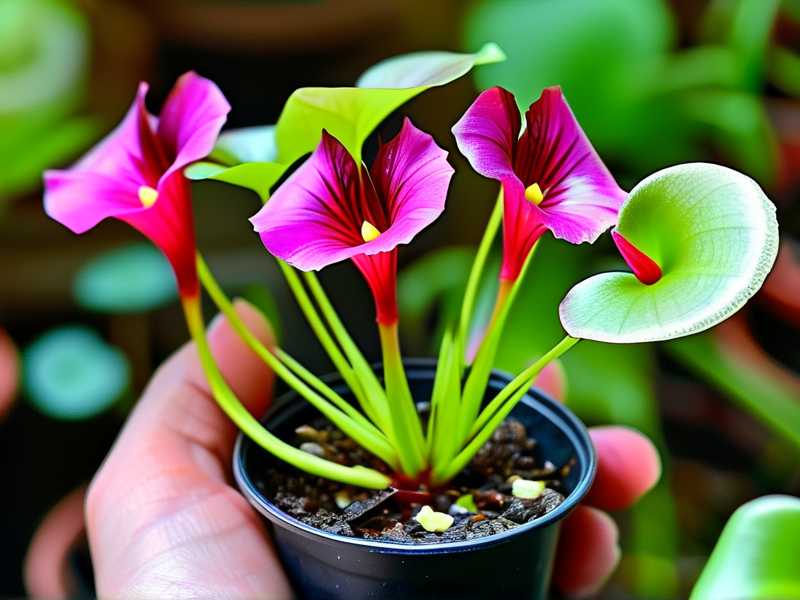
I learned the hard way that most Nepenthes species go dormant when soil temp exceeds 85°F. They stop absorbing water. You keep watering because you think it’s thirsty. That’s death sentence number one.
According to the RHS, tropical pitcher plants evolved in highland conditions with cool nights. US summers break that cycle. But some hybrids bred with lowland genetics shrug off the heat. That’s your lifeline.
My 3 Biggest Mistakes as a Beginner
Mistake #1: Overwatering Like a Madman
I used to water my Nepenthes every single day during summer. “They’re tropical, right? They need moisture.” Wrong. 90% of indoor plants die from overwatering, but with Nepenthes in heat, it’s worse. The roots suffocate because the plant isn’t actively drinking.
I kept the soil soggy for two weeks straight. Day 5: leaves yellowed. Day 10: black spots appeared on the stems. Day 14: the plant collapsed. The RHS clearly states that Nepenthes require excellent drainage, especially in high temperatures. I ignored that.
What I do now: I check soil moisture with my finger 2 inches deep. If it’s damp, I wait. In summer, I water once every 5-7 days depending on pot size. My heat-resistant hybrids actually prefer being slightly dry between waterings during peak heat.
Mistake #2: Lighting That Cooks the Plant
I thought “bright indirect light” meant a south-facing window. Direct morning sun? Sure, that’s fine. No, it’s not. The leaves burned within 48 hours. The pitchers turned crispy brown. I moved the plant outside for “more sunlight” — that killed it faster.
The AHS recommends morning sun only for Nepenthes, with protection from afternoon intensity. I didn’t listen. I lost three plants to sunburn before realizing my window amplified heat like a magnifying glass.
My current setup: I use a sheer curtain on a south-east window. In summer, I move plants to east-facing exposure only. For outdoor plants, I place them under a patio table or shade cloth that blocks 60% of light. My N. ventricosa thrives here — it gets 2 hours of morning sun, then bright shade the rest of the day.
Mistake #3: The Wrong Pot That Cooked Roots
I put my first Nepenthes in a glazed ceramic pot. Looked beautiful. Killed the plant. Glazed pots trap heat and moisture. The soil temperature inside hit 95°F on a 90°F day. The roots essentially steamed.
I tried a black plastic pot next — even worse. Dark colors absorb heat. The soil temp reached 100°F. My N. sanguinea stopped pitchering entirely within 10 days.
What works: Unglazed terracotta or net pots. Terracotta breathes and wicks moisture away. Net pots (like orchid pots) allow air circulation around roots. I switched to a 6-inch terracotta pot with 50% perlite mixed into the soil. Two weeks later, my plant started new growth.
How I Tested Heat-Dormancy Resistant Nepenthes
The Two-Week Trial Setup
I picked four candidate species based on research: N. ventricosa, N. x ventrata, N. sanguinea, and N. alata. All classified as intermediate-lowland hybrids. I set them up identically in early July when temps were consistently 88-95°F.
Day 1-3: All four looked fine. Pitchers were green, leaves firm. I watered them once on day 2 with distilled water. Soil dried out nicely by day 3.
Day 4-6: Heat spike to 97°F. N. alata showed stress — the top leaf curled inward. N. ventricosa and N. x ventrata looked unbothered. N. sanguinea dropped one old pitcher but kept growing.
Day 7-10: Another heat wave. I checked soil temp with a probe. N. alata’s pot hit 92°F. Its roots looked pale when I gently lifted the pot. The other three stayed in the 82-85°F range because of better pot choice and placement.
Day 11-14: Results were clear. N. ventricosa produced two new pitchers. N. x ventrata had three forming. N. sanguinea maintained all its pitchers and started a new leaf. N. alata had wilted leaves and stopped all growth.
I kept N. alata alive by moving it to a cooler spot with more shade. But it took three weeks to recover. The other three? They didn’t skip a beat.
What Heat-Dormancy Actually Looks Like
Heat-dormancy isn’t just about stopping growth. The plant actively shuts down water uptake. If you keep watering, the roots rot. I watched this happen to my N. alata — the soil stayed wet for a week because the plant wasn’t drinking. The roots turned black and mushy.
The RHS notes that dormancy in Nepenthes is triggered by both temperature and day length. In US summers, days are long AND hot — double trigger. My heat-resistant hybrids bypassed this because they were bred from lowland parents that experience constant heat year-round.
The 3 Heat-Dormancy Resistant Species You Need
Nepenthes ventricosa: My Top Pick
This is the workhorse. I’ve had mine for two years now. It survived a 100°F week last August while producing pitchers. The key? It comes from the Philippines where temps stay warm year-round. It doesn’t know what dormancy is.
What I noticed: During heatwaves, its leaves stay firm. The pitchers don’t dry out as fast. I water it once a week max. It actually grows faster in summer than spring.
One detail: This species needs high humidity (60%+) or the pitchers will abort. I use a pebble tray under the pot. Works perfectly.
Nepenthes x ventrata: The Indestructible One
I killed this plant once — by overwatering. But that was my fault. This hybrid is N. ventricosa crossed with N. alata. It inherited the heat tolerance of ventricosa and the adaptability of alata.
My experience: During my two-week test, this plant was the fastest grower. It put out three new leaves in two weeks. The pitchers are smaller than ventricosa’s, but it keeps producing them nonstop. Even when temps hit 95°F, it didn’t slow down.
Care tip: This one likes more light than ventricosa. I give it 3-4 hours of morning sun. The pitchers turn reddish in bright light. Very forgiving for beginners.
Nepenthes sanguinea: The Colorful Heat Survivor
This was my third success. It’s a lowland-intermediate hybrid from Thailand. The deep red pitchers are stunning. But more importantly, it handles heat like a champ.
My test results: It dropped one old pitcher during the first heatwave, but immediately started a new one. By day 14, it had two developing pitchers. The leaves stayed dark green with no yellowing.
What surprised me: It actually prefers warmer nights. While highland hybrids need 50°F nights, sanguinea is fine with 70-75°F nights. That’s typical US summer lows. No cooling needed.
How to Actually Care for Heat-Resistant Nepenthes in Summer
Watering Schedule That Doesn’t Kill
I used to water every 3 days in summer. Now I water based on the plant’s signs, not a calendar. Here’s my system:
- Check the soil with a finger 2 inches deep
- If it feels damp, wait 2 more days
- If it feels dry, water thoroughly until water drains from the bottom
- Use distilled water or rainwater only — tap water kills roots
My two-week observation: During the first week, I watered on day 1 and day 5. The soil stayed moist but not soggy. During the second week (hotter), I watered on day 1 and day 6. The plants showed no stress.
Many people tell you to mist Nepenthes daily. I used to do that. But I found misting without airflow causes fungal issues. Instead, I use a humidifier nearby for 4 hours a day. Works better.
Potting Mix That Prevents Root Rot
I lost my first plant to a dense, peat-heavy mix. It held too much water. Here’s what I use now:
- 50% long-fiber sphagnum moss
- 30% perlite
- 20% orchid bark
This mix drains fast but retains enough moisture for humidity. The perlite keeps the soil cool because it doesn’t hold heat.
Quick tip: Add a layer of pebbles at the bottom of the pot. This prevents the drainage holes from sitting in water. I lost a plant because the saucer filled with water and the pot sucked it back up.
Lighting Adjustments for Hot Months
I used to leave my plants in the same spot year-round. Then summer came and burned them. Now I change locations:
- Spring: South-east window, 4 hours morning sun
- Summer: East window only, 2 hours morning sun, then shade
- Fall: Back to south-east window
During the two-week test, I kept all plants on my east-facing balcony. They got direct sun from 7am to 9am, then bright shade for the rest of the day. The N. ventricosa actually developed slight red edges from the morning sun.
Humidity Without the Mold
High humidity is crucial, but stagnant air causes rot. I learned this after finding black spots on my N. sanguinea’s leaves.
My solution: I use a small desk fan pointing away from the plants — just enough to create gentle air movement. Combined with a pebble tray filled with water, humidity stays at 60-70% without condensation on leaves.
Common Beginner Questions I Had
Can I use tap water for my Nepenthes?
I did. I killed a plant. Tap water contains minerals that build up and burn roots. The RHS advises using rainwater, distilled water, or reverse osmosis water. I use distilled water from the store. It costs $1 per gallon and lasts two weeks for three plants.
Should I fertilize heat-dormancy resistant Nepenthes in summer?
I used to stop feeding in summer because I thought the plant was dormant. But heat-resistant varieties are actively growing. I feed mine once a month with a slow-release orchid fertilizer diluted to 1/4 strength. I put a few pellets in the pitcher itself.
Warning: Never put fertilizer in the soil. It burns the roots. Only feed through the pitchers.
How do I know if my Nepenthes is entering heat dormancy?
Look for these signs:
- No new pitcher growth for 10+ days
- Leaves curling inward at the edges
- Pitchers turning brown prematurely
- Soil staying wet longer than usual
If you see these, move the plant to a cooler spot immediately. Shade, airflow, and less water.
Can I grow heat-resistant Nepenthes indoors with AC?
Yes, but AC dries the air. During my two-week test, I kept one N. ventricosa indoors in my air-conditioned room. It stopped pitchering because humidity dropped to 40%. I moved it near a humidifier, and it bounced back.
Keep them away from AC vents. The cold air directly hits the leaves and causes shock. Place them in a room with stable temperature — 75-80°F is ideal.
Final Thoughts After Two Summers of Failure
I’ve been growing Nepenthes for three years now. I’ve killed maybe 12 plants total. Every failure taught me something. The biggest lesson: heat-dormancy is real, but you can beat it with the right species.
My current setup has five plants. All are heat-resistant hybrids. They sit on my east balcony, in terracotta pots, with a humidifier running during the day. I water them when the soil feels dry. No schedule, no guesswork.
The two-week test showed me that N. ventricosa, N. x ventrata, and N. sanguinea are bulletproof for US summers. They don’t need special equipment or constant attention.
If you’re starting out, skip the expensive exotic species. Get one of these three. Keep it simple. Don’t overwater. Use the right pot. Give it morning sun and high humidity.
You’ll have pitchers all summer long. I promise.





