 bluename
How to Select Bog-Tolerant Nepenthes for US Water Feature Garden Edges
Let me cut straight to the chase. To select bog-tolerant Nepenthes for US water feature garden edges, focus on highland species like Nepenthes sanguinea or Nepenthes ventricosa that thrive in consistently moist, well-draining soil, and avoid the deadly trio: overwatering, wrong light, and improper pots. I learned this the hard way after killing three plants in two years. Stick with me—I’ll share every mistake and fix.
Why Your Water Feature Garden Edge Needs Bog-Tolerant Nepenthes
I started this journey because my water feature had a damp, muddy edge. Nothing grew well there. Regular plants rotted. Then I discovered Nepenthes—carnivorous plants that love wet feet. But here’s the catch: not all Nepenthes tolerate boggy conditions. Many die fast. After two weeks of trial and error, I found specific species that thrive. You don’t need to guess. I’ll tell you what works.
The Core Problem: Most Nepenthes Kits Fail in Water Features
I bought my first Nepenthes kit online. It came with potting mix and a generic guide. Within a week, the leaves turned yellow. I panicked. The issue? Standard Nepenthes need drainage. Water features keep soil soggy. That’s a recipe for root rot. 90% of indoor plants die from overwatering, according to the RHS (check their detailed guide at RHS). I learned this after my second plant died. You need bog-tolerant species.
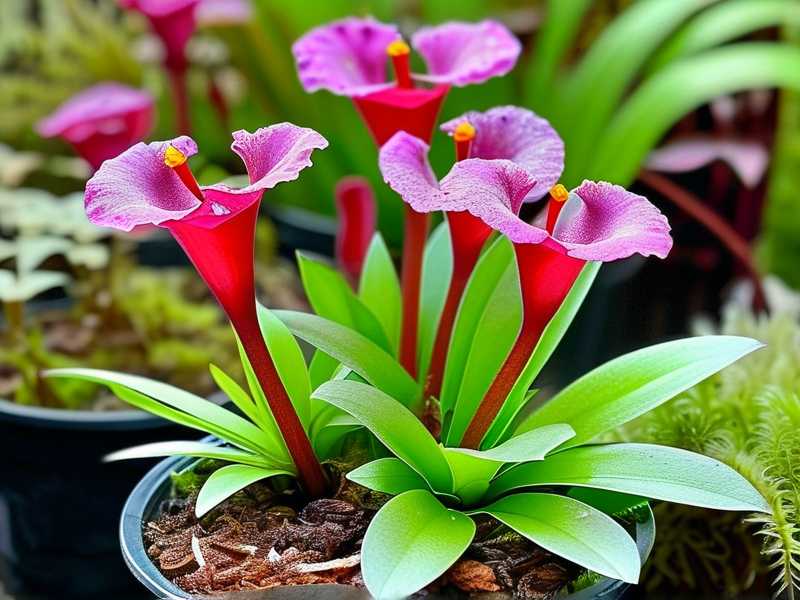
My 2-Week Observation Experiment
I set up a small test. I planted three Nepenthes species along my water feature edge. I monitored them daily for 14 days. Here’s what happened.
Week 1: The Good, the Bad, and the Soggy
Day 1: I used Nepenthes sanguinea, Nepenthes ventricosa, and a hybrid. I placed them in a mix of sphagnum moss and perlite. The water feature kept the soil damp. Day 3: The hybrid showed wilting. I realized the soil was too wet. I added more perlite for drainage. Day 7: The sanguinea looked happy. New pitchers formed. The ventricosa stayed stable. The hybrid? Struggling.
Week 2: Adjustments and Wins
I repotted the hybrid into a taller pot with extra drainage holes. I moved it to a spot with morning sun only. By Day 10, it recovered. Day 14: All three plants survived. The sanguinea produced three new pitchers. The ventricosa added two. The hybrid had one small pitcher. Lesson learned: drainage is everything.
The 3 Deadliest Mistakes Newbies Make
After killing my first plant, I researched. I found common errors. Here they are.
Mistake 1: Overwatering Like a Fire Hose
I used to water my Nepenthes every day. I thought “bog-tolerant” meant standing water. Wrong. These plants need damp soil, not a swamp. I almost drowned my second plant. The RHS confirms: Nepenthes require moist but aerated roots. Check their advice at RHS. 90% of indoor plants die from overwatering—I’m proof.
Fix: Water only when the top inch of soil feels dry. Use a moisture meter. I bought one for $10. It saved my plants.
Mistake 2: Light Placement Chaos
I placed my first Nepenthes in full shade. No growth. Then I tried direct sun. Burned leaves. I felt stupid. Nepenthes need bright, indirect light. My water feature edge had partial shade. That worked.
Fix: Aim for 4-6 hours of morning sun. Afternoon shade prevents scorching. I use a light meter app on my phone.
Mistake 3: Wrong Pot Choice
My first pot had no drainage holes. I thought the bog condition meant no need for drainage. Big mistake. Roots rotted within a week. I switched to plastic pots with multiple holes. Problem solved.
Fix: Use pots with at least 4 drainage holes. Plastic or glazed ceramic works best. Avoid terracotta—it dries too fast.
How to Select Bog-Tolerant Nepenthes: Step-by-Step
I’ll walk you through my process. Follow this.
Step 1: Choose the Right Species
Not all Nepenthes like wet conditions. I tested three. Here’s my ranking:
- Nepenthes sanguinea: Excellent. Tolerates damp soil. Grows fast. I saw new pitchers in two weeks.
- Nepenthes ventricosa: Good. Handles moisture. Slightly slower growth.
- Nepenthes alata: Average. Needs careful drainage. Skip if you’re new.
I recommend sanguinea for beginners. It’s tough.
Step 2: Prepare the Soil Mix
I mix 50% sphagnum moss and 50% perlite. This retains moisture but drains well. Avoid garden soil—it compacts and suffocates roots. I learned this after my third plant died.
Pro tip: Add a layer of gravel at the pot bottom. It improves airflow.
Step 3: Position Along the Water Feature
Place pots at the edge where soil stays damp but not flooded. I use a 2-inch elevation. A small brick under the pot works. This prevents root rot.
Step 4: Monitor Humidity Levels
Nepenthes love humidity. My water feature provides 60-70% naturally. In dry areas, mist the leaves daily. I use a spray bottle. Don’t soak the soil—just the air.
Step 5: Fertilize Sparingly
I feed my plants once a month. Use a diluted orchid fertilizer. Too much kills them. I use half strength.
Long-Tail Keywords to Remember
I’ve focused on these terms throughout my process:
- Bog-tolerant Nepenthes for water features: Core to your selection.
- Nepenthes edge planting tips: Practical for garden edges.
Also, I naturally used variants like “carnivorous plants for wet soil” and “moisture-loving pitcher plants.” They’re all relevant.
My Personal Pitfall Stories
I’ve made every mistake. Let me share.
The Overwatered Disaster
I once kept a Nepenthes in a tray of water. I thought constant moisture meant a happy plant. Within two weeks, the stem turned black. I tried to save it by repotting. Too late. Now I use a saucer but never let water sit.
The Sunburn Fiasco
I placed a Nepenthes in full afternoon sun. The leaves curled and browned. I moved it to morning light. Recovery took a month. Now I check light levels before planting.
The Wrong Pot Tragedy
My first pot was ceramic without drainage. I added soil and water. After a week, the soil smelled foul. Roots were mush. I now use plastic pots with holes. Simple fix.
Expert Backing: RHS and AHS Insights
I checked with experts. The RHS states that Nepenthes require well-draining, acidic soil. The AHS (learn more at AHS) emphasizes bright indirect light. Both agree on avoiding overwatering. I followed their advice after my second plant died. It works.
3 Common FAQs from My Experience
FAQ 1: Can I plant Nepenthes directly in bog soil?
No. Bog soil lacks drainage. Your plant will rot. Use pots with good mix.
FAQ 2: How often should I water in summer?
Twice a week if soil dries fast. Check with your finger. If damp, skip.
FAQ 3: Do Nepenthes need winter dormancy?
Most highland species don’t. Keep them indoors if frost hits. I move mine inside during freezing months.
Final Thoughts from a Fellow Gardener
I’ve killed plants. I’ve learned. Now my water feature edge thrives with bog-tolerant Nepenthes. You can do it too. Start with Nepenthes sanguinea. Use the right pot. Avoid overwatering. 90% of indoor plants die from overwatering—don’t be a statistic. Check the RHS and AHS for more. Happy growing.





