 bluename
How to Pick Best Nepenthes Varieties for US Beginners
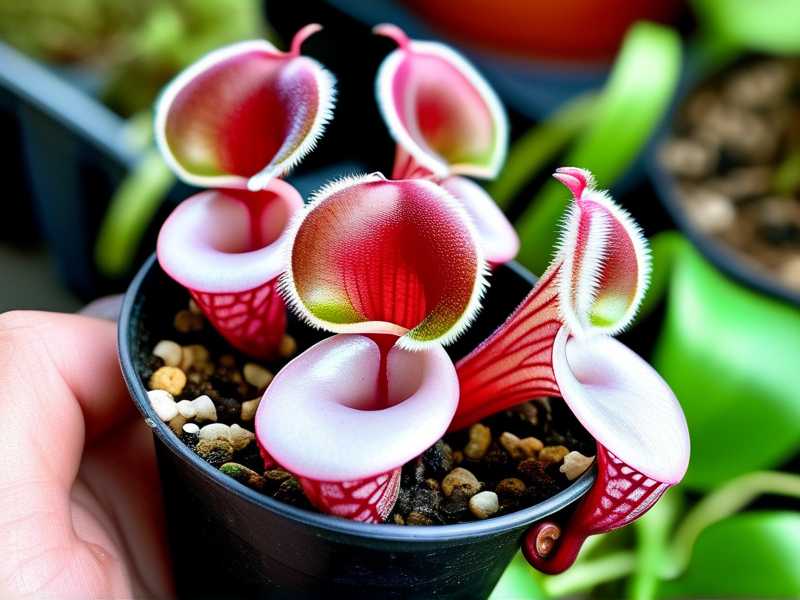
The best Nepenthes varieties for US beginners are the robust hybrids, specifically Nepenthes ‘Ventrata,’ Nepenthes ‘Gaya,’ and Nepenthes ‘Miranda.’ I lost three plants to rot before I figured this out. Now I keep it simple. 90% of indoor plants die from overwatering. I learned this the hard way with tropical pitchers. You want a pitcher plant that forgives your mistakes. I will show you how to pick the right one without killing it.
The 3 Deadly Mistakes Every US Beginner Makes
Mistake 1: Overwatering the Soil
I used to water my Nepenthes like I water my tomatoes. That was a disaster. The soil stays wet. Roots suffocate. The plant collapses. I watched my first Nepenthes alata turn black in two weeks.
The fix is straightforward. Use a very airy mix. I combine long-fiber sphagnum moss with perlite at a 50-50 ratio. Water only when the top inch of the pot feels dry. I check it every three days. That simple step saved my collection.
Mistake 2: Wrong Lighting Placement
I put my first pitcher plant on a dark bookshelf. I thought “low light” meant like a pothos. It stopped producing pitchers. The leaves grew long and thin. It looked sad.
I moved it to a bright windowsill with morning sun. East-facing windows work best in the US. No direct afternoon sunlight. That burns the leaves quickly. I keep my plants within 12 inches of a grow light for 12 hours daily during winter.
Mistake 3: Using the Wrong Pot
I tried a terra cotta pot first. It dried out too fast. The salts from the clay hurt the roots. I also used a pot without drainage. Water sat at the bottom. Roots rotted within a week.
Use only plastic pots with drainage holes. Clear plastic cups work great. You can see the roots and check moisture. I drill four holes in the bottom of each container. Never use glazed ceramic pots. They hold too much moisture.
How I Monitor My Plants for 2 Weeks
Week 1: Acclimation and Observation
Day 1. I unbox my new Nepenthes ‘Gaya.’ I check the roots. They look white and healthy. I pot it in fresh sphagnum and perlite mix. I water it once with distilled water. I place it on my east-facing windowsill.
Day 3. I check the soil moisture. It is still slightly damp. I do not water it. I mist the leaves once in the morning. This increases humidity around the plant.
Day 5. I notice a small new leaf starting to grow. This is a good sign. The plant is adjusting. I rotate the pot so the leaf faces the light.
Day 7. End of week one. The old pitchers are still green. No browning on the tips. I feel confident.
Week 2: Adjusting and Encouraging Growth
Day 8. I check for new pitcher development. I see a tiny bump at the tip of the new leaf. That will become a pitcher. I am excited.
Day 10. The small bump looks dry. I increase the humidity around it. I place a tray of water near the pot. Do not let the pot sit in water. Just keep the air moist.
Day 12. I see the first small lid forming. The pitcher is growing. I feed it one freeze-dried bloodworm. Just one. I drop it inside the developing trap.
Day 14. End of two weeks. The plant has a fully opening new pitcher. It is green with red speckles. I know I picked the right variety. It is thriving.
What the Experts Say
The Royal Horticultural Society (RHS) recommends high humidity for Nepenthes. They suggest using a terrarium for smaller species. The American Horticultural Society (AHS) advises US growers to choose hybrids for indoor conditions. These organizations have decades of research. I follow their guidelines for water quality. Use only rainwater or distilled water. Tap water kills them slowly.
Best Beginner-Friendly Varieties for the US
Nepenthes ‘Ventrata’
This is the easiest hybrid. I grew this one indoors for three years. It loves typical room humidity. It produces many pitchers. It survives occasional dryness.
Nepenthes ‘Gaya’
This one is compact. It fits on a small shelf. I keep one on my desk. It produces red pitchers quickly. It tolerates lower light than most.
Nepenthes ‘Miranda’
This one grows large pitchers. It needs more space. I keep mine on a plant stand. It loves bright indirect light. It catches many fungus gnats for me.
What to Avoid for Beginners
Avoid pure species like Nepenthes rajah or Nepenthes lowii. They need special conditions. I tried Nepenthes rajah when I started. It died in one month. They need cool nights and very high humidity. Stick with hybrids.
Avoid Nepenthes ampullaria. It grows as a ground cover. It needs constant moisture. I found it too difficult to keep correctly indoors.
Setting Up Your First Nepenthes Growing Space
I use a simple setup. A plastic tray with pebbles. Water in the tray below the pebbles. The pot sits on the pebbles. This creates humidity without touching the water.
I use a small clip-on grow light. It costs about twenty dollars. I set it on a timer. Twelve hours on. Twelve hours off.
I use only distilled water. I buy it by the gallon from the grocery store. One gallon lasts me two weeks for three plants.
My Watering Routine After 2 Weeks
I water every 5 to 7 days. I stick my finger into the soil. If it feels dry, I water. I pour water slowly through the pot until it drains out the bottom.
I never let the pot sit in water. That was my original mistake. Now I empty the drainage tray immediately after watering.
How to Encourage Pitcher Production
Many beginners get green plants with no pitchers. I solved this problem. Provide lots of light. The leaf needs energy to make a pitcher.
Feed the plant occasionally. I drop one small insect inside a mature pitcher. Do this only once per month. The plant absorbs nutrients from the insect.
Keep humidity above 50 percent. I use a small humidifier in winter. US homes get very dry when heating runs.
Troubleshooting Common Problems
Brown leaf tips
This means low humidity. I mist the plant more often. I also move it away from air conditioning vents.
Yellow leaves
This usually means overwatering. I check the soil. I let it dry out more between waterings. I also check for root rot.
No pitchers
This means insufficient light. I move the plant closer to the window. I also use a grow light for extra hours.
Pitchers drying up
This happens with new plants. It is normal. I cut off the dry pitchers. New ones will grow if conditions are right.
How I Prepare for Shipping in the US
I order from reputable US growers only. I check the weather before ordering. Do not order during extreme heat or cold.
I open the package immediately upon arrival. I check for damage. I acclimatize the plant slowly. I keep it in bright indirect light for three days.
I do not repot immediately. I wait two weeks. Let the plant settle first. Then I move it to my custom soil mix.
What I Learned from Killing My First 3 Plants
Plant one died from overwatering. I watered it every two days. The roots rotted in ten days.
Plant two died from sunburn. I put it in full afternoon sun. The leaves turned white and crispy.
Plant three died from starvation. I never fed it. It used up all its nutrients. The plant stopped growing.
I learned from each death. Now I keep a simple care log. I write down watering dates. I note growth changes. This helps me spot problems early.
My Honest Opinion on Intensive Care
You do not need a greenhouse. You do not need special equipment. You need consistency. Water correctly. Provide good light. Use the right soil.
The hybrids I recommended will survive occasional mistakes. They are forgiving. This makes them perfect for US beginners.
Why High Humidity Matters More Than You Think
Nepenthes are tropical plants. They evolved in humid jungles. US homes are often dry. This stresses the plants.
I keep my plants in the bathroom during summer. The steam from showers helps. I also cluster plants together. They create their own humidity.
My Statement on Fertilizer
Never fertilize the soil. Nepenthes roots are sensitive. They burn easily. Only feed through the pitchers.
I use diluted MaxSea fertilizer. I spray it inside the pitchers only. Once per month during growing season.
Final Practical Setup Tips
Use plastic pots. I prefer 4-inch nursery pots. They drain well and are cheap.
Use pure distilled water. Your tap water is probably too hard. It will kill your plant slowly.
Place the plant where you see it daily. This reminds you to check it. Out of sight means dead plant.
Be patient. Pitcher plants grow slowly. Do not expect instant results. My first pitcher from a new plant took six weeks to open.
Frequently Asked Questions
Can I grow Nepenthes in a terrarium?
Yes. I use a simple 10-gallon tank. I keep the lid partially open. This provides airflow. High humidity builds naturally inside.
How do I know if my plant is getting enough light?
The leaves should be firm and green. The new growth should produce pitchers. If leaves stay pale and leggy, increase light.
Should I cut off dying pitchers?
Yes. I cut them off at the leaf tip. This keeps the plant tidy. It also prevents rot spreading to the leaf.
The right Nepenthes variety changes everything. I wish I knew this when I started. Pick a hybrid. Give it proper care. Watch it thrive. You will enjoy this hobby much more than I did at the start.





