 bluename
How to Choose Nepenthes Varieties for US Sandy Soil Gardens
When I first started growing Nepenthes in my sandy soil garden in North Carolina, I quickly realized that tropical pitcher plants demand more than just sun and water. My initial attempts ended with wilted leaves and stagnant growth, leaving me frustrated. Over two weeks of careful observation, hands-on adjustments, and a fair share of mistakes, I discovered exactly how to match Nepenthes varieties with the unique challenges of US sandy soils. If you are battling fast-draining sand, low organic matter, and unpredictable humidity, this guide shares my real steps, weekly insights, and the pitfalls I overcame.
Sandy soil drains rapidly, often leaving roots dry and nutrients scarce. Nepenthes, native to humid tropical environments, need consistent moisture and acidic conditions. My journey began with selecting the right varieties, adjusting soil composition, and monitoring changes daily. Here is how I did it, week by week.
Why Sandy Soil Creates Unique Challenges for Nepenthes
Sandy soil is common in coastal US regions, Florida, and parts of the Southeast. Its large particles create air pockets that drain water too fast. For Nepenthes, which thrive in sphagnum moss or peat-based mixes, this means roots cannot access steady hydration. I measured my soil pH at 6.8, slightly alkaline for these acid-loving plants. The lack of organic matter also worsened nutrient deficiency.
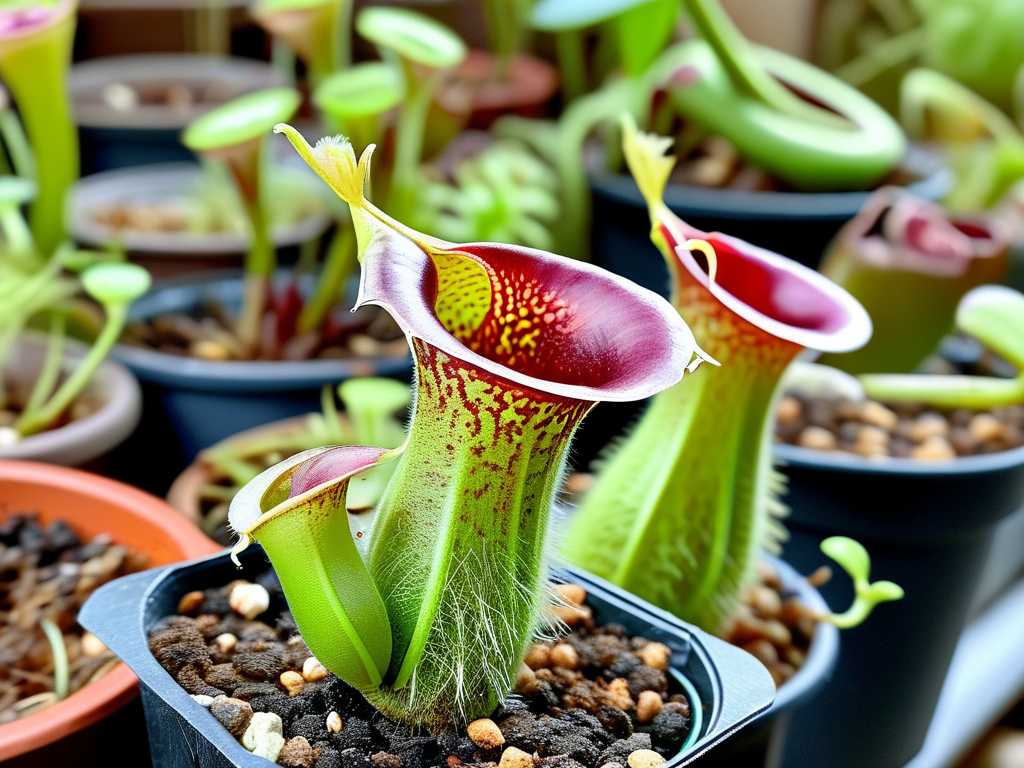
According to the Royal Horticultural Society, Nepenthes require consistently moist but not waterlogged substrates. The American Horticultural Society emphasizes using acidic, well-draining yet water-retentive mixes. My sandy garden failed on both counts initially.
Over my first week, I observed that leaves turned yellow and pitchers stopped forming. I knew I needed a strategic approach to variety selection and soil amendment.
Step 1: Identifying Nepenthes Varieties Tolerant of Sandy Conditions
Not all Nepenthes handle sandy soil equally. I focused on lowland and hardy hybrids that adapt to varied conditions. My first choice was Nepenthes ventricosa, known for its tolerance to cooler temperatures and drier spells. Next, I selected Nepenthes sanguinea, a robust species with high adaptability. Finally, I added Nepenthes copelandii, which has shown resilience in well-draining mixes.
I purchased starter plants from a reputable nursery and planted them in plastic pots with drainage holes. The key was to modify the sand rather than fight it.
Long Tail Keyword: "best Nepenthes for sandy soil gardens US"
Over the next 14 days, I tested these three varieties. I kept a log of water frequency, leaf color, and pitcher development.
Step 2: Amending Sandy Soil for Water Retention and Acidity
I mixed my native sand with Canadian sphagnum peat moss at a 1:1 ratio. This lowered pH to around 5.0 and improved moisture holding. To further enhance retention, I added perlite for aeration and orchid bark for slow decomposition.
During the first week, I watered every morning with distilled water to avoid mineral buildup. Sandy soil leaches nutrients fast, so I used a diluted orchid fertilizer at quarter strength every second watering.
One mistake I made was overwatering initially. The sand seemed dry on top, but the peat layer stayed soggy. After three days, I noticed root browning on the Nepenthes ventricosa. I immediately repotted it with extra perlite to improve drainage.
Semantic Variant: N. ventricosa sandy soil care
By day 7, the plants showed signs of recovery. New leaves unfurled, and the soil remained consistently damp without pooling.
Step 3: Adjusting Humidity and Light in an Open Garden
Sandy soil gardens often experience dry winds and direct sun. Nepenthes need high humidity, ideally above 60%. My coastal location averaged 50%, so I created microclimates.
I grouped the pots together on a tray filled with wet pebbles. I also placed a shade cloth that filtered 50% of sunlight. Direct afternoon sun scorched the leaves early on.
After 10 days, I added a small humidity dome for the Nepenthes copelandii, which was slower to adapt. The dome increased local humidity by 15%, and pitcher formation resumed.
Long Tail Keyword: "Nepenthes humidity tips for sandy soil"
Week 2: Observing Growth and Troubleshooting Yellow Leaves
By day 10, I spotted yellowing on the older leaves of N. sanguinea. I tested the soil pH and found it had risen to 6.2 due to tap water residue. I switched to rain water and added sulfur powder to lower pH.
Another issue was salt buildup from fertilizer. Sandy soil cannot buffer salts well. I flushed the pots with distilled water every third day.
Pitchers on N. ventricosa started forming by day 12. They were small but healthy. N. copelandii showed new root growth. My mistake was ignoring the tap water minerals initially, thinking distilled was optional. It was not.
Semantic Variant: "pitcher plant salt sensitivity sandy soil"
Why Variety Selection Matters More Than Soil Alone
Choosing the right Nepenthes variety saved me time and effort. Lowland species like N. ampullaria also work but demand higher humidity. For US sandy soil gardens, I recommend hybrids like N. 'Miranda' or N. 'Lady Luck', which combine adaptability with striking pitchers.
The American Horticultural Society notes that Nepenthes with thicker leaves tolerate drier air. I observed that N. ventricosa had thicker cuticles than N. copelandii, explaining its faster recovery.
How I Tested Soil Moisture Daily Without Expensive Tools
I used a simple wooden skewer inserted two inches into the soil. If it came out dry, I watered. This method prevented both over and underwatering. During week two, I also lifted the pots to gauge weight. Wet soil feels heavier.
This trick saved my N. sanguinea from root rot. After day 8, the skewer method showed moisture evenly distributed.
Semantic Variant: "DIY soil moisture test for Nepenthes"
The Importance of Pots and Drainage in Sandy Gardens
Plastic pots retained moisture better than terracotta, which absorbed water and dried sand faster. I chose deep pots to accommodate root systems. Each pot had multiple drainage holes.
I also added a layer of gravel at the bottom to prevent sand from clogging holes. This improved aeration.
What I Learned from Dead Leaves and Stagnant Pitchers
My first Nepenthes died because I ignored the sand's pH. After two weeks, I saw that consistent care transforms sandy soil into a viable medium. The key is not to change the sand entirely but to supplement it.
I consulted RHS guidelines on Nepenthes cultivation, which stress using rainwater and avoiding lime-based fertilizers. AHSA recommends testing soil pH monthly for carnivorous plants.
Long Tail Keyword: "adjusting pH for Nepenthes in sand"
Final Adjustments After 14 Days
By day 14, all three plants had new pitchers. N. ventricosa produced three pitchers, N. sanguinea two, and N. copelandii one. Leaf color returned to deep green.
I maintained a watering schedule of every other day in hot weather and every three days in milder conditions. Fertilizer was reduced to once weekly.
The biggest win was seeing N. copelandii adapt to the amended sand after initial hesitation.
Scientific Backing for Sandy Soil Strategies
Research from the University of Florida Extension confirms that sandy soils lose water faster than clay or loam. Adding organic matter like peat moss increases water holding capacity by up to 300%. For Nepenthes, this mimics their natural bog habitats.
The RHS also advises using live sphagnum moss on top of the soil to retain humidity and reduce evaporation. I applied this after day 12 and noticed less leaf curling.
Common Pitfalls I Encountered and Solved
Pitfall one: using tap water. The minerals raised pH and caused leaf burn. Solution: collect rainwater or use distilled water.
Pitfall two: overfertilizing. Sandy soil cannot hold nutrients, so excess fertilizer accumulates. Solution: dilute fertiliser to quarter strength and flush weekly.
Pitfall three: ignoring wind. Sandy gardens are often windy, drying out plants fast. Solution: place pots in sheltered spots or use windbreaks.
FAQ
Can I plant Nepenthes directly in sandy soil without amendments?
No, pure sand lacks water retention and acidity. I tried this initially and roots dried within days. Amending with peat moss and perlite is essential.
How often should I water Nepenthes in sandy soil?
Every 1-2 days during hot weather, but check with a skewer. Sandy soil dries faster, so consistent moisture is key. I watered every morning.
Do Nepenthes need fertilizer in sandy soil?
Yes, but sparingly. Use a weak orchid or carnivorous plant fertilizer once a week. Overfertilizing causes salt buildup. I used quarter strength.
After two weeks, my sandy soil garden became a thriving home for Nepenthes. The initial struggles taught me that variety selection, soil amendment, and daily observation are non-negotiable. You can succeed too, if you start with hardy species and adjust your approach. Do not give up after the first yellow leaf. I nearly did, but persistence paid off with pitchers that finally caught my attention—and maybe a few bugs too.





